ثبت نام / ورود
0
ثبت نام / ورود
0
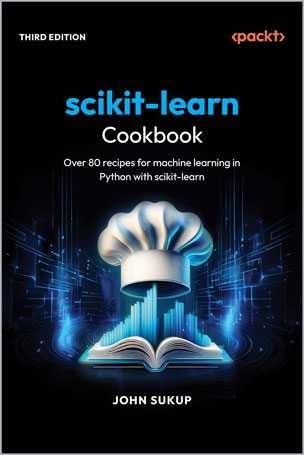
Over 80 recipes for machine learning in Python with scikit-learn
John Sukup
#Scikit-learn
#Python
#Machine_learning
#ML
#API
#NumPy
#sciPy
🛠 با محبوبترین کتابخانه پایتون در یادگیری ماشین به صورت عملی کار کن؛ این کتاب بیش از ۸۰ دستورالعمل کاربردی داره که هم توابع اصلی و هم پیشرفته رو پوشش میده.
ویژگیهای کلیدی
توضیحات کتاب
📘 کتابخانه scikit-learn که مورد اعتماد متخصصان علم داده، مهندسان یادگیری ماشین و توسعهدهندگان نرمافزار هست، یک فریمورک منعطف و کاربرپسند برای پیادهسازی طیف وسیعی از الگوریتمهای ML ارائه میده که توسعه و دیپلوی کردن (Deploy) مدلهای پیشبینی رو در برنامههای واقعی راحت میکنه. ویرایش سوم کتاب "scikit-learn Cookbook" بهت کمک میکنه با مثالهای واقعی و ویژگیهای نسخه 1.5 سایکیت-لرن، روی یادگیری ماشین مسلط بشی.
🚀 این نسخه بهروزرسانی شده، تو رو به یک سفر یادگیری میبره؛ از درک مبانی ML و پیشپردازش دادهها گرفته تا پیادهسازی الگوریتمهای پیشرفته و دیپلوی کردن و بهینهسازی مدلها در محیط پروداکشن. در طول مسیر، دستورالعملهای گامبهگام و کاربردی رو بررسی میکنی که همه چیز رو از مهندسی ویژگیها (Feature Engineering) و انتخاب مدل تا تنظیم هایپرپارامترها و ارزیابی مدل پوشش میده.
🎯 تا پایان این کتاب، دانش و مهارت لازم رو به دست میاری تا با اعتماد به نفس مدلهای پیچیده ML رو با استفاده از scikit-learn بسازی، ارزیابی کنی و دیپلوی کنی تا آماده حل چالشهای مختلف دادهمحور باشی.
آنچه یاد خواهید گرفت
این کتاب برای چه کسانی مناسب است
👥 این کتاب برای متخصصان علم داده و همچنین حرفهایهای یادگیری ماشین و توسعه نرمافزار مناسبه که میخوان درک خودشون رو از تکنیکهای پیشرفته ML عمیقتر کنن. برای اینکه بیشترین بهره رو از این کتاب ببری، باید به برنامهنویسی پایتون و کتابخانههای پرکاربرد ML مثل pandas، NumPy، matplotlib و sciPy مسلط باشی. درک مفاهیم پایه ML مثل رگرسیون خطی، درختهای تصمیم و معیارهای ارزیابی مدل خیلی کمککننده است. همچنین آشنایی با مفاهیم ریاضی مثل جبر خطی، حساب دیفرانسیل و انتگرال و احتمالات هم بسیار ارزشمنده.
📑 فهرست مطالب
درباره نویسنده
👨💻 جان سوکاپ (John Sukup) یک متخصص داده با ۱۷ سال سابقه است. تجربه کاری او حوزههای مختلفی از تحقیقات بازار مصرفکننده تا علم داده و هوش مصنوعی رو شامل میشه. او بیش از یک دهه تجربه به عنوان مهندس و مشاور ابری AI/ML در سازمانهای بینالمللی متعددی از جمله Levi Strauss، سیسکو، Anaconda و Ipsos داره. او به عنوان مدرس حرفهای ارشد برای سازمانهای لیست Fortune 100 فعالیت کرده و در فوربس، اوراکل و Data Science Central هم بهش اشاره شده. جان در حال حاضر مدیرعامل و بنیانگذار Expected X (یک شرکت طراحی و مشاوره راهکارهای هوش مصنوعی) هست و پادکست Unriveted رو هم همراه با همکارش، مارتین میلر، میزبانی میکنه.
Get hands-on with the most widely used Python library in machine learning with over 80 practical recipes that cover core as well as advanced functions
Trusted by data scientists, ML engineers, and software developers alike, scikit-learn offers a versatile, user-friendly framework for implementing a wide range of ML algorithms, enabling the efficient development and deployment of predictive models in real-world applications. This third edition of scikit-learn Cookbook will help you master ML with real-world examples and scikit-learn 1.5 features.
This updated edition takes you on a journey from understanding the fundamentals of ML and data preprocessing, through implementing advanced algorithms and techniques, to deploying and optimizing ML models in production. Along the way, you’ll explore practical, step-by-step recipes that cover everything from feature engineering and model selection to hyperparameter tuning and model evaluation, all using scikit-learn.
By the end of this book, you’ll have gained the knowledge and skills needed to confidently build, evaluate, and deploy sophisticated ML models using scikit-learn, ready to tackle a wide range of data-driven challenges.
This book is for data scientists as well as machine learning and software development professionals looking to deepen their understanding of advanced ML techniques. To get the most out of this book, you should have proficiency in Python programming and familiarity with commonly used ML libraries; e.g., pandas, NumPy, matplotlib, and sciPy. An understanding of basic ML concepts, such as linear regression, decision trees, and model evaluation metrics will be helpful. Familiarity with mathematical concepts such as linear algebra, calculus, and probability will also be invaluable.
Chapter 1: Common Conventions and API Elements of scikit-learn
Chapter 2: Pre-Model Workflow and Data Preprocessing
Chapter 3: Dimensionality Reduction Techniques
Chapter 4: Building Models with Distance Metrics and Nearest Neighbors
Chapter 5: Linear Models and Regularization
Chapter 6: Advanced Logistic Regression and Extensions
Chapter 7: Support Vector Machines and Kernel Methods
Chapter 8: Tree-Based Algorithms and Ensemble Methods
Chapter 9: Text Processing and Multiclass Classification
Chapter 10: Clustering Techniques
Chapter 11: Novelty and Outlier Detection
Chapter 12: Cross-Validation and Model Evaluation Techniques
Chapter 13: Deploying scikit-learn Models in Production
Chapter 14: Unlock Your Exclusive Benefits
About the Author
John Sukup is a seventeen-year data professional. His experience working with data spans from consumer market research to data science to ML and AI. He has over a decade of experience as an AI/ML cloud engineer and consultant at multiple international organizations including Levi Strauss, Cisco, Anaconda, and Ipsos. He has acted as the lead professional trainer for Fortune 100 organizations and has been featured in Forbes, Oracle, and Data Science Central. He currently acts as Managing Director and Founder at Expected X, an AI Solution Design and Consultancy as well as cohost of the Unriveted Podcast with his colleague Martin Miller.