ثبت نام / ورود
0
ثبت نام / ورود
0
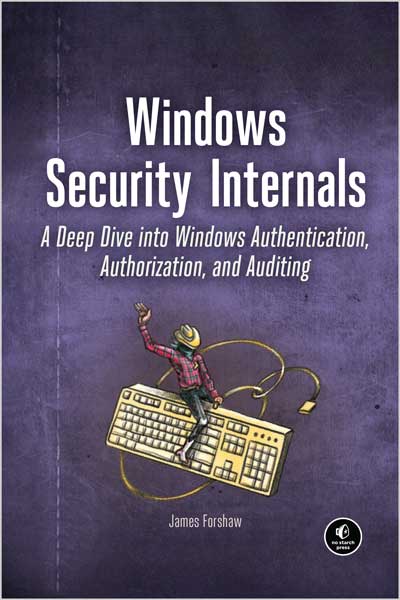
A Deep Dive into Windows Authentication, Authorization, and Auditing
James Forshaw
#Windows
#Security
#Windows
#Devops
#SAM
#NTLM
#SRM
#operating_system
#Powershell
🧠 این کتاب یک منبع عمیق و تخصصی برای درک low-level implementationهای امنیت در سیستمعامل ویندوزه؛ با تمرکز روی اینکه واقعاً مکانیزمهای امنیتی ویندوز چطور کار میکنن، نه صرفاً توضیحات سطحی یا مستندات رسمی. این اثر با مثالهای عملی و اسکریپتهای PowerShell طراحی شده تا بتونی رفتار سیستم رو واقعاً تست و دستکاری کنی.
⚙️ نویسنده، James Forshaw (از محققان مشهور تیم Google Project Zero)، مفاهیم امنیتی ویندوز رو از پایه تا سطح پیشرفته باز میکنه؛ از کرنل و user-mode گرفته تا ساختارهای پیچیده authentication و policy enforcement. این کتاب برای توسعهدهندهها، DevOpsها و محققهای امنیتی طراحی شده که میخوان واقعاً بفهمن پشت صحنه ویندوز چه اتفاقی میافته.
🔍 رویکرد کتاب کاملاً hands-on هست؛ یعنی با اسکریپتهای PowerShell میتونی مفاهیم امنیتی رو آزمایش کنی، مثل ساخت و تحلیل security descriptorها، بررسی access control و بازسازی فرآیند تصمیمگیری سیستم در اعطای دسترسی.
🧩 همچنین وارد لایههای مهمتری از سیستم امنیتی ویندوز میشی؛ مثل Security Reference Monitor (SRM)، Security Account Manager (SAM)، Active Directory و پروتکلهای احراز هویت شبکه مثل NTLM و Kerberos.
🧰 در این مسیر یاد میگیری:
🧠 معماری امنیتی ویندوز در سطح kernel و user-mode
🔐 نحوه کار Security Reference Monitor (SRM)، access tokens و security descriptors
📄 بررسی و تغییر security descriptorها و فرآیند access check
🧾 سیستم auditing و ثبت رویدادهای امنیتی
👤 سازوکار authentication در ویندوز و Active Directory
🌐 احراز هویت شبکه با NTLM و Kerberos
🧪 ساخت محیط تست Domain برای شبیهسازی سناریوهای واقعی
🏗️ کتاب همچنین یک محیط آزمایش (testing domain network) طراحی میکنه تا بتونی همه مفاهیم رو در یک سناریوی واقعی پیادهسازی کنی.
📚 فهرست مطالب
📖 بخش اول: مروری بر سیستمعامل ویندوز
1. راهاندازی محیط تست PowerShell
2. کرنل ویندوز
3. اپلیکیشنهای User-Mode
🔐 بخش دوم: Windows Security Reference Monitor
4. Security Access Tokens
5. Security Descriptors
6. خواندن و تخصیص Security Descriptors
7. فرآیند Access Check
8. سایر کاربردهای Access Control
9. Security Auditing
🧩 بخش سوم: Local Security Authority و احراز هویت
10. Windows Authentication
11. Active Directory
12. Interactive Authentication
13. Network Authentication
14. Kerberos
15. Negotiate Authentication و سایر Security Packageها
🧪 پیوستها
A. ساخت شبکه دامنه ویندوز برای تست
B. SDDL: نگاشت SID Alias
📝 نقد و بررسی
💬 «این کتاب باید روی میز هر متخصص امنیت و توسعهدهندهای باشد که با امنیت ویندوز کار میکند.»
— Jeffrey Snover
💬 «درک جیمز فورشاو از امنیت ویندوز در سطحی است که حتی با تیمهای امنیتی مایکروسافت قابل مقایسه است. این کتاب هم برای مبتدیها قابل فهم است و هم برای متخصصها عمیق و آموزشی.»
— Steve Syfuhs
💬 «یک منبع فوقالعاده برای هر کسی که میخواهد جزئیات undocumented امنیت ویندوز را بفهمد. توضیحات دقیق، شفاف و بسیار ارزشمند.»
— Miriam C. Wiesner
👨💻 درباره نویسنده
👨💻 James Forshaw یک متخصص امنیت شناختهشده در تیم Google Project Zero است. او بیش از ۲۰ سال تجربه در تحلیل و exploit کردن آسیبپذیریهای ویندوز و سایر سیستمها دارد و صدها آسیبپذیری public در محصولات مایکروسافت کشف کرده است. تحقیقات او در سطح جهانی مورد استناد قرار میگیرد و علاوه بر پژوهشهای تهاجمی، در حوزه دفاعی نیز روی طراحی امن سیستمها و بهبود sandbox ویندوز کرومیوم فعالیت دارد.
Power up your Windows security skills with expert guidance, in-depth technical insights, and dozens of real-world vulnerability examples from Google Project Zero’s most renowned researcher!
Learn core components of the system in greater depth than ever before, and gain hands-on experience probing advanced Microsoft security systems with the added benefit of PowerShell scripts.
Windows Security Internals is a must-have for anyone needing to understand the Windows operating system’s low-level implementations, whether to discover new vulnerabilities or protect against known ones. Developers, devops, and security researchers will all find unparalleled insight into the operating system’s key elements and weaknesses, surpassing even Microsoft’s official documentation.
Author James Forshaw teaches through meticulously crafted PowerShell examples that can be experimented with and modified, covering everything from basic resource security analysis to advanced techniques like using network authentication. The examples will help you actively test and manipulate system behaviors, learn how Windows secures files and the registry, re-create from scratch how the system grants access to a resource, learn how Windows implements authentication both locally and over a network, and much more.
You’ll also explore a wide range of topics, such as:
In an era of sophisticated cyberattacks on Windows networks, mastering the operating system’s complex security mechanisms is more crucial than ever. Whether you’re defending against the latest cyber threats or delving into the intricacies of Windows security architecture, you’ll find Windows Security Internals indispensable in your efforts to navigate the complexities of today’s cybersecurity landscape.
Table of Contents
Part I: An Overview of the Windows Operating System
1. Setting up a Powershell Testing Environment
2. The Windows Kernel
3. User-Mode Applications
Part II: The Windows Security Reference Monitor
4. Security Access Tokens
5. Security Descriptors
6. Reading and Assigning Security Descriptors
7. The Access Check Process
8. Other Access Checking Use Cases
9. Security Auditing
Part III: The Local Security Authority and Authentication
10. Windows Authentication
11. Active Directory
12. Interactive Authentication
13. Network Authentication
14. Kerberos
15. Negotiate Authentication and other Security Packages
A. Building: a Windows Domain Network for Testing
B. Sddl: Sid Alias Mapping
Review
"This book . . . belongs on the desk of every security professional and developer working with Windows security."
—Jeffrey Snover, Inventor of PowerShell, former Chief Architect for Windows Server
"James Forshaw’s understanding of Windows Security rivals that of some of our best security teams roaming throughout Microsoft. Windows Security Internals hits the mark for being an easy-to-read introductory text and equally advanced to teach even the best security folks a thing or two. This book should be required reading for anyone interested in understanding Windows Security and will be required reading for everyone on our team in the Windows Security org."
—Steve Syfuhs, Principal Developer, Windows Authentication, at Microsoft
"An invaluable gem of a book! Highly recommended for every security researcher or enthusiast that wants to understand yet undocumented Security perks of the Windows operating system. James is a fountain of knowledge; he explains clearly and concisely, but also very detailed, what you ever wanted to know about Windows security internals."
—Miriam C. Wiesner, Sr. Security Researcher at Microsoft, author of PowerShell Automation and Scripting for Cybersecurity
About the Author
James Forshaw is a renowned computer security expert on Google’s Project Zero team. In his more than 20 years of experience analyzing and exploiting security issues in Microsoft Windows and other products, he has discovered hundreds of publicly disclosed vulnerabilities in Microsoft platforms. Others frequently cite his research, which he presents in blogs, on the world stage, or through novel tooling, and he has inspired numerous researchers in the industry. When not breaking the security of other products, James works as a defender, advising teams on their security design and improving the Chromium Windows sandbox to secure billions of users worldwide. He’s also the author of Attacking Network Protocols (No Starch Press)