ثبت نام / ورود
0
ثبت نام / ورود
0
Eelco Hillenius, Martijn Dashorst
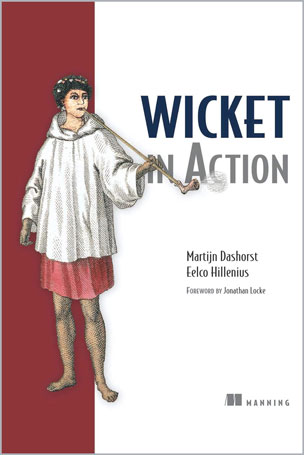
#Wicket
#Java
#HTTPSession
There are dozens of Java frameworks out there, but most of them require you to learn special coding techniques and new, often rigid, patterns of development. Wicket is different. As a component-based Web application framework, Wicket lets you build maintainable enterprise-grade web applications using the power of plain old Java objects (POJOs), HTML, Ajax, Spring, Hibernate and Maven. Wicket automatically manages state at the component level, which means no more awkward HTTPSession objects. Its elegant programming model enables you to write rich web applications quickly.
Wicket in Action is an authoritative, comprehensive guide for Java developers building Wicket-based Web applications. This book starts with an introduction to Wicket's structure and components, and moves quickly into examples of Wicket at work. Written by two of the project's earliest and most authoritative experts, this book shows you both the "how-to" and the "why" of Wicket. As you move through the book, you'll learn to use and customize Wicket components, how to interact with other technologies like Spring and Hibernate, and how to build rich, Ajax-driven features into your applications.
Table of Contents
PART 1 GETTING STARTED WITH WICKET
1 ■ What is Wicket?
2 ■ The architecture of Wicket
3 ■ Building a cheesy Wicket application
PART 2 INGREDIENTS FOR YOUR WICKET APPLICATIONS
4 ■ Understanding models
5 ■ Working with components:
labels, links, and repeaters
6 ■ Processing user input using forms
7 ■ Composing your pages
PART 3 GOING BEYOND WICKET BASICS
8 ■ Developing reusable components
9 ■ Images, CSS, and scripts: working with resources
10 ■ Rich components and Ajax
PART 4 PREPARING FOR THE REAL WORLD
11 ■ Securing your application
12 ■ Conquer the world with l10n and i18n
13 ■ Multitiered architectures
14 ■ Putting your application into production
Martijn Dashorst is a software engineer with over 10 years of experience in software development. He has been actively involved in the Wicket project since it was open sourced, and has presented Wicket as a speaker at numerous conferences, including JavaOne and JavaPolis