ثبت نام / ورود
0
ثبت نام / ورود
0
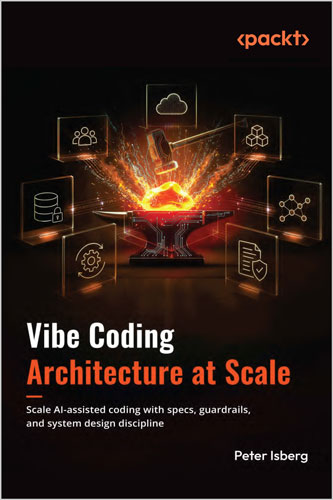
Scale AI-assisted coding with specs, guardrails, and system design discipline
Peter Isberg
#software_architecture
#CI/CD
#DAG
#IDE
#AI
#Git
🤖 تبدیل Vibe Coding به فرایند قابلاعتماد توسعه نرمافزار
⚙️ این کتاب نشون میده چطور با کمک Specها، Guardrailها، Testها و Workflowهای مهندسی، Vibe Coding را از تولید سریع Code به روشی قابلکنترل برای تحویل نرمافزار تبدیل کنی. هدف اینه که سیستمهای تولیدشده با AI، ساختاری منسجم، قابلبررسی، قابلآزمایش و مقیاسپذیر داشته باشن.
✨ ویژگیهای کلیدی
🏗️ کمک میکنه AI Coding سریع را به معماری نرمافزاری منظم و مقیاسپذیر تبدیل کنی.
🛡️ استفاده از Spec، Test و Guardrail را برای کنترل Code تولیدشده توسط AI آموزش میده.
🔄 Workflowهای مناسب برای Agentها، Review، CI/CD و پذیرش AI در تیمهای نرمافزاری را بررسی میکنه.
📘 توضیح کتاب
⚡ AI-assisted Coding میتونه سرعت تیمها را افزایش بده؛ اما سرعت بدون ساختار معمولاً به سیستمهای شکننده، Dependencyهای پنهان، Testهای ضعیف و تصمیمهایی منجر میشه که ردیابی دلیل و مسیر شکلگیری آنها دشواره.
🧭 این کتاب Vibe Coding را بهعنوان یک Workflow مهندسی منظم بازتعریف میکنه. Promptها، Code تولیدشده و خروجی Agentها در این رویکرد به سیستمهایی تبدیل میشن که میشه آنها را Review، Test و Scale کرد.
🏗️ مطالب کتاب براساس تجربه پیتر ایسبرگ در صنایع Defense، Automotive، Online Travel و Logistics نوشته شدهاند. این تجربه نشون میده چطور میشه Architectural Intent را بهصورت عملی وارد Software Development با کمک AI کرد.
🧠 در طول کتاب یاد میگیری Context را مدیریت کنی، Specها را بهعنوان Guardrail به کار بگیری، Architectural Test طراحی کنی و رفتار سیستم را بهشکل بصری نمایش بدی. همچنین نحوه ساخت Prompt Workflow و Review Workflow بررسی میشه.
🤝 مباحث پیشرفتهتر شامل Multi-agent Orchestration، CI/CD، Prompt Lineage، Model Routing و مدیریت امن Untrusted Context هستن. این موضوعات کمک میکنن استفاده از AI در سطح تیم و Production از حالت آزمایشی و پراکنده خارج بشه.
🎯 بعد از مطالعه کتاب، میتونی از Prompting موردی و بدون ساختار فاصله بگیری و با استفاده از Vibe Coding Architecture، نرمافزارهای تولیدشده با AI را با ساختاری روشنتر، Feedback Loopهای قویتر و کنترل مهندسی بهتر هدایت کنی.
🎯 چیزهایی که یاد میگیری
📋 یاد میگیری با استفاده از Specها، فرایند تحویل نرمافزار با کمک AI را هدایت کنی.
🧠 میتونی Context را طوری مدیریت کنی که Prompt Entropy و Drift کاهش پیدا کنن.
🛡️ یاد میگیری برای Code تولیدشده و Agentها، Guardrailهای مناسب طراحی کنی.
🧪 میتونی Testهایی بسازی که Architectural Intent را بررسی کنن.
🔍 با Review Workflowهای مناسب تغییرات تولیدشده توسط AI آشنا میشی.
🔐 یاد میگیری Prompt Injection و Untrusted Context را بهشکل امن مدیریت کنی.
🤝 میتونی از CI/CD و Orchestration برای کارهای Multi-agent استفاده کنی.
🌿 یاد میگیری Promptها، انتخاب Model و Intent مهندسی را در Git ثبت و دنبال کنی.
👤 این کتاب برای چه کسانیه؟
💻 این کتاب برای Developerها، Product Managerها، Engineerها، Architectها و Technical Leadهایی نوشته شده که در حال استفاده یا ارزیابی AI-assisted Coding هستن و به کنترل بیشتری روی Architecture، Quality، Security و Team Workflow نیاز دارن.
🏗️ مطالب برای تیمهایی کاربرد داره که میخوان سرعت Vibe Coding را حفظ کنن، اما همزمان Code تولیدشده را قابلبررسی، Testable، Secure و مقیاسپذیر نگه دارن.
📌 آشنایی با Software Delivery، Code Review، Testing و ابزارهای مدرن Development کمک میکنه بیشترین استفاده را از مطالب کتاب به دست بیاری.
📖 فهرست مطالب
فصل ۱. آنتروپی Prompt
فصل ۲. Shift Left، Guide Right
فصل ۳. رژیمهای Context
فصل ۴. طراحی مبتنی بر Annotation
فصل ۵. Architectural Unit Testing
فصل ۶. نمایش بصری Vibe
فصل ۷. Spec-Driven Development؛ Spec همان Guardrail است
فصل ۸. استفاده عملی از Spec Kit؛ از Prompt تا Code ادغامشده
فصل ۹. Kiro؛ وقتی IDE به Spec Engine تبدیل میشه
فصل ۱۰. Zenflow؛ Spec بهعنوان یک DAG اجرایی
فصل ۱۱. Get-Shit-Done؛ Spec-Driven همراه با Context Engineering
فصل ۱۲. Superpowers؛ Workflow قابلانتقال
فصل ۱۳. قالب Prompt برای Vibe Coding؛ فکرکردن پیش از ساخت
فصل ۱۴. راهنمای عملی Vibe Coding؛ Prompting بهعنوان Engineering
فصل ۱۵. Vibe Kanban؛ مدیریت گلوگاه انسانی
فصل ۱۶. Skill Forge؛ مهارتهایی ساختهشده از Codebase خودتان
فصل ۱۷. تله Asynchronous
فصل ۱۸. Schema Drift و API Contractها
فصل ۱۹. Context غیرقابلاعتماد؛ Prompt Injection
فصل ۲۰. Agent مهاجم؛ آزمایش خصمانه هنگام Runtime
فصل ۲۱. Multi-Agent Orchestration و CI/CD
فصل ۲۲. Two-AI Gripe؛ Pipelineهای بازبینی خصمانه
فصل ۲۳. Prompt Lineage؛ Git برای Intent
فصل ۲۴. Git بهعنوان Save-State Engine
👤 درباره نویسنده
💻 پیتر ایسبرگ، Software Developer ساکن سوئد است و بیش از ۱۶ سال سابقه حرفهای داره.
🏢 او در صنایع Defense، Automotive، Online Travel و Logistics فعالیت کرده و بیشتر تجربه فنی او بر Java و اکوسیستم آن متمرکز بوده است.
🧭 سابقه پیتر ایسبرگ در تحویل نرمافزار در صنایع حساس و پرتقاضا، دیدگاهی واقعبینانه درباره استفاده تیمها از AI-assisted Coding در اختیار او قرار داده؛ رویکردی که سرعت استفاده از AI را بدون ازدستدادن کنترل معماری دنبال میکنه.
Turn vibe coding into reliable software delivery by using specs, guardrails, tests, and workflows that keep AI-generated systems coherent
AI-assisted coding can help teams move faster, but speed without structure creates brittle systems, hidden dependencies, weak tests, and decisions that are difficult to trace. This book reframes vibe coding as a disciplined engineering workflow for turning prompts, generated code, and agent output into systems that can be reviewed, tested, and scaled.
Based on Peter Isberg’s experience across defense, automotive, online travel, and logistics, the book shows how to bring architectural intent into AI-assisted software development. You’ll learn how to manage context, use specs as guardrails, design architectural tests, visualize system behavior, build prompt and review workflows, and apply practices for multi-agent orchestration, CI/CD, prompt lineage, model routing, and secure handling of untrusted context.
By the end of this book, you’ll be able to move beyond ad hoc prompting and use vibe coding architecture to guide AI-generated software with clearer structure, stronger feedback loops, and better engineering control.
This book is for developers, product managers, engineers, architects, and technical leads who are already using or evaluating AI-assisted coding and need stronger control over architecture, quality, security, and team workflow. Familiarity with software delivery, code review, testing, and modern development tools will help readers get the most from the book.
About the Author
Peter Isberg is a Sweden-based software developer with more than 16 years of professional experience. He has worked across defense, automotive, online travel, and logistics, mainly using Java and its ecosystem. His background across software delivery in demanding industries gives him a grounded perspective on how teams can use AI-assisted coding without losing architectural control.