ثبت نام / ورود
0
ثبت نام / ورود
0
SuzanneW. Dietrich
#Database
#SQL
#XML
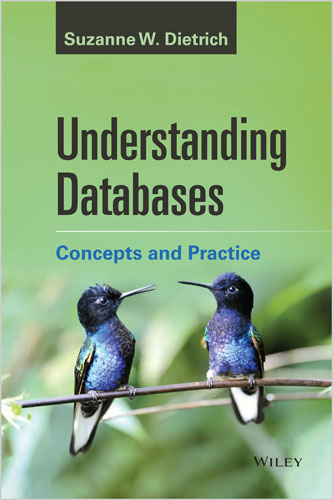
📘 کتاب Understanding Databases: Concepts and Practice یک مقدمه روان، قابلفهم و کاملاً بصری درباره سیستمهای دیتابیسه که برای دانشجوهای مقطع کارشناسی در رشتههای مختلف نوشته شده. این کتاب الکترونیکی تعاملی برای اولین درس مستقل دیتابیس طراحی شده و موضوعهای بنیادی مثل طراحی مفهومی، مدل داده رابطهای، جبر و حساب رابطهای، زبان SQL، دستکاری دیتابیس، مدیریت تراکنشها و تئوری طراحی دیتابیس رو پوشش میده.
🎨 کامپوننتهای بصری و قابلیتهای خودارزیابی، یادگیری رو جذابتر و عمیقتر میکنن و کمک میکنن دانشجوها هم در تئوری دیتابیس و هم در کاربرد عملی اون، پایه محکمی بسازن. فصلهای کوتاه و قابلهضم، فرصت زیادی برای تمرین و مسلط شدن روی مطالب میدن و شامل مسئلههای واقعی حلشده، سؤالهای خودآزمایی و فعالیتهای گروهی دستبهکار هستن که از دانشجوها میخوان یک دیتابیس واقعی و قابلاستفاده بسازن.
🧩 نسخه Enhanced eText همینطور سؤالهای چندگزینهای تعاملی با بازخورد فوری داره تا دانشجوها همزمان با جلو رفتن در کتاب، میزان یادگیری خودشون رو ارزیابی کنن. مطالعههای موردی، مثالهای تصویری، شکلهای خلاصه رنگی، جدولهای توضیحدار و ابزارهای آموزشی دیگه در سراسر متن استفاده شدهاند تا درک و ماندگاری کانسپتهای کلیدی بیشتر بشه و مهارت حل مسئله دانشجوها تقویت بشه.
🎯 هدف کتاب اینه که مفاهیم پایه و Practiceهای ضروری دیتابیس رو برای طیف گستردهای از خوانندهها معرفی کنه. توضیح جمعوجور مبانی رسمی و ریاضی، یک پایه قوی برای استفاده از اونها در حل مسئله میسازه.
🔗 کامپوننتهای بصری در تمام بخشهای کتاب حضور دارن؛ از جمله یک شمای رابطهای بصری که کلیدهای اصلی و خارجی رو به هم وصل میکنه تا مفهوم یکپارچگی ارجاعی واضحتر بشه. شکلها و جدولهای خلاصه هم نمای کلی اطلاعات ضروری رو ارائه میدن.
🛠️ تمرین بخش اصلی کتابه و در پایان هر فصل، مسئلههای واقعی متنوعی همراه با راهحل قرار گرفتن. خودارزیابی مرحلهای هم از طریق سؤالهای خودآزمایی در پایان هر بخش انجام میشه.
📖 فهرست مطالب
فصل ۱. مقدمهای بر دیتابیسها و مدل داده رابطهای
فصل ۲. طراحی مفهومی
فصل ۳. جبر رابطهای
فصل ۴. حساب رابطهای
فصل ۵. SQL: مقدمهای بر کوئرینویسی
فصل ۶. SQL: فراتر از زبان کوئری
فصل ۷. برنامهنویسی دیتابیس
فصل ۸. XML و دیتابیسها
فصل ۹. مدیریت تراکنشها
فصل ۱۰. مباحث بیشتر در طراحی دیتابیس
✨ ویژگیهای هر فصل
🎯 هدفهای یادگیری: در ابتدای هر فصل، هدفهایی که خواننده باید بهشون برسه مشخص میشن.
📝 یادداشتهای حاشیهای: نکتههای مهم متن در حاشیه صفحه برجسته میشن.
✅ سؤالهای خودآزمایی: در هر بخش سؤالهایی وجود داره تا هنگام مطالعه، میزان درکت رو بررسی کنی. پاسخها در پایان فصل قرار دارن.
🖱️ بخشهای تعاملی، فقط در نسخه eBook: سؤالهای چندگزینهای داخل کتاب قرار گرفتن تا فرصت بیشتری برای خودارزیابی داشته باشی.
📦 محتوای کادربندیشده: باکسهای موضوع ویژه، الگوریتم، راهنمای انجام کار، Syntax و نکته، دانش مهم رو برجسته میکنن.
📌 خلاصه یادداشتهای فصل: یادداشتهای حاشیهای در پایان فصل دوباره مرور میشن تا مسیر اصلی بحث جمعبندی بشه.
📊 یادآوریهای فصل: شکلها و جدولهای خلاصه، مهمترین دانستههای فصل رو نمایش میدن.
🧩 مسئلههای تمرینی: مهارت حل مسئله روی سناریوهای متنوع دنیای واقعی تمرین میشه.
📚 تمرینهای پایان فصل: مدرسها میتونن این تمرینها رو برای بهکارگیری مطالب به دانشجوها بدن.
🔖 یادداشتهای کتابشناختی: رفرنسهای پایه و مرتبط با دانش هر فصل معرفی میشن.
🔍 موضوعهای بیشتر برای بررسی: پیشنهادهایی برای ادامه یادگیری و رفتن فراتر از مطالب فصل ارائه میشه.
🧭 ساختار کتاب
📅 این کتاب برای یک درس مقدماتی یکترمه درباره دیتابیس طراحی شده و هم در دورههای آشنایی کاربردی با دیتابیس و هم در درسهای سنتی دیتابیس قابل استفاده است.
🧱 فصلهایی که کانسپتهای بنیادی موردنیاز همه دانشجوها رو پوشش میدن، در سمت چپ ساختار پیشنهادی کتاب قرار دارن و موضوعهای پیشرفتهتر مخصوص دانشجوهای علوم کامپیوتر در سمت راست نمایش داده میشن. براکتها هم ترتیبهای جایگزین فصلها رو بر اساس تمرکز مدرس و ساختار تمرینها مشخص میکنن.
👤 درباره نویسنده
👩🏫 سوزان دبلیو. دیتریش استاد School of Mathematical and Natural Sciences در Arizona State University است. او دکترای علوم کامپیوتر خودش رو از Stony Brook University و با حمایت Office of Naval Research Graduate Fellowship دریافت کرده.
🧠 تدریس و پژوهش او روی سیستمهای دیتابیس و آموزش علوم کامپیوتر متمرکزه و به موضوعهایی مثل دیتابیسهای فعال، نگهداری Materialized Viewها، اطلاعات Streaming، زبانهای کوئری و کاربردهای بینرشتهای دیتابیس علاقه ویژهای داره.
🔬 پژوهشهای او از طرف National Science Foundation حمایت شدهاند و مقالههای زیادی در ژورنالها و مجموعهمقالههای کنفرانسهای دانشگاهی منتشر کرده.
📚 او نویسنده چندین کتاب دیتابیسه، از جمله Understanding Databases: Concepts and Practice، Understanding Relational Database Query Languages، Foundations of Object Databases و An Advanced Course in Database Systems.
🏆 انجمن Association for Computing Machinery بهخاطر فعالیتهای او در آموزش Computing، توسعه برنامه درسی، نرمافزارهای آموزشی و تألیف کتابهای درسی، عنوان ACM Distinguished Educator رو به او اعطا کرده.
Understanding Databases: Concepts and Practice is an accessible, highly visual introduction to database systems for undergraduate students across many majors. Designed for self-contained first courses in the subject, this interactive e-textbook covers fundamental database topics including conceptual design, the relational data model, relational algebra and calculus, Structured Query Language (SQL), database manipulation, transaction management, and database design theory.
Visual components and self-assessment features provide a more engaging and immersive method of learning that enables students to develop a solid foundation in both database theory and practical application. Concise, easy-to-digest chapters offer ample opportunities for students to practice and master the material, and include a variety of solved real-world problems, self-check questions, and hands-on collaborative activities that task students to build a functioning database. This Enhanced eText also offers interactive multiple-choice questions with immediate feedback that allow students to self-assess as they proceed through the book. Case studies, illustrative examples, color summary figures and tables with annotations, and other pedagogical tools are integrated throughout the text to increase comprehension and retention of key concepts and help strengthen students’ problem-solving skills.
The goal of this book is to provide an introduction to databases to a diverse audience, incorporating fundamental concepts and essential practice. The succinct presentation of the underlying formalism forms a strong foundation for its application to solving problems. Visual components are integrated throughout the text, including the use of a visual relational schema linking primary and foreign keys to highlight referential integrity. Summary figures and tables provide an overview of essential information. Practice is an integral component of the text with a variety of solved real-world problems at the end of each chapter. Formative self-assessment is also incorporated through self-check questions at the end of each section.
Table of Contents
Chapter 1. Introduction to Databases and the Relational Data Model
Chapter 2. Conceptual Design
Chapter 3. Relational Algebra
Chapter 4. Relational Calculus
Chapter 5. SQL: An Introduction to Querying
Chapter 6. SQL: Beyond the Query Language
Chapter 7. Database Programming
Chapter 8. XML and Databases
Chapter 9. Transaction Management
Chapter 10. More on Database Design
Chapter Features
• Learning Objectives: Listed at the beginning of each chapter describing learner goals.
• Margin Notes: Notes in the margin highlight important aspects in the textual description.
• Self-Check Questions: Formative self-assessment questions in each section for students to test their understanding as they read with answers included at the end of the chapter.
• Interactivities (eBook only): Multiple-choice questions integrated in the eBook for additional formative self-assessment opportunities.
• Boxed Content: Special Topic, Algorithm, How To, Syntax, and Note boxes interspersed to emphasize valuable knowledge.
• Chapter Notes Summary: Margin notes revisited at the end of the chapter, reviewing its storyline.
• Chapter Reminders: Summary figures and tables that highlight fundamental chapter knowledge.
• Practice Problems: Essential practice of problem-solving applied to a variety of real-world scenarios.
• End of Chapter Exercises: Exercises that instructors can assign students to apply their knowledge.
• Bibliographic Notes: Relevant foundational references for the chapter knowledge.
• More to Explore: Hints to students on additional topics to explore, going beyond the chapter’s presentation.
Organization
The book is intended for a one-semester introductory course on databases for both database fluency courses and the traditional database course. The chapters covering fundamental concepts for all are shown on the left and the advanced topics designed for computer science majors to the right. The braces indicate possible alternatives for chapter sequence based on the instructor’s emphasis and assignment structure.
About the Author
Suzanne W. Dietrich is a professor in the School of Mathematical and Natural Sciences at Arizona State University. She earned her Ph.D. in Computer Science from Stony Brook University as an Office of Naval Research Graduate Fellow. Her teaching and research focus on database systems and computer science education, with particular interests in active databases, materialized-view maintenance, streaming information, query languages, and interdisciplinary database applications. (ASU Search)
Her research has received support from the National Science Foundation, and she has published extensively in academic journals and conference proceedings. She is the author of several database textbooks, including Understanding Databases: Concepts and Practice, Understanding Relational Database Query Languages, Foundations of Object Databases, and An Advanced Course in Database Systems. The Association for Computing Machinery has recognized her as an ACM Distinguished Educator for her contributions to computing education, curriculum development, educational software, and textbook authorship. (ASU Search)