ثبت نام / ورود
0
ثبت نام / ورود
0
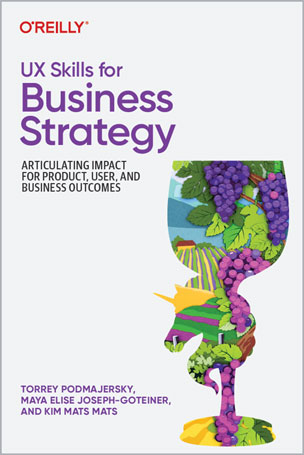
Articulating Impact for Product, User, and Business Outcomes
Torrey Podmajersky, Maya Elise Joseph-Goteiner, Kim Mats Mats
#UX
#Business
#Strategy
#Product
#User
🎯 UX فقط طراحی رابط نیست؛ ابزاریه برای ساختن استراتژی کسبوکار
🧠 این کتاب دربارهی وصل کردن نقطههاست؛ یعنی ارتباط بین فعالیتهایی که تجربهی کاربری یا همون UX را شکل میدن و تأثیرهایی که این فعالیتها روی کسبوکار میذارن. هدف اصلی کتاب اینه که نشون بده چطور میشه از مهارتهای UX برای تصمیمگیری استراتژیک در سطح بیزینس استفاده کرد.
📘 نویسندهها با الهام از تعریف «جیمی لوی» از UX Strategy توضیح میدن که استراتژی در اصل یک برنامهی سطح بالاست برای رسیدن به اهداف کسبوکار؛ برنامهای که شامل انتخاب روشها، تعیین Milestoneها و مشخص کردن معیارهای سنجش پیشرفته.
⚙️ اما سؤال مهم اینه:
این برنامه دقیقاً چطور ساخته میشه؟
💡 پاسخ کتاب اینه که تحقق استراتژی با UX فقط به خروجیهایی مثل Wireframe یا Prototype محدود نمیشه، بلکه دو عنصر اصلی داره:
🔹 استفادهی واقعی و هدفمند از UX Skills
🔹 تأثیرهایی که این مهارتها روی سازمان و محصول ایجاد میکنن
🧩 در این کتاب، هر Impact یا «اثر» بهصورت جداگانه توضیح داده شده و مهارتهای UX مرتبط با ایجاد اون اثر معرفی میشن.
🔄 برعکسش هم وجود داره؛ یعنی هر مهارت UX توضیح داده میشه و مشخص میشه معمولاً چه نوع اثرهایی روی محصول، تیم یا کسبوکار ایجاد میکنه.
🎯 این اتصال بین Impact و UX Skill کمک میکنه UX را فقط یک فعالیت طراحی نبینی، بلکه بهعنوان یک ابزار واقعی برای حل مسئلههای بیزینسی درک کنی.
❓ این کتاب کمک میکنه به سؤالهای مهمی جواب بدی
🧠 چه مهارتهای UX بیشترین احتمال را برای ایجاد اثر موردنیاز من دارن؟
📊 وقتی از یک مهارت UX استفاده میکنم، باید چه Impactهایی را اندازهگیری کنم؟
🤝 چه طرزفکرها و Attitudeهایی میتونن اثرگذاری تیم UX را بیشتر کنن؟
⚠️ هنگام استفاده از هر Skill باید مراقب چه ریسکهایی باشم؟
🏢 برای موفقیت در استفاده از یک مهارت UX به چه سطحی از اختیار و Authority نیاز دارم؟
🔧 چه شرایط سازمانی باید وجود داشته باشه تا یک UX Skill واقعاً مفید باشه؟
👥 این کتاب مناسب چه کسانیه؟
💻 هرکسی که باید مسئلههایی را حل کنه که به نحوهی تعامل آدمها با تجربهها مربوط میشه.
🎨 متخصصهای UX و مدیرهایی که تیمهای UX را هدایت میکنن.
🏢 فرقی نمیکنه سازمان شما از اصطلاحهایی مثل UX، CX، PD، XD، IA، HCI یا HCD استفاده کنه؛ این کتاب برای کمک به ساخت و مدیریت یک فرهنگ طراحی کاربرمحور نوشته شده.
🚀 بهطور خلاصه، این کتاب برای افرادیه که میخوان با طراحی تجربهها، مسئلههای واقعی کاربر و کسبوکار را حل کنن.
📚 فهرست مطالب
🧠 ایدهی کلیدی کتاب
📌 UX فقط طراحی صفحه و Interface نیست.
📌 UX یک ابزار استراتژیک برای تغییر رفتار، تصمیمگیری و خلق ارزش در سازمانه.
📌 مهارتهای UX زمانی ارزش واقعی پیدا میکنن که اثر قابلاندازهگیری ایجاد کنن.
📌 تیمهای UX باید علاوه بر طراحی، روی تفکر سیستمی، همکاری بین تیمی و درک بیزینس هم تمرکز کنن.
👩🏫 درباره نویسندهها
🧠 «توری پودمایرسکی» رئیس شرکت Catbird Content هست و به تیمها کمک میکنه با استفاده از UX و Content، مسئلههای مشتری و کسبوکار را حل کنن.
📘 او تجربهی طراحی تجربههای کاربری Inclusive و Accessible برای شرکتهایی مثل Google، OfferUp و Microsoft را داره و نویسندهی کتاب معروف Strategic Writing for UX هم هست.
🎤 توری بهعنوان سخنران و منتور UX در سطح جهانی فعالیت میکنه و به خاطر انرژی بالا، بیان روان و توصیههای عملی شناخته میشه.
🔬 «مایا جوزف-گوتاینر» روی کمک به تیمهای محصول برای خروج از تصمیمگیریهای Reactive تمرکز داره و تلاش میکنه تصمیمها را بر پایهی Research و Data شکل بده.
🏢 او سابقهی رهبری تحقیق در شرکتهایی مثل Gannett، Indiegogo، DocuSign و Google Ads را داره و برنامهی UX شتابدهندهی Area 120 گوگل را طراحی کرده.
🚀 از سال ۲۰۲۳، شرکت او یعنی Velocity Ave LLC با استارتاپها و شرکتهای بزرگ مختلف همکاری میکنه.
🌍 «کیم ماتس ماتس» بیش از ۲۰ ساله که در حوزهی Human-Centered Design فعالیت میکنه و به سازمانهای دولتی، NGOها و شرکتهای Fortune 500 کمک کرده محصولات و سرویسهای بهتری طراحی کنن.
📱 او سابقهی رهبری استراتژی طراحی تجربه در شرکتهایی مثل Avanade، Infosys و Kaiser Permanente را داره و حالا از طریق آژانس خودش یعنی Three Lines آموزش و مشاوره ارائه میکنه.
This book is about connecting the dots between the activities that contribute to creating user experiences—UX skills—and the impacts of those activities so that we can inform the business strategy.
“[Strategy] is the high-level plan to achieve one or more business goals,” wrote Jamie Levy in UX Strategy.* The strategy consists of choosing our methods and milestones and how we will measure our progress toward them. It balances the needs of the various stakeholders and considers pressures from various constraints.
But how do we make that plan? What are the components of that plan? We believe the core elements of realizing a strategy with UX aren’t just the design artifacts we create, but (1) the intrinsic use of UX skills and (2) the impacts made when we use those skills. In this book, each impact is described and includes a list of the UX skills to make that impact happen. Similarly, each UX skill is described and has statements about the impacts that it is likely to make.
By pairing these impacts and UX skills together, showing you how they connect, we help you answer these questions:
• What are the UX skills that are most likely to make the impact I need?
• What impacts should I measure when I’m using this UX skill?
• What attitudes can I and my team develop to amplify our impact?
• What risks do I need to watch out for when using a skill?
• How much authority will I need to be successful using this UX skill?
• What conditions are required for this UX skill to be useful in my organization?
Who This Book Is For
No matter what your role is, if you need to solve problems that involve how people use experiences, this book is here to help you.
If you’re a UX pro or are someone who manages UX work, this book is for you too. Whether your organization calls it UX, PD, CX, XD, IA, HCI, HCD, or something else,* we wrote this book to help you create, enter, staff, lead, collaborate with, and make decisions about a user-centered design practice.
In short, we wrote this book for people trying to solve business and user problems by designing and building experiences. We expect you’ll use it in a few different ways, depending on your circumstances.
Table of Contents
Chapter 1. How to Use This Book
Chapter 2. Impacts
Chapter 3. UX Skills
Chapter 4. Attitudes to Amplify Success
About the Authors
As president of Catbird Content, Torrey Podmajersky helps teams solve business and customer problems using UX and content. She has written inclusive and accessible consumer and professional experiences for Google, OfferUp, and Microsoft. Torrey wrote the groundbreaking book Strategic Writing for UX and builds the community of practice by speaking, teaching, and mentoring UX folks worldwide. As a keynote and technical speaker, she brings authentic energy and enthusiasm to the stage, both online and in person. She delivers fundamental truths with immediately practical advice, and is frequently recommended for her inviting warmth, approachable humor, and inspiring presence.
Maya Joseph-Goteiner supports xFN product teams in escaping reactive decisions optimized for predictable outcomes. Challenging traditional processes, Maya aligns teams around research to anchor decisions in data and build lovable products. After leading research at Gannett, Indiegogo, DocuSign and Google Ads, Maya designed the UX program for Google’s incubator Area 120, where she worked with 58 product teams. As a leader, Maya empowers UXers to step into the business and take a holistic approach to their practice. Since 2023, Maya’s agency Velocity Ave LLC has been working with a portfolio of both public companies and early-stage startups.
Kim Mats Mats helps nonprofits, government agencies, and Fortune 500 companies create better products and services through human-centered design. For over 20 years, she has led experience design strategy at Avanade, Infosys, and Kaiser Permanente, leading cross-functional teams to envision, design, and build websites, mobile apps, and enterprise tools. Her mission is to help designers, builders, and businesses develop information systems that bring positive change to the world. Kim now teaches and consults through her agency, Three Lines.