ثبت نام / ورود
0
ثبت نام / ورود
0
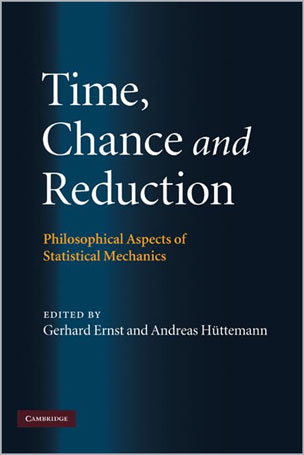
Philosophical Aspects of Statistical Mechanics
Gerhard Ernst, Andreas Hüttemann
#Time
#Chance
#Reduction
#Statistical_Mechanics
#Philosophy
#Physics
#Quantum
🧠 مکانیک آماری تلاش میکنه رفتار سیستمهای فیزیکی ماکروسکوپی رو بر اساس ویژگیهای مکانیکی اجزای سازندهشون توضیح بده. با اینکه مکانیک آماری یکی از نظریههای بنیادی فیزیکه، فیلسوفان علم کمتر از چیزی که انتظار میره بهش توجه کردن. با این حال، این حوزه سؤالهای فلسفی خیلی مهمی رو درباره ماهیت زمان، شانس و تقلیل مطرح میکنه.
🔍 بیشتر مسئلههای فلسفی این حوزه به یک سؤال اصلی برمیگردن: آیا ترمودینامیک رو میشه به مکانیک آماری تقلیل داد یا نه؟ این کتاب دقیقاً سراغ مسئلههایی میره که داخل همین تقلیل وجود دارن: نامتقارنی زمانی در ترمودینامیک و نبودن همین نامتقارنی در مکانیک آماری؛ نقش و ماهیت ضروری شانس و احتمال در این تقلیل، در حالی که خود ترمودینامیک ذاتاً احتمالاتی نیست؛ و اینکه اصلاً این تقلیل چطور و تا چه حد ممکنه.
📚 این کتاب با جمع کردن مقالهها و پژوهشهای جدید از متخصصهای این حوزه، یک مرور خیلی ارزشمند از فلسفه مکانیک آماری ارائه میده؛ مخصوصاً برای پژوهشگران دانشگاهی و دانشجوهای تحصیلات تکمیلی که به مبانی فیزیک علاقه دارن.
📖 فهرست مطالب
۱. مقدمه
بخش ۱. پیکانهای زمان
۲. آیا یک قید آنتروپی پایین جلوی تاثیرگذاری ما بر گذشته رو میگیره؟
۳. فرضیه گذشته با گرانش روبهرو میشود
۴. گرانش کوانتومی و پیکان زمان
بخش ۲. احتمال و شانس
۵. برداشت Natural-Range از احتمال
۶. احتمال در مکانیک آماری بولتزمنی
۷. متافیزیک هیومی در برابر متافیزیک قدرتها
بخش ۳. تقلیل
۸. شکلگیری ترمودینامیک پدیدارشناختی کلازیوس
۹. تقلیل و بازبهنجارش
۱۰. برگشتناپذیری در دینامیک تصادفی
📘 توضیحات کتاب
📌 این کتاب خلاصهای از پژوهشهای فعلی درباره مسئلههای فلسفیای ارائه میده که در تقلیل ترمودینامیک به مکانیک آماری وجود دارن.
👤 درباره نویسندگان
👨🏫 گرهارد ارنست استاد تاریخ فلسفه و فلسفه اخلاق در دانشگاه اشتوتگارت است. حوزههای اصلی پژوهش او فلسفه اخلاق، معرفتشناسی و فلسفه علم هستند.
👨🏫 آندریاس هوتهمان استاد فلسفه در دانشگاه وستفالی ویلهلم در مونستر است. علاقههای پژوهشی او شامل فلسفه علم و فلسفه دوران مدرن اولیه میشه.
Statistical mechanics attempts to explain the behaviour of macroscopic physical systems in terms of the mechanical properties of their constituents. Although it is one of the fundamental theories of physics, it has received little attention from philosophers of science. Nevertheless, it raises philosophical questions of fundamental importance on the nature of time, chance and reduction. Most philosophical issues in this domain relate to the question of the reduction of thermodynamics to statistical mechanics. This book addresses issues inherent in this reduction: the time-asymmetry of thermodynamics and its absence in statistical mechanics; the role and essential nature of chance and probability in this reduction when thermodynamics is non-probabilistic; and how, if at all, the reduction is possible. Compiling contributions on current research by experts in the field, this is an invaluable survey of the philosophy of statistical mechanics for academic researchers and graduate students interested in the foundations of physics.
Table of Contents
1 Introduction
Part I The arrows of time
2 Does a low-entropy constraint prevent us from influencing the past?
3 The past hypothesis meets gravity
4 Quantum gravity and the arrow of time
Part II Probability and chance
5 The natural-range conception of probability
6 Probability in Boltzmannian statistical mechanics
7 Humean metaphysics versus a metaphysics of powers
Part III Reduction
8 The crystallization of Clausius's phenomenological thermodynamics
9 Reduction and renormalization
10 Irreversibility in stochastic dynamics
Presents a summary of current research on the philosophical issues inherent in the reduction of thermodynamics to statistical mechanics.
Gerhard Ernst, is a Professor of History of Philosophy and Moral Philosophy at Universität Stuttgart. His main research interests are in moral philosophy, epistemology and philosophy of science.
Andreas Hüttemann, is a Professor of Philosophy at Westfälische Wilhelms-Universität, Münster. His research interests include philosophy of science and early modern philosophy.