ثبت نام / ورود
0
ثبت نام / ورود
0
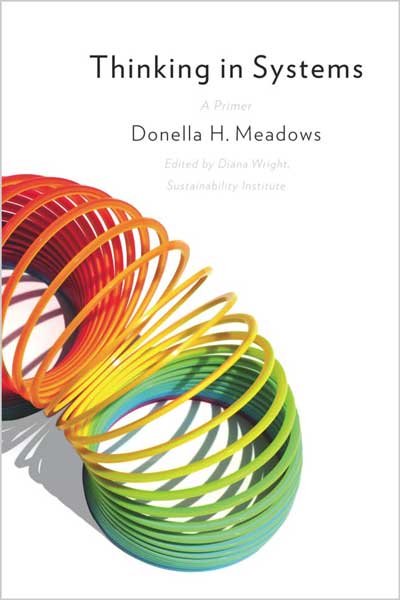
Donella H. Meadows, Edited by Diana Wright
#company
#methodology
🌐 دنیا را بهعنوان یک سیستم ببین
🚀 کتاب کلاسیک Thinking in Systems با فروش بیش از نیممیلیون نسخه در سراسر جهان، راهی روشن برای درک مسائل پیچیده و پیداکردن راهحلهای مؤثر ارائه میده. این کتاب کمک میکنه روابط، Feedback Loopها، رفتارهای غیرخطی و نقاط اثرگذار سیستمها را بشناسی و مسائل را از سطح شخصی تا مقیاس جهانی دقیقتر تحلیل کنی.
💬 مجله Forbes این اثر را کتابی فوقالعاده توصیف کرده که ذهن خواننده را باز میکنه و شیوه فکرکردن درباره سرمایهگذاری را تغییر میده. هانتر لوینز نیز معتقده مطالعه آن برای هر کسی که میخواد یک شرکت، جامعه یا کشور موفق را اداره کنه ضروریه و بهترین کتاب در حوزه Systems Thinking به شمار میره.
✨ ویژگیهای کلیدی
🧠 مفاهیم اصلی Systems Thinking را بهشکلی روشن، قابلفهم و دور از پیچیدگیهای غیرضروری توضیح میده.
🔄 با مفاهیمی مثل Stock، Flow، Feedback Loop، Time Delay، Resilience، Bounded Rationality و System Boundary آشنا میشی.
🎯 یاد میگیری Leverage Pointها یا نقاطی را پیدا کنی که مداخله در آنها میتونه رفتار کل سیستم را تغییر بده.
🌍 مسائل بزرگی مثل جنگ، گرسنگی، فقر و تخریب محیطزیست را بهعنوان System Failure بررسی میکنه.
🧩 نشان میده چرا اصلاح یک بخش بهصورت جداگانه میتونه نتیجه نامطلوبی برای کل سیستم ایجاد کنه.
📘 توضیح کتاب
📚 دونلا میدوز پس از نقشآفرینی بهعنوان نویسنده اصلی کتاب پرفروش بینالمللی Limits to Growth همچنان از پیشگامان تحلیلهای زیستمحیطی و اجتماعی باقی موند. Limits to Growth نخستین کتابی بود که پیامدهای رشد کنترلنشده روی سیارهای با منابع محدود را نشان داد. فعالیتهای پیشگامانه میدوز تا زمان درگذشت زودهنگامش در سال ۲۰۰۱ ادامه پیدا کرد.
🌐 کتاب Thinking in Systems اثری فشرده و ضروریه که برای حل مسئله در مقیاسهای مختلف، از زندگی شخصی تا مسائل جهانی، بینش ارائه میده. این مقدمه اساسی را دایانا رایت از Sustainability Institute ویرایش کرده است.
💻 کتاب Systems Thinking را از دنیای Computerها و Equationها بیرون میاره و وارد دنیای ملموس و واقعی میکنه. در این مسیر، خواننده مهارتهایی را به دست میاره که متفکران برجسته سراسر جهان آنها را برای زندگی در قرن بیستویکم ضروری میدونن.
⚠️ بعضی از بزرگترین مشکلات جهان، از جمله جنگ، گرسنگی، فقر و تخریب محیطزیست، در اصل شکستهای سیستمی هستن. این مشکلات را نمیشه با اصلاح یک بخش و جداکردن آن از سایر اجزای سیستم حل کرد؛ چون حتی جزئیاتی که کماهمیت به نظر میرسن، میتونن تلاشهای مبتنی بر تفکر محدود را کاملاً بیاثر کنن.
🔄 کتاب ابزارها و روشهای مفهومی Systems Thinking را آموزش میده، اما هسته اصلی آن فراتر از Methodology است. دونلا میدوز به همان اندازه که برای بررسی علم پشت بحرانهای جهانی شناخته میشد، به پرورش نتایج مثبت هم اهمیت میداد.
🌱 میدوز یادآوری میکنه که باید به چیزهای واقعاً مهم توجه کرد، نه فقط مواردی که قابلاندازهگیری هستن. او بر حفظ فروتنی و ادامهدادن یادگیری تأکید میکنه.
🧭 در جهانی که هر روز پیچیدهتر، شلوغتر و وابستهتر میشه، Thinking in Systems کمک میکنه گرفتار سردرگمی و احساس ناتوانی نشی. عبور از این وضعیت، نخستینین قدم برای پیداکردن راهحلهایی پیشدستانه و مؤثره.
🎯 بعد از مطالعه کتاب، میتونی بهجای تمرکز جداگانه روی نشانههای یک مشکل، ساختارها، ارتباطات، Feedbackها و علتهای سیستمی پشت آن را ببینی و برای ایجاد تغییرات مؤثرتر در زندگی، سازمان، جامعه و محیطزیست تصمیم بگیری.
🎯 چیزهایی که یاد میگیری
🧩 یاد میگیری ساختار و رفتار Systemها را درک و تحلیل کنی.
🔄 با Reinforcing Feedback Loopها و Negative Feedbackها آشنا میشی.
📊 میتونی Stockها، Flowها و تأثیر Time Delayها را در رفتار سیستم بررسی کنی.
⚠️ یاد میگیری System Trapها را شناسایی و فرصتهای پنهان در آنها را پیدا کنی.
🎯 میتونی Leverage Pointها یا مناسبترین نقاط مداخله در یک System را تشخیص بدی.
🌱 مفاهیمی مثل Self-Organization، Resilience، Bounded Rationality و System Boundary را درک میکنی.
🧠 یاد میگیری بهجای بهینهسازی جداگانه Subsystemها، عملکرد کل System را در نظر بگیری.
🌍 میتونی Systems Thinking را برای مسائل شخصی، سازمانی، اقتصادی، اجتماعی و زیستمحیطی به کار بگیری.
👤 این کتاب برای چه کسانیه؟
🌐 این کتاب برای تمام افرادی مناسبه که میخوان مسائل پیچیده را بهتر درک کنن و برای آنها راهحلهای مؤثر و پایدار پیدا کنن؛ از مدیران شرکتها و سیاستگذاران گرفته تا پژوهشگران، دانشجویان، فعالان اجتماعی و شهروندان علاقهمند.
🏢 افرادی که در اداره شرکت، جامعه یا کشور نقش دارن، با مطالعه کتاب یاد میگیرن تصمیمها چطور از طریق ارتباطات، Feedback Loopها و Time Delayها روی کل سیستم اثر میذارن.
📌 توضیحات کتاب مفاهیم پیچیده Systems Thinking را با مثالهای ساده، روزمره و گاهی طنزآمیز بیان میکنن. در اطلاعات منبع، هیچ پیشنیاز تخصصی برای مطالعه آن ذکر نشده است.
📖 فهرست مطالب
بخش اول. ساختار و رفتار Systemها
فصل ۱. مبانی
فصل ۲. بازدیدی کوتاه از باغوحش Systemها
بخش دوم. Systemها و ما
فصل ۳. چرا Systemها اینقدر خوب کار میکنن؟
فصل ۴. چرا Systemها ما را غافلگیر میکنن؟
فصل ۵. تلههای System و فرصتها
بخش سوم. ایجاد تغییر در Systemها و فلسفه ما
فصل ۶. Leverage Pointها؛ محلهای مداخله در یک System
فصل ۷. زندگی در جهانی از Systemها
📝 نقد و بررسی
💭 «کتابی فوقالعاده است... این کتاب ذهن من را باز کرد و شیوه فکرکردنم درباره سرمایهگذاری را تغییر داد.»
— Forbes
💭 «مطالعه Thinking in Systems برای هر کسی که امیدوار است یک شرکت، جامعه یا کشور موفق را اداره کند ضروری است. یادگیری تفکر سیستمی حالا بخشی از سواد هر عامل تغییره و این بهترین کتاب در نوع خودشه.»
— هانتر لوینز
💭 Publishers Weekly در نقد برگزیده خود توضیح میده که میدوز، دانشمند، کشاورز و فعال برجسته محیطزیست، کمی پیش از درگذشتش نسخه بهروزشده سیسالگی کتاب تأثیرگذار Limits to Growth را تکمیل کرد؛ کتابی که نخستین بار در سال ۱۹۷۲ بهعنوان فراخوانی زیستمحیطی برای اقدام منتشر شده بود. او همچنین پیشنویس Thinking in Systems را آماده کرد و در آن، روش Systems Analysis مورد استفاده در آثار پیشگامانهاش و نحوه اجرای آن برای حل مسائل فردی و بزرگمقیاس را توضیح داد.
💭 این نقد اشاره میکنه که میدوز با مثالهایی طنزآمیز و روزمره، مفاهیم دشواری مثل Reinforcing Feedback Loop را توضیح میده؛ برای نمونه، هرچه یک برادر بیشتر فشار وارد کنه، برادر دیگر هم بیشتر مقاومت میکنه. Negative Feedback با نمونه Thermostat و Delayed Response با مثال مدیریت موجودی فروشگاه توضیح داده میشن.
💭 میدوز خواننده را با روشهای پیچیدهتر عملکرد Feedback Loopها همراه میکنه و نشان میده این Loopها چطور در طبیعت، از Virusها تا درختان Redwood، و در فعالیتهای انسانی به شکلگیری Self-Organizing Systemها منجر میشن.
💭 او همچنین روشهای اصلاح Systemهایی را توضیح میده که از مسیر درست خارج شدهاند؛ برای نمونه، رهبران جهان بهدرستی روی Economic Growth متمرکز هستن، اما با تمام توان در جهت اشتباه فشار وارد میکنن. Publishers Weekly این کتاب را همراهی بسیار ارزشمند برای Limits to Growth و در عین حال، مرجعی مستقل و کاربردی برای Systems-Based Problem Solving میدونه؛ کتابی ساده درباره جهانی پیچیده که با خرد متفکری عمیق و متعهد به ساخت آیندهای بهتر همراه شده است.
💭 «وقتی Thinking in Systems را میخونم، دوباره بزرگی شکاف میان Systemic Thinkerها و Policy Makerها را به یاد میارم. اگر این کتاب به کمترشدن این شکاف کمک کنه، بزرگترین دستاورد دانا خواهد بود.»
— لستر براون، بنیانگذار و رئیس Earth Policy Institute
💭 «توضیحات دانا میدوز در این کتاب به سطحی از شفافیت و سادگی رسیده که فقط از کسی برمیاد که موضوع موردبحث، یعنی Systems Modeling، را عمیق و صادقانه درک کرده باشه. از دایانا رایت بسیار سپاسگزارم که این بخش دیگر از میراث دانا را در اختیار ما قرار داد.»
— هرمن دالی، استاد School of Public Policy در University of Maryland at College Park
💭 «مطالعه Thinking in Systems خرد و حتی صدای دانا میدوز را زنده میکنه. دوباره به یاد میاریم که او نهفقط یکی از بزرگترین Systems Thinkerها، بلکه یکی از بهترین معلمان ما بود. این کتاب با فروتنی یک Primer نامیده شده و واقعاً هم چنین نقشی داره؛ اما برخلاف بیشتر کتابهایی با این عنوان، خیلی سریع خواننده را از اصول اولیه به تفکر عمیق سیستمی درباره مسائلی میرسونه که امروز به همان اندازه زمان نگارش کتاب مهم هستن.»
💭 «بحث مربوط به مصرف نفت و تعامل الگوی استخراج آن با تصمیمگیری اقتصادی باید مطالعه اجباری تمام Energy Policy Makerها، مدیران شرکتهای انرژی و شهروندان آگاه در یک جامعه دموکراتیک باشه. نمونه Fisheries هم یادآوری میکنه دولتها و بازیگران خصوصی تا چه اندازه از درک اهمیت Outflowها در تعیین Stockها ناتوان بودهاند؛ بهخصوص زمانی که Input Flowها تحت کنترل ما نیستن. توضیحات اقتصادی کتاب و تأکید آن بر ضرورت توجه به Limitها، بیانی روشن و سیستمیه که بسیاری از بحثهای شکلگرفته از زمان انتشار The Limits to Growth را شفاف میکنه.»
💭 «شگفتانگیزه که دانا مفاهیمی مثل Stock، Flow، Feedback، Time Delay، Resilience، Bounded Rationality و System Boundary را با چنین وضوحی توضیح میده و برای هرکدام چندین مثال آموزنده ارائه میکنه. جمله او درباره اینکه Goalهایی که Subsystemها را بهینه میکنن، عملکرد کل System را دچار Suboptimization میکنن، واقعاً عمیقه.»
💭 «هرچه کتاب از Mechanicهای Systems Dynamics به دیدگاه فلسفیتر دانا نزدیک میشه، باور درونی او به ارزشهای انسانی و خیر همگانی آشکارتر میشه. او نشان میده توجه به نیاز دیگران تا چه اندازه میتونه برای حل مسائل بزرگ و پیچیده مؤثرتر باشه. جهان و جامعه ما شاید بسیار پیچیده باشن و برخلاف شهود و بهشکلی غیرخطی عمل کنن، اما دنبالکردن و اجرای بینشهای این کتاب میتونه راهحلهایی بسیار مؤثرتر از پاسخهای تدریجی و خطی دولتها، شرکتها و افراد برای چالشهای سیارهای با هفت میلیارد جمعیت فراهم کنه.»
— بیل موماو، استاد International Environmental Policy در Fletcher School دانشگاه Tufts University
💭 «در جهانبینی درخشان و یکپارچه دانا میدوز، همهچیز علت همهچیز دیگره و Cause و Effect دوباره به خودشان برمیگردن. او روشنترین متفکر و نویسندهای بود که در شکلگیری مشترک هنر و علم Systems Dynamics نقش داشت و Thinking in Systems عصاره خرد تمام دوران زندگی اوست. این ترکیب روشن و لذتبخش به خوانندگان مختلف در سراسر جهان کمک میکنه نحوه عملکرد واقعی دنیای پیچیده ما را درک و از آن استفاده کنن.»
— آموری بی. لوینز، رئیس و Chief Scientist در Rocky Mountain Institute
💭 «دانا میدوز هنر و علم فکرکردن فراتر از مرزهای متعارف را به نسلی از دانشجویان، دوستان و همکاران آموزش داد. Systems Thinking برای او شامل مفاهیم قابلانتظاری مثل شناخت Patternها، Connectionها، Leverage Pointها و Feedback Loopها بود، اما ویژگیهای انسانی Judgment، Foresight و Kindness را هم در بر میگرفت. او معلمی برخوردار از Insight و قلبی بزرگ بود. این کتاب که مدتها در انتظارش بودیم و عصاره فعالیتهای تمام زندگی اوست، یک گوهر واقعیه.»
— دیوید اور، استاد Environmental Studies and Politics در Oberlin College
💭 «انتشار Thinking in Systems یک نقطه عطفه. برای زندگی پایدار روی سیاره باید تعامل انسان و محیطزیست را بهعنوان Systemهایی پیچیده درک کنیم که با تأثیر فعالیتهای انسانی، اهمیت تغییرات غیرخطی، نقش شرایط اولیه و ارزش Emergent Propertyها شناخته میشن.»
💭 «آخرین دستاورد دانا میدوز بهترین و قابلفهمترین مقدمهایه که برای این شیوه تفکر در اختیار داریم. این کتاب در سالهای آینده، درک ما از Socio-Ecological Systemها را شکل خواهد داد؛ همانطور که Silent Spring در دهههای ۱۹۶۰ و ۱۹۷۰ به ما یاد داد ماهیت Ecosystemها را درک کنیم.»
— اوران آر. یانگ، استاد Donald Bren School of Environmental Science and Management در University of California, Santa Barbara
💭 «مطالعه Thinking in Systems برای هر کسی که امیدوار است یک شرکت، جامعه یا کشور موفق را اداره کند ضروریه. یادگیری تفکر سیستمی حالا بخشی از سواد هر عامل تغییره و این بهترین کتاب در نوع خودشه.»
— هانتر لوینز، بنیانگذار و رئیس Natural Capital Solutions و نویسنده مشترک Natural Capitalism: Creating the Next Industrial Revolution
💭 «دانا میدوز یکی از باهوشترین افرادی بود که میشناختم و میتونست تقریباً برای هر مسئلهای، پاسخی منطقی پیدا کنه. این کتاب توضیح میده او چطور فکر میکرد؛ به همین دلیل برای کسانی که اغلب از خودشان میپرسن او درباره یک مسئله جدید چه نظری میداشت، ارزش فوقالعادهای داره. یک اثر کلاسیک.»
— بیل مککیبن، نویسنده Deep Economy
💭 «دنبالهای الهامبخش برای یک عمر مشارکت بنیادین دانا میدوز در Systems Thinking. این کتاب بسیار قابلفهم باید توسط تمام کسانی خوانده بشه که به آینده جهان و نحوه ساخت بهترین آینده ممکن اهمیت میدن.»
— پیتر اچ. ریون، رئیس Missouri Botanical Garden
💭 «افراد کمی میتونستن مثل دانا میدوز فصاحت و شفافیت را برای قابلفهمکردن Systems Thinking با هم ترکیب کنن. زمانی که دانا فعالیت حرفهای خودش را آغاز کرد، این حوزه تخصصی و دانشگاهی بود؛ اما امروز شرط ضروری اقدام هوشمندانه در Business و Society محسوب میشه. انتشار دستنوشته ناتمام میدوز، هدیهای برای تمام Leaderها در هر نوع و هر سطحیه.»
— پیتر ام. سنگه، نویسنده The Fifth Discipline و The Necessary Revolution
👤 درباره نویسنده
🌍 دونلا میدوز دانشمند، نویسنده، مدرس و کشاورزی بود که فعالیتهای پیشگامانهاش در دهه ۱۹۷۰ همچنان به تیتر اصلی رسانهها تبدیل میشه. بسیاری او را فردی بسیار جلوتر از زمان خودش میدونستن.
🧠 او یکی از برجستهترین Systems Analystهای جهان و نویسنده اصلی کتاب تأثیرگذار Limits to Growth بود؛ کتابی که در سال ۱۹۷۲ درباره روندهای جهانی Population، Economics و Environment منتشر شد، به بیستوهشت زبان ترجمه شد و به موفقیتی بینالمللی رسید.
🌐 این کتاب بحثی جهانی درباره ظرفیت زمین برای تحمل توسعه و گسترش مداوم فعالیتهای انسانی راه انداخت.
📚 بیست سال بعد، دونلا میدوز همراه با نویسندگان مشترک، دنیس میدوز و یورگن رندرز، نتایج پژوهش تکمیلی خود را در کتاب Beyond the Limits منتشر کرد.
🔄 آخرین بازبینی این پژوهش با عنوان Limits to Growth: The 30-Year Update در سال ۲۰۰۴ منتشر شد.
The classic book on systems thinking―with more than half a million copies sold worldwide!
"This is a fabulous book… This book opened my mind and reshaped the way I think about investing."
―Forbes
"Thinking in Systems is required reading for anyone hoping to run a successful company, community, or country. Learning how to think in systems is now part of change-agent literacy. And this is the best book of its kind."
―Hunter Lovins
In the years following her role as the lead author of the international bestseller, Limits to Growth―the first book to show the consequences of unchecked growth on a finite planet―Donella Meadows remained a pioneer of environmental and social analysis until her untimely death in 2001.
Thinking in Systems is a concise and crucial book offering insight for problem solving on scales ranging from the personal to the global. Edited by the Sustainability Institute’s Diana Wright, this essential primer brings systems thinking out of the realm of computers and equations and into the tangible world, showing readers how to develop the systems-thinking skills that thought leaders across the globe consider critical for 21st-century life.
Some of the biggest problems facing the world―war, hunger, poverty, and environmental degradation―are essentially system failures. They cannot be solved by fixing one piece in isolation from the others, because even seemingly minor details have enormous power to undermine the best efforts of too-narrow thinking.
While readers will learn the conceptual tools and methods of systems thinking, the heart of the book is grander than methodology. Donella Meadows was known as much for nurturing positive outcomes as she was for delving into the science behind global dilemmas. She reminds readers to pay attention to what is important, not just what is quantifiable, to stay humble, and to stay a learner.
In a world growing ever more complicated, crowded, and interdependent, Thinking in Systems helps readers avoid confusion and helplessness, the first step toward finding proactive and effective solutions.
Table of Contents
PART ONE System Structure and Behavior Chapter One The Basics
Chapter Two A Brief Visit to the Systems Zoo
PART TWO Systems and Us
Chapter Three Why Systems Work So Well
Chapter Four Why Systems Surprise Us
Chapter Five System Traps... and Opportunities
PART THREE Creating Change—in Systems and in Our Philosophy
Chapter Six Leverage Points—Places to Intervene in a System
Chapter Seven Living in a World of Systems
Publishers Weekly, Starred Review-
Just before her death, scientist, farmer and leading environmentalist Meadows (1941-2001) completed an updated, 30th anniversary edition of her influential 1972 environmental call to action, Limits to Growth, as well as a draft of this book, in which she explains the methodology-systems analysis-she used in her ground-breaking work, and how it can be implemented for large-scale and individual problem solving. With humorous and commonplace examples for difficult concepts such as a "reinforcing feedback loop," (the more one brother pushes, the more the other brother pushes back), negative feedback (as in thermostats), accounting for delayed response (like in maintaining store inventory), Meadows leads readers through the increasingly complex ways that feedback loops operate to create self-organizing systems, in nature ("from viruses to redwood trees") and human endeavor. Further, Meadows explicates methods for fixing systems that have gone haywire ("The world's leaders are correctly fixated on economic growth ...but they're pushing with all their might in the wrong direction"). An invaluable companion piece to Limits to Growth, this is also a useful standalone overview of systems-based problem solving, "a simple book about a complex world" graced by the wisdom of a profound thinker committed to "shaping a better future.
"When I read Thinking in Systems I am reminded of the enormity of the gap between systemic thinkers and policy makers. If this book helps narrow the gap, it will be Dana's greatest contribution."--Lester Brown, founder and President, Earth Policy Institute
"Dana Meadows' exposition in this book exhibits a degree of clarity and simplicity that can only be attained by one who profoundly and honestly understands the subject at hand--in this case systems modeling. Many thanks to Diana Wright for bringing this extra legacy from Dana to us."--Herman Daly, Professor, School of Public Policy, University of Maryland at College Park
"Reading Thinking in Systems evokes the wisdom and even the voice of Dana Meadows. We are reminded of how she was not only one of the great systems thinkers, but also one of our greatest teachers. This is modestly called a primer, and indeed it is, but unlike most books with that title, this one quickly takes one from the elementary into deep systems thinking about issues as critical today as they were when Dana wrote these words. The discussion of oil use and the interaction of its extraction pattern with economic decision making should be required reading for all energy policy makers and energy company executives (as well as all informed citizens in a democracy). The fisheries case reminds us of how little any government or private actor has done to grasp the importance of takeout flows in determining stocks when the input flows are not within our control. The commentary on economics and, yes the need to consider limits, is a clear systems statement that clarifies a great deal of discussion that goes back to The Limits to Growth.
It is remarkable that Dana is able to explain with such clarity such systems concepts of stocks, flows, feedback, time delays, resilience, bounded rationality, and system boundaries and to illustrate each one with multiple informative examples. Her statement that goals that optimize subsystems will sub optimize the functioning of the total system, is truly profound. As the book moves from the 'mechanics' of systems dynamics to Dana's more philosophical perspective, we are treated to her inherent belief in human values that consider the good of all, and how much more effective considering the needs of others is likely to be in solving larger, complex problems. The universe and our society may be very complex and operate in counterintuitive, non-liner fashion, but following the insights of this book and applying them will provide for far more effective solutions to the challenges of a 7 billion person planet than current incremental, linear responses by governments, corporations and individuals."--Bill Moomaw, Professor of International Environmental Policy at the Fletcher School, Tufts University
"In Dana Meadows's brilliantly integrative worldview, everything causes everything else; cause and effect loop back on themselves. She was the clearest thinker and writer co-creating the art and science of systems dynamics, and Thinking in Systems distills her lifetime of wisdom. This clear, fun-to-read synthesis will help diverse readers everywhere to grasp and harness how our complex world really works."
—Amory B. Lovins, Chairman and Chief Scientist, Rocky Mountain Institute
"Dana Meadows taught a generation of students, friends, and colleagues the art and science of thinking beyond conventional boundaries. For her systems thinking included the expected things like recognizing patterns, connections, leverage points, feedback loops and also the human qualities of judgment, foresight, and kindness. She was a teacher with insight and heart. This long anticipated book, the distillation of her life's work, is a gem."
--David Orr, Professor of Environmental Studies and Politics, Oberlin College
"The publication of Thinking in Systems is a landmark. To live sustainably on our planet, we must learn to understand human-environment interactions as complex systems marked by the impact of human actions, the prominence of nonlinear change, the importance of initial conditions, and the significance of emergent properties. Dana Meadows' final contribution is the best and most accessible introduction to this way of thinking we have. This book is destined to shape our understanding of socio-ecological systems in the years to come in much the same way that Silent Spring taught us to understand the nature of ecosystems in the 1960s and 1970s."
—Oran R. Young, Professor, Donald Bren School of Environmental Science and Management at University of California, Santa Barbara
"Thinking in Systems is required reading for anyone hoping to run a successful company, community, or country. Learning how to think in systems is now part of change-agent literacy. And this is the best book of its kind."
—Hunter Lovins, founder and President of Natural Capital Solutions and coauthor of Natural Capitalism: Creating the Next Industrial Revolution
"Dana Meadows was one of the smartest people I ever knew, able to figure out the sensible answer to almost any problem. This book explains how she thought, and hence is of immense value to those of us who often wonder what she'd make of some new problem. A classic."--Bill McKibben, author of Deep Economy
"An inspiring sequel to Dana Meadows' lifetime of seminal contributions to systems thinking, this highly accessible book should be read by everyone concerned with the world's future and how we can make it as good as it possibly can be."
—Peter H. Raven, President, Missouri Botanical Garden
"Few matched Dana Meadows remarkable blend of eloquence and clarity in making systems thinking understandable. When Dana began her career, the field was esoteric and academic. Today it is the sine quo non for intelligent action in business and society. The publication of Meadows' previously unfinished manuscript is a gift for leaders of all sorts and at all levels."
—Peter M. Senge, author of The Fifth Discipline and The Necessary Revolution
A woman whose pioneering work in the 1970s still makes front-page news, Donella Meadows was a scientist, author, teacher, and farmer widely considered ahead of her time. She was one of the world's foremost systems analysts and lead author of the influential Limits to Growth--the 1972 book on global trends in population, economics, and the environment that was translated into 28 languages and became an international bestseller. That book launched a worldwide debate on the earth's capacity to withstand constant human development and expansion. Twenty years later, she and co-authors Dennis Meadows and Jorgen Randers reported on their follow-up study in Beyond the Limits and a final revision of their research, Limits to Growth: The 30-Year Update, was published in 2004.