ثبت نام / ورود
0
ثبت نام / ورود
0
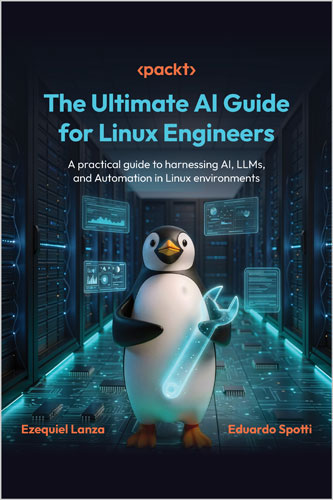
A practical guide to harnessing AI, LLMs, and Automation in Linux environments
Ezequiel Lanza, Eduardo Spotti
#Linux
#AI
#LLM
#CPU
#GPU
#RAG
#PyTorch
#LangChain
#Cloud-Native
#Observability
#Docker
#Kubernetes
🤖 یاد بگیر چطور هوش مصنوعی را وارد محیطهای لینوکسی کنی و با استفاده از اتوماسیون واقعی، Observability و روشهای مقیاسپذیر استقرار، زیرساختهای مدرن را هوشمندتر کنی.
📌 ویژگیهای کلیدی
🚀 استفاده از AI در لینوکس؛ از مفاهیم پایه تا استقرارهای آماده پروداکشن در مقیاس بزرگ.
🤖 ساخت اتوماسیون هوشمند با استفاده از LLMها، RAG و AI Agentها برای مانیتورینگ، عیبیابی و مدیریت سیستمها.
☁️ استقرار بارهای کاری AI بهصورت امن و مقیاسپذیر با استفاده از Docker، Kubernetes و بهترین شیوههای Cloud-Native.
📖 معرفی کتاب
🐧 کتاب The Ultimate AI Guide for Linux Engineers یک راهنمای کاملاً عملی برای استفاده از هوش مصنوعی در سیستمهای لینوکسی واقعی است.
🧠 در این کتاب مفاهیم AI، Machine Learning و Large Language Models (LLMs) را از حالت مبهم و تئوری خارج میکنی و یاد میگیری چطور از آنها در محیطهای عملیاتی استفاده کنی.
⚙️ ابتدا محیطهای لینوکسی مناسب برای اجرای بارهای کاری مبتنی بر CPU و GPU را آماده میکنی و سپس با ابزارها و فریمورکهای متنباز مهمی مثل PyTorch، Hugging Face Transformers، LangChain و OpenVINO کار میکنی.
🔄 بعد از یادگیری مبانی، وارد سناریوهای واقعی عملیات میشی و AI Agentها و Workflowهای Agentic میسازی تا کارهای مدیریت سیستم را خودکار کنی.
📊 یاد میگیری چطور LLMها را به پایپلاینهای مانیتورینگ و عیبیابی متصل کنی و از Retrieval-Augmented Generation (RAG) برای جستجو و تحلیل لاگها، مستندات و پایگاههای دانش داخلی استفاده کنی.
🚨 همچنین با استفاده از اتوماسیون هوشمند، قابلیتهای Observability و فرآیندهای پاسخگویی به رخدادها (Incident Response) را بهبود میدی.
☁️ در ادامه، نحوه استقرار و مقیاسدهی سرویسهای AI با استفاده از Docker، Kubernetes و معماریهای Cloud-Native را یاد میگیری.
🔐 علاوه بر این، پیادهسازی لایههای امنیتی، محافظت از حریم خصوصی و مکانیزمهای کنترلی (Guardrails) برای مدلهای هوش مصنوعی را نیز پوشش میدی.
🏢 در نهایت یاد میگیری چطور Workflowهای مبتنی بر AI را برای محیطهای سازمانی لینوکس بهصورت قابل اعتماد طراحی و اجرا کنی.
🎯 در پایان کتاب، یک چارچوب عملی در اختیار داری که بهت کمک میکنه AI را بهصورت امن و مقیاسپذیر وارد فرآیندهای کاری لینوکس کنی.
📚 در این کتاب چه چیزهایی یاد میگیری؟
⚙️ بهینهسازی کرنل لینوکس و GPUها برای بارهای کاری AI.
🔄 اجرای و مدیریت پایپلاینهای LLM در سیستمهای توزیعشده.
🤖 طراحی Workflowهای Agentic برای عملیات خودکار و مستقل.
📋 پیادهسازی RAG روی لاگها و گرافهای دانش داخلی.
📊 ادغام AI با سیستمهای Observability و فرآیندهای دستهبندی و تحلیل رخدادها.
☁️ استقرار میکروسرویسهای مقیاسپذیر AI روی Kubernetes.
🔐 اعمال سیاستهای امنیتی، ایزولهسازی و Model Guardrailها.
👥 این کتاب برای چه کسانی مناسب است؟
🐧 مهندسان لینوکس، مدیران سیستم، متخصصان DevOps، مهندسان SRE و مهندسان پلتفرم که میخوان AI را وارد زیرساختها و عملیات واقعی کنند.
💻 انتظار میره تجربه عملی کار با لینوکس، خط فرمان و مفاهیم پایه مدیریت سیستم داشته باشی.
📦 آشنایی با Docker، Kubernetes و اسکریپتنویسی با Bash یا Python کمک بزرگی خواهد بود.
🧠 داشتن دانش قبلی در زمینه AI یا Machine Learning مفیده، اما ضروری نیست؛ چون مفاهیم اصلی به زبان عملیاتی و متناسب با دنیای لینوکس توضیح داده میشن.
📑 فهرست مطالب
✍️ درباره نویسندگان
👨💻 ادواردو اسپوتی یکی از متخصصان باتجربه حوزه Cloud-Native و Kubernetes است که در رویدادهای متعددی از جمله KubeCon، Kubernetes Community Days، AWS Community Days، گروههای کاربری AWS و رویدادهای GitTogether سخنرانی کرده است.
☁️ موضوعات اصلی ارائههای او شامل Kubernetes، توسعه Cloud-Native، امنیت سایبری، FinOps و Generative AI برای مدرنسازی سامانهها در صنایع مخابرات، مالی و SaaS بوده است.
📚 او خالق Kubernetes Adoption Maturity Model است؛ چارچوبی که برای ارزیابی میزان بلوغ سازمانها در استفاده از بهترین شیوههای Kubernetes طراحی شده است.
🏢 اسپوتی روی معماریهای بسیار بزرگ و پیچیده در سازمانهایی مانند Globant، Mercado Libre، Telecom Argentina و Amazon Web Services کار کرده است.
👨💻 ازکیل لانزا یک مروج متنباز هوش مصنوعی (Open Source AI Evangelist) است که مدرک کارشناسی ارشد علوم داده دارد و بیش از ۱۵ سال سابقه توسعه نرمافزار را در کارنامه خود دارد.
🤖 او یکی از طرفداران جدی هوش مصنوعی و Machine Learning است و تاکنون در بیش از ۳۰ کنفرانس بینالمللی از جمله NeurIPS، AAAI Conference on Artificial Intelligence، ODSC و All Things Open سخنرانی کرده است.
🎥 علاوه بر سخنرانی، از طریق ویدئوها، آموزشها، کارگاهها و راهنماهای عملی دانش خود را با جامعه توسعهدهندگان به اشتراک گذاشته است.
🏢 او با شرکتهای بزرگی مانند Amazon Web Services، Google و IBM همکاری داشته و به سازمانها در طراحی و پیادهسازی راهکارهای مبتنی بر AI کمک کرده است.
🌍 لانزا همچنین بهعنوان رئیس و عضو هیئتمدیره LF AI & Data فعالیت میکند و در توسعه اکوسیستم هوش مصنوعی متنباز و گسترش همکاریهای جامعه جهانی AI نقش فعالی دارد.
Learn how to integrate AI into Linux environments with real-world automation, observability, and scalable deployment techniques for modern infrastructure teams
Unlock the power of artificial intelligence to transform Linux infrastructure and operations.
The Ultimate AI Guide for Linux Engineers is a practical, hands-on handbook for applying AI to real-world Linux systems. You will demystify AI, machine learning, and large language models (LLMs) in practice, prepare AI-ready Linux environments for CPU and GPU workloads, and work with containers and essential open-source frameworks such as PyTorch, Hugging Face Transformers, LangChain, and OpenVINO.
Moving into real operational use cases, you will build AI agents and agentic workflows to automate system administration, integrate LLMs into monitoring and troubleshooting pipelines, and apply Retrieval-Augmented Generation (RAG) to query logs, documentation, and internal knowledge bases. You will also enhance observability and incident response with intelligent automation.
Finally, you will learn how to deploy and scale AI services using Docker, Kubernetes, and cloud-native architectures, implement security and privacy guardrails, and design reliable AI-driven workflows for enterprise Linux environments.
By the end, you will have a practical framework to integrate AI into Linux workflows securely and at scale.
This book is for Linux engineers, system administrators, DevOps professionals, SREs, and platform engineers who want to integrate AI into real-world infrastructure and operations. Prior hands-on experience with Linux, the command line, and basic system administration is expected. Some familiarity with containers (Docker), Kubernetes, and scripting (Bash or Python) would be helpful. Prior AI or machine learning knowledge is beneficial but not required, as core concepts are explained in practical Linux terms.
Eduardo Spotti is an experienced cloud-native and Kubernetes specialist who has delivered multiple public presentations at KubeCon, Kubernetes Community Days, AWS Community Days, AWS User Groups, and GitTogether events. His speaking topics include Kubernetes, cloud-native development, cybersecurity, FinOps, and Generative AI for modernization across telecom, finance, and SaaS industries.
He is the author of the Kubernetes Adoption Maturity Model, a framework designed to evaluate and measure the adoption of Kubernetes best practices as a foundational platform for building scalable products.
Eduardo has worked on highly complex, large-scale architectures across major organizations in Latin America, including Globant, Mercado Libre, Telecom, and Amazon Web Services.
Ezequiel Lanza is an Open Source AI Evangelist with a Master's degree in Data Science and over 15 years of development experience. A passionate advocate for artificial intelligence and machine learning, he has presented at more than 30 conferences (Kubecon/NeurIPS/AAAI/AIdev/ODSC/All Things Open, among others), workshops, and webinars, sharing expertise through videos, tutorials, and hands-on guides. He has collaborated with major companies, including AWS, Google, and IBM, helping organizations design and implement AI solutions. He is deeply involved in developing practical AI tutorials, use cases, and adoption strategies for developers and organizations, and contributes to LF AI & Data as a Chair and Board Member, advancing open-source AI initiatives and fostering collaboration across the community.