ثبت نام / ورود
0
ثبت نام / ورود
0
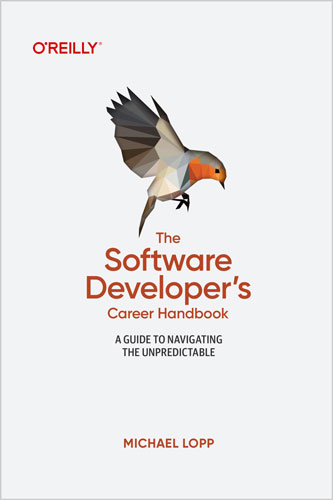
A Guide to Navigating the Unpredictable
Michael Lopp
#Software_Developer
#Management
📘 یه جایی تو مسیر حرفهایت به این نتیجه میرسی که مهندس نرمافزار بودن فقط یعنی سر و کله زدن با کد نیست. از خودت میپرسی: وقتشه مدیر بشم؟ برم یه استارتاپ؟ تو این کتاب، مایکل لاپ با روایت تجربههای سرنوشتسازش در شرکتهای بزرگی مثل Apple، Slack، Pinterest، Palantir، Netscape و Symantec، کمکت میکنه انتخابهای شغلیت رو آگاهانهتر و عمیقتر انجام بدی.
🧭 این کتاب بیش از ۴۰ داستان مستقل داره و از اولین مصاحبه شروع میکنه تا وقتی که حس میکنی زمان رفتن رسیده. تو این مسیر یاد میگیری چطور موقعیتهای عجیب و غریب محیط کار رو مدیریت کنی، بفهمی واقعاً چی از شغلت میخوای و چطور تو محیط کارت رشد کنی.
📎 نکاتی که یاد میگیری شامل نحوهٔ برخورد با بخشهایی از کاره که اصلاً مربوط به کدنویسی نیست، ساختن روابط کلیدی، انتخابهای شغلی هوشمندانه، و درک بهتر مدیرت و چیزهایی که براش مهمه.
فهرست مطالب
📂 سالهاست هر کاری مربوط به هوش مصنوعی یا یادگیری ماشین رو با شوخی «کار روباتها» صدا میکنم. وقتی میپرسم «این لیست رو آدم ساخته یا روبات؟» دارم درباره استفاده از ML سؤال میپرسم. دارم یه سیستم پیچیده رو به یه سؤال ساده تقلیل میدم: «این کار رو انسان انجام داده یا ماشین؟»
🏷️ من آدمیام که از برچسب زدن خوشم میاد؛ دنیا رو قابلفهمتر میکنه.
📚 اولین کتابم رو Managing Humans نامگذاری کردم، خیلی قبلتر از تبِ هوش مصنوعی دههٔ ۲۰۲۰. این هم یکی از اون برچسبهایی بود که حرف زیاد رو با کلمات کم منتقل میکرد.
📕 این کتاب در نسخهٔ اولیهش با عنوان Being Geek منتشر شده بود—که دیگه اسمش این نیست. سال ۲۰۱۰ موج صحبت دربارهٔ گیکها و نِردها داغ بود و من هم زیاد از این فضا فاصله گرفته بودم و دربارهٔ ذهنیت گیکی صحبت میکردم.
📝 اما هرچی جلوتر نوشتم، بیشتر دیدم عنوان کتاب با محتوایی که دربارهٔ رهبری مینوشتم همخوان نیست. آخر کتاب دوباره برگشتم به ریشههای خودم: رهبری.
📈 با وجود این تناقض، کتاب همچنان فروش داشت و مدام ازم دربارهش سؤال میشد. پرفروش نبود، ولی دوام آورد.
💬 یه روز فیلیپ شارپ از جامعهٔ Rands Leadership Slack پیشنهاد داد: «ویرایش دوم چی؟» وقتی دوباره کتاب رو ورق زدم، دیدم واقعاً مطلب خوب زیاد داره.
📑 چند هفته بعد با O’Reilly دربارهٔ بازنویسی صحبت کردم و رسیدیم به عنوان جدید: The Software Developer’s Career Handbook — طولانیه، اما دقیقتر.
🛠️ توی این ویرایش هشت فصل جدید اضافه شده، واژهٔ geek تقریباً حذف شده و چند فصل تاریخمصرفگذشته هم حذف یا بهروز شده.
🌱 ساختار کتاب همچنان با بررسی «کاری که الان داری» شروع میشه و با «کاری که بعدش میخوای» تموم. اما وسط کتاب پر از نکاتی دربارهٔ آدمها، فرهنگ، مدیرها و ارتباطاته. و همچنان با صدای یک رهبر تازهکار روایت میشه—و این صدا در دنیای پرشتاب تکنولوژی خیلی ارزشمنده.
🔖 راوی کتاب با نام مستعار Rands صحبت میکنه؛ اسم مستعاری که سالها استفاده کردم تا یک فاصلهٔ حرفهای ایجاد کنم. تقریباً همهٔ اسمها و موقعیتها هم ساختگیان تا داستان بهتر منتقل بشه.
📜 و اینجا… داستان شروع میشه.
دربارهٔ نویسنده
🛠️ مایکل لاپ یک رهبر باتجربه در سیلیکونولیه که هم تیم میسازه و هم محصول—در شرکتهایی مثل Slack، Borland، Netscape، Palantir، Pinterest و Apple. وقتی نگران «مرتبط ماندن» نیست، تو وبلاگ معروفش Rands in Repose دربارهٔ رهبری، پلها(!)، قهرمانها و آدمها مینویسه.
🚴♂️ مایکل دوچرخههایی داره که همشون اسم دارن، دربارهٔ نقطهویرگولها فکر میکنه، شراب قرمز مینوشه و وسط درختهای بلند کالیفرنیا سعی میکنه بفهمه جنگلها چطور کار میکنن—چون کنجکاوی همون چیزیه که باعث رشد میشه.
At some point in your career, you'll realize there's more to being a software engineer than dealing with code. Is it time to become a manager? Or join a startup? In this insightful and entertaining book, Michael Lopp recalls his own make-or-break moments with Silicon Valley giants such as Apple, Slack, Pinterest, Palantir, Netscape, and Symantec to help you make better, more mindful career decisions.
With more than 40 stand-alone stories, Lopp walks through a complete job lifecycle, starting with the interview and ending with the realization that it might be time to move on. You'll learn how to handle baffling circumstances in your job, understand what you want from your career, and discover how to thrive in your workplace.
Table of Contents
Part I. Building a Career Playbook
Chapter 1. How to Win
Chapter 2. A List of Three
Chapter 3. The Itch
Chapter 4. The Sanity Check
Chapter 5. The Nerves
Chapter 6. The Button
Chapter 7. The Business
Part II. Deconstructing Management
Chapter 8. Your Best Work
Chapter 9. The Culture Chart
Chapter 10. Managing Managers
Chapter 11. Managing Up
Chapter 12. The Leaper
Chapter 13. The Enemy
Chapter 14. The Impossible
Chapter 15. Knee Jerks
Chapter 16. Invest in the Boring
Chapter 17. Gaming the System
Chapter 18. Managing Werewolves
Chapter 19. BAB
Chapter 20. Your People
Chapter 21. Wanted
Chapter 22. The Toxic Paradox
Chapter 23. By Design
Chapter 24. The Core of Kindness
Part Ill. Your Daily Toolkit
Chapter 25. The Nerd Handbook
Chapter 26. The Taste of the Day
Chapter 27. The Trickle List
Chapter 28. What We Lost
Chapter 29. The Foamy Rules for Rabid Tools
Chapter 30. Up to Nothing
Chapter 31. How to Not Throw Up
Chapter 32. Out Loud
Chapter 33. Bits, Features, and Truth
Chapter 34. The Reveal
Chapter 35. The Sabotage List
Chapter 36. Check Your Work, Ask for Help, and Slow Down
Chapter 37. OK. So, You Can’t Decide
Part IV. Your Next Gig
Chapter 38. The Screw-Me Scenario
Chapter 39. No Surprises
Chapter 40. A Deliberate Career
Chapter 41. The Curse of Silicon Valley
Chapter 42. A Disclosure
Chapter 43. Mind the Gap
Chapter 44. The Cello in Soho Square
Chapter 45. The Exodus
Chapter 46. Bad News About Your Bright Future
For years, any work related to artificial intelligence or machine learning I’ve called work done by robots. For example, if I’m asking, “Is this list generated by humans or robots?” I’m asking whether machine learning was done to generate this list. I’m distilling a complex ecosystem down to the most basic elements by asking, “Is this work done by humans or robots?”
I like labeling things. It makes the world easier to understand.
The title I chose for my first book was Managing Humans. That book arrived long before the AI fever that gripped the mid-2020s when this book was published but is another example of my predilection of finding a descriptive label. It’s a handy way to say more with fewer words.
This book was originally published as Being Geek, which you will notice is no longer the title. At the time of its writing, 2010, the buzz around nerds and geeks was strong. I did a lot of public speaking, where I was describing the nerd and geek mindset. The idea of swerving away from my leadership roots was an exciting detour.
As I wrote the book, I became increasingly frustrated by the title. Much of my writing is focused on leadership, and as I wrote each next chapter, I was forcing “geek”—somehow, anyhow—in the book. By the time I was finishing the book, I’d fully returned to my leadership roots. I was writing another book on leadership.
This dissonance stuck with me long after its publication. Compared to the first book, my impression was that this book was a dud, but it wasn’t. Like Managing Humans, the original text continued to sell. I continued to get asked about it. It wasn’t a best seller, but it had legs.
One inbound comment came from Philip Sharp at the Rands Leadership Slack community: “What about a second edition?” Revision was on my mind as I was finishing the fourth edition of the first book, so I grabbed it and skimmed it. Oh, there’s some good writing here.
A few weeks later, I pitched O’Reilly on a revision, and we discussed my unease with the first book and found a new title, the subtitle of the first book: The Software Developer’s Career Handbook. It’s a mouthful but a stronger description of this work.
In addition to adding eight new chapters to this book, I’ve mostly cauterized the term geek from this book. This was easier than expected because, as a person who mostly wanted to write about leadership, I could replace the word geek with engineer or, in other cases, leader with no further edits. Through the editing process, we’ve also dropped a few chapters that did not age well and modernized chapters where aging technology dated a chapter.
Finally, this book still starts and finishes with a consideration of your current job and then your next job. Still, the middle contains helpful advice about understanding humans, leaders, culture, and communication. For the careful observers of my career, you’ll notice the leadership portions are focused on the mindset of a first-time leader. This book was originally written before I attempted the role of an executive, and I stayed true to this voice as I revised it. I think there’s an important place for the voice of a first-time leader in the rapid growth world of technology.
A final label. The narrator throughout this book is Rands. This is a pseudonym I’ve been using for decades. The comfortable anonymity of Rands provides a professional distance from the topics I cover. Similarly, just about every proper name and situation described in this book is fake. They’ve been deliberately constructed in order to tell a tale.
And that tale starts now.
Michael Lopp is a veteran Silicon Valley-based engineering leader who builds both people and products at historic companies such as Slack, Borland, Netscape, Palantir, Pinterest, and Apple. When he's not deeply concerned with staying relevant, he writes about leadership, bridges, superheroes, and humans at the popular weblog Rands in Repose. This is the way.
Michael also rides bikes which each have names, wonders about semicolons, drinks red wine, and tries to understand how forests work amongst the redwoods of Northern California because curiosity is how you grow.