ثبت نام / ورود
0
ثبت نام / ورود
0
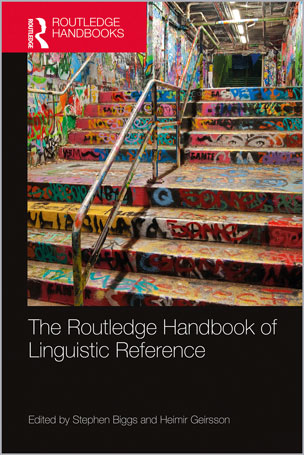
Stephen Biggs, Heimir Geirsson
#Linguistic
#Philosophy
#language
#Semantics
This Handbook offers students and more advanced readers a valuable resource for understanding linguistic reference; the relation between an expression (word, phrase, sentence) and what that expression is about. The volume’s forty-one original chapters, written by many of today’s leading philosophers of language, are organized into ten parts:
Table of Contents
Part I. Early Descriptive Theories
1. The Concept of Linguistic Reference before Frege
2. Frege on Reference
3. Fregean Descriptivism
4. The Referential-Attributive Distinction
Part II. Causal Theories of Reference
5. The Case(s) against Descriptivism
6. Fruits of the Causal Theory of Reference
7. The Problem of Reference Change
Part III. Causal Theories and Cognitive Significance
8. Cognitive Significance
9. Conversational Implicature in Belief Reports
10. Context Sensitivity and 'Believes'
11. A Return to Simple Sentences
12. Eliciting and Conveying Information
Part IV. Alternate Theories
13. Causal Descriptivism
14. Reference-Fixing and Presuppositions
15. Names as Predicates
16. Variabilism
Part V. Two-Dimensional Semantics
17. Two-Dimensional Semantics
18. Two-Dimensional Semantics and Identity Statements
19. Two-Dimensionalism and the Foundation of Linguistic Analysis
20. A Puzzle about Assertion
Part VI. Natural Kind Terms and Rigidity
21. Rigidity of General Terms
22. The Psychology of Natural Kind Terms
23. Pervasive Externalism
24. Theoretical Identities as Necessary and a priori
25. The Need for Descriptivism
26. The Accommodation Theory of Reference
27. Science, the Vernacular and the 'Qua' Problem
Part VII. The Empty Case
28. Mill and the Missing Referents
29. Fregean Theories of Names from Fiction
Part VIII. Singular (De Re) Thoughts
30. Reference and Singular Thought
31. Singular Thoughts, Sentences and Propositions of That Which Does Not Exist
32. Names and Singular Thought
Part IX. Indexicals
33. How Demonstratives and Indexicals Really Work
34. Demonstrative Reference to the Unreal: The Case of Hallucinations
35. What is Special about De Se Attitudes?
36. De Se Attitudes and Action
37. Acting without Me: Corporate Agency and the First Person Perspective
38. Semantic Monsters
Part X. Epistemology of Reference
39. Cross-Cultural Semantics at 15
40. Reference and Intuitions
41. The Myth of Quick and Easy Intuitions
Contributions consider what kinds of expressions actually refer (names, general terms, indexicals, empty terms, sentences), what referring expressions refer to, what makes an expression refer to whatever it does, connections between meaning and reference, and how we know facts about reference. Many contributions also develop connections between linguistic reference and issues in metaphysics, epistemology, philosophy of mind, and philosophy of science.
About the Authors
Stephen Biggs is Associate Professor of Philosophy at Iowa State University. He researches and teaches in philosophy of mind and language, epistemology, and cognitive science.
Heimir Geirsson is Professor and Chair of the Department of Philosophy and Religious Studies at Iowa State University. He works primarily in philosophy of language, philosophy of mind, epistemology, and metaethics, and is the author of Philosophy of Language and Webs of Information (2013).