ثبت نام / ورود
0
ثبت نام / ورود
0
#PyPSA
#Energy
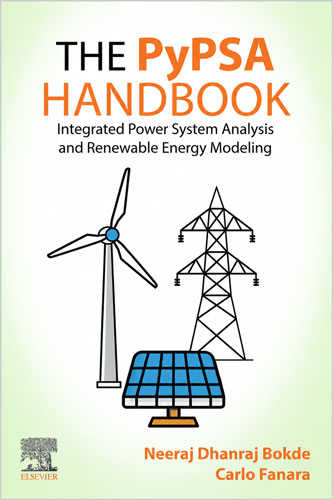
⚡ کتاب The PyPSA Handbook راهنمایی جامع برای کار با پلتفرم متنباز PyPSA در مدلسازی سیستمهای انرژی مدرن است. این کتاب از مفاهیم پایه تحلیل سیستمهای انرژی آغاز میکند، یک چارچوب نظری روشن میسازد و سپس به موضوعهای پیشرفتهتری مانند یکپارچهسازی انرژیهای تجدیدپذیر، ذخیرهسازی انرژی، توسعه شبکه، پایداری سیستم و روندهای آینده میپردازد.
🔋 کتاب هم برای کاربران تازهکار و هم برای کاربران باتجربه طراحی شده است و با استفاده از مثالهای مرحلهای، تمرینهای عملی و مطالعات موردی واقعی، یادگیری مفاهیم را سادهتر میکند.
💻 یکی از نقاط قوت کتاب، ارائه کدهای آماده اجرا برای PyPSA است که به خواننده اجازه میدهد مفاهیم نظری را مستقیماً در محیط عملی پیادهسازی و آزمایش کند.
🌍 این اثر منبعی ارزشمند برای دانشجویان، پژوهشگران و متخصصانی است که در حوزه سیستمهای قدرت، انرژیهای تجدیدپذیر، برنامهریزی شبکه و مدلسازی انرژی فعالیت میکنند.
✨ ویژگیهای کلیدی کتاب
📖 فهرست مطالب
فصل ۱. مقدمهای بر PyPSA و مدلسازی متنباز سیستمهای انرژی
فصل ۲. شروع کار با PyPSA
فصل ۳. مدلسازی اجزا در PyPSA
فصل ۴. تکنیکهای پیشرفته مدلسازی در PyPSA
فصل ۵. کربنزدایی و یکپارچهسازی انرژیهای تجدیدپذیر
فصل ۶. ریزشبکهها و منابع انرژی توزیعشده
فصل ۷. برنامهریزی و توسعه شبکه انتقال
فصل ۸. قابلیت اطمینان و تابآوری در سیستمهای قدرت
فصل ۹. یکپارچهسازی PyPSA با ابزارهای دیگر
فصل ۱۰. روندها و چالشهای آینده
📝 نقد و بررسی
💭 «راهنمایی ضروری برای نرمافزار متنباز PyPSA که مهارتهای پایه و پیشرفته مدلسازی و تحلیل سیستمهای انرژی را برای دانشگاهیان، متخصصان و دانشجویان توسعه میدهد.»
📕 متن پشت جلد
⚙️ کتاب The PyPSA Handbook: Integrated Power System Analysis and Renewable Energy Modeling راهنمایی منحصربهفرد برای کار با یکی از مهمترین برنامههای متنباز در مدلسازی سیستمهای پیچیده و مدرن انرژی و چالشهای آنهاست.
📚 کتاب با مفاهیم بنیادی برنامه و تحلیل سیستمهای انرژی آغاز میشود، پیشزمینه نظری را بهروشنی توضیح میدهد و پایهای محکم برای درک روششناسی PyPSA فراهم میکند.
🔬 سپس مطالب بهتدریج به سمت مدلسازی و تحلیل سیستمهای پیچیدهتر پیش میروند؛ بهگونهای که حتی برای کاربران باتجربه نیز کاربردی هستند. موضوعهایی مانند یکپارچهسازی انرژیهای تجدیدپذیر، چالشهای ذخیرهسازی انرژی، برنامهریزی توسعه شبکه، مسائل پایداری و تحولات آینده در این بخشها بررسی میشوند.
🧩 وجود مثالها و تمرینهای چندسطحی باعث شده این کتاب هم برای یادگیری مبانی و هم برای توسعه مهارتهای پیشرفته مناسب باشد و به منبعی ضروری برای دانشجویان، پژوهشگران و متخصصان سیستمهای انرژی تبدیل شود.
👥 درباره نویسندگان
🎓 دکتر نیراج دانراج بوکده پژوهشگر ارشد در Technology Innovation Institute (TII) در ابوظبی است و بیش از ۱۲ سال تجربه میانرشتهای در حوزه انرژیهای تجدیدپذیر، علم داده و هوش مصنوعی دارد.
🔬 او سابقه فعالیت دانشگاهی در دانشگاه آرهوس دانمارک و مشارکت در پژوهشهای کاربردی در DEWA و VNIT Nagpur را دارد. دکتر بوکده ابزارهای متنباز متعددی با زبانهای R و Python برای تحلیل داده، پیشبینی و بهینهسازی توسعه داده است.
🌱 پژوهشهای او با تمرکز بر مدلسازی شفاف، تحلیل پیشرفته و برنامهریزی یکپارچه، از گذار انرژی پشتیبانی میکنند. او مقالات متعددی در حوزه مدلسازی انرژی، یکپارچهسازی منابع تجدیدپذیر و پشتیبانی تصمیمگیری مبتنی بر داده منتشر کرده است.
🎓 دکتر کارلو فانارا مدیر اجرایی تیم مدلسازی انرژی در Technology Innovation Institute (TII) در ابوظبی است.
⚛️ او تجربه گستردهای در فیزیک هستهای و پلاسما، علم مواد و یادگیری ماشین دارد و در محیطهای دانشگاهی و صنعتی مختلف در اروپا فعالیت کرده است.
🔬 دکتر فانارا دارای مدرک دکتری فیزیک پلاسما است و پژوهشهایی در زمینه پرتوهای انرژی، سیستمهای تشخیصی و مدلسازی دادهمحور هدایت کرده است.
💻 فعالیتهای فعلی او بر توسعه تحلیل سیستمهای انرژی با استفاده از محاسبات با کارایی بالا، طراحی الگوریتم و علم داده کاربردی تمرکز دارند.
🏅 او عضو بخش Nuclear and Plasma Physics در IEEE و عضو عادی ACM است.
The PyPSA Handbook: Integrated Power System Analysis and Renewable Energy Modeling is a comprehensive guide to the landmark open-source platform for modeling modern energy systems. Starting from core concepts in energy system analysis, the book builds a clear theoretical foundation before progressing to advanced topics such as renewable integration, storage, grid expansion, system stability, and future developments. Designed for both newcomers and experienced users, it features layered examples, hands-on exercises, and real-world case studies. This book is an indispensable resource for students, researchers, and energy professionals.
Table of Contents
1. Introduction to PyPSA and Open Energy System Modeling
2. Getting Started with PyPSA
3. Modeling Components in PyPSA
4. Advanced Modeling Techniques in PyPSA
5. Decarbonization and Renewable Integration
6. Microgrids and Distributed Energy Resources
7. Transmission Planning and Expansion
8. Reliability and Resilience in Power Systems
9. Integrating PyPSA with Other Tools
10. Future Trends and Challenges
An essential guidebook to the open-source program PyPSA, that builds foundational and advanced skills in energy system modelling and analysis for academics, professionals, and students
The PyPSA Handbook: Integrated Power System Analysis and Renewable Energy Modeling’ is a unique guide to the landmark open-source program for modelling complex modern energy systems and their challenges. Beginning with fundamental concepts of the program and energy systems analysis, this book clearly outlines theoretical background and provides a firm foundation in PyPSA methodology. It moves steadily towards complex system modelling and analysis suitable even for the experienced user, including renewable integration, energy storage challenges, grid expansion planning, stability issues, and future developments. Including layered examples and exercises appropriate for both foundational and advanced practitioners, The PyPSA Handbook is an indispensable new resource for students, academics, and professionals working on energy systems.
Dr. Neeraj Dhanraj Bokde is a Lead Researcher at the Technology Innovation Institute (TII), Abu Dhabi, with over 12 years of interdisciplinary experience in renewable energy, data science, and AI. He has held academic positions at Aarhus University in Denmark and contributed to applied research at DEWA and VNIT Nagpur. Dr. Bokde develops open-source tools in R and Python for data analysis, forecasting, and optimization. His work supports the energy transition through transparent modeling, advanced analytics, and integrated planning strategies. He has published extensively in the fields of energy modeling, renewable integration, and data-driven decision support.Dr. Carlo Fanara is Executive Director of the Energy Modelling team at the Technology Innovation Institute (TII), Abu Dhabi. He has extensive experience spanning nuclear and plasma physics, materials science, and machine learning, and has held academic and industrial roles across Europe. He holds a Ph.D. in plasma physics and has led research in energy beams, diagnostics systems, and data-driven modeling. His current work focuses on advancing energy systems analysis through high-performance computing, algorithm design, and applied data science. He is member of the IEEE Nuclear and Plasma Physics division and ordinary member of the ACM.