ثبت نام / ورود
0
ثبت نام / ورود
0
Robert L. Jaffe, Washington Taylor
#Physics
#Energy
#Thermodynamics
⚡ فیزیک انرژی یه معرفی کامل و منظم از اصول علمیایه که پشت سیستمها، منابع و کاربردهای انرژی قرار دارن.
🔆 این کتاب جریان انرژی رو از منبعها (مثل انرژی خورشیدی، هستهای، بادی، آبی و سوختهای فسیلی) میگیره، تا مرحله تبدیلش داخل دستگاهها (مثل موتورهای حرارتی و ژنراتورهای برق)، و بعد هم چطور این انرژی برای حملونقل، گرمایش، سرمایش و کلی کاربرد دیگه استفاده میشه رو توضیح میده.
🌍 جریان انرژی از جو زمین و اقیانوسها بررسی میشه، و موضوعات سیستمی مثل ذخیرهسازی، شبکه برق، بهرهوری و صرفهجویی، هم کنار مباحثی مثل تابش ناشی از انرژی هستهای و تغییرات اقلیمی ناشی از سوختهای فسیلی، همه با نگاه علمی توضیح داده شدن.
👨🔬 این کتاب برای دانشجوها، دانشمندا، مهندسا، آدمای حرفهای صنعت انرژی و حتی شهروندایی که کمی پایه ریاضی و علمی دارن و میخوان با دید کمی (quantitative) انرژی و مسائلش رو بفهمن، خیلی جذابه.
👨🏫 رابرت ال. جافی: استاد فیزیک در MIT و دارنده کرسی Morningstar. قبلاً مدیر مرکز فیزیک نظری MIT بوده و ریاست کمیته امور عمومی انجمن فیزیک آمریکا رو هم برعهده داشته. بیشتر بهخاطر تحقیقاتش روی زیرساخت کوارکی پروتون و ذرات برهمکنشی قوی، حالات نامعمول ماده، و ساختار کوانتومی خلأ شناخته میشه. مدرک کارشناسی رو از پرینستون و دکترا رو از استنفورد گرفته. برای تدریس و توسعه دورهها در MIT جوایز زیادی گرفته، از جمله بورسیه معتبر MacVicar، و عضو آکادمی هنر و علوم آمریکاست.
👨🏫 واشنگتن تیلور: استاد فیزیک در MIT و مدیر فعلی مرکز فیزیک نظری این دانشگاه. تحقیقاتش روی سوالات بنیادی فیزیک ذرات و گرانش متمرکزه. توی نظریه ریسمان و ارتباطش با محدودیتهای نظریههای میدان کمانرژی و فیزیک قابل مشاهده، و حتی نتایج جدید ریاضی، سهم زیادی داشته. کارشناسی ریاضی رو از استنفورد و دکترا رو از UC برکلی گرفته. از افتخاراتش میشه به بورسیه Sloan، جایزه Junior Investigator وزارت انرژی آمریکا، و جایزه تدریس Buechner در MIT اشاره کرد.
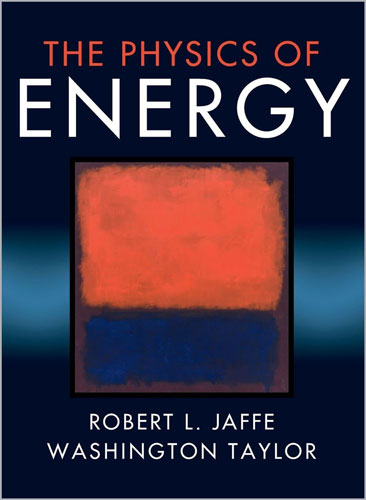
The Physics of Energy provides a comprehensive and systematic introduction to the scientific principles governing energy sources, uses, and systems. This definitive textbook traces the flow of energy from sources such as solar power, nuclear power, wind power, water power, and fossil fuels through its transformation in devices such as heat engines and electrical generators, to its uses including transportation, heating, cooling, and other applications. The flow of energy through the Earth's atmosphere and oceans, and systems issues including storage, electric grids, and efficiency and conservation are presented in a scientific context along with topics such as radiation from nuclear power and climate change from the use of fossil fuels.
Students, scientists, engineers, energy industry professionals, and concerned citizens with some mathematical and scientific background who wish to understand energy systems and issues quantitatively will find this textbook of great interest.
Table of Contents
Part I Basic Energy Physics and Uses
1 Introduction
2 Mechanical Energy
3 Electromagnetic Energy
4 Waves and Light
5 Thermodynamics I: Heat and Thermal Energy
6 Heat Transfer
7 Introduction to Quantum Physics
8 Thermodynamics II: Entropy and Temperature
9 Energy in Matter
10 Thermal Energy Conversion
11 Internal Combustion Engines
12 Phase-change Energy Conversion
13 Thermal Power and Heat Extraction Cycles
Part II Energy Sources
14 The Forces of Nature
15 Quantum Phenomena in Energy Systems
16 An Overview of Nuclear Power
17 Structure, Properties, and Decays of Nuclei
18 Nuclear Energy Processes: Fission and Fusion
19 Nuclear Fission Reactors and Nuclear Fusion Experiments
20 Ionizing Radiation
21 Energy in the Universe
22 Solar Energy: Solar Production and Radiation
23 Solar Energy: Solar Radiation on Earth
24 Solar Thermal Energy
25 Photovoltaic Solar Cells
26 Biological Energy
27 Ocean Energy Flow
28 Wind: A Highly Variable Resource
29 Fluids: The Basics
30 Wind Turbines
31 Energy from Moving Water: Hydro, Wave, Tidal. and Marine Current Power
32 Geothermal Energy
33 Fossil Fuels
Part Ill Energy System Issues and Externalities
34 Energy and Climate
35 Earth's Climate: Past, Present, and Future
36 Energy Efficiency, Conservation, and Changing Energy Sources
37 Energy Storage
38 Electricity Generation and Transmission
Robert L. Jaffe holds the Morningstar Chair in the Department of Physics at Massachusetts Institute of Technology (MIT). He was formerly director of MIT's Center for Theoretical Physics and recently chaired the American Physical Society's Panel on Public Affairs. Jaffe is best known for his research on the quark substructure of the proton and other strongly interacting particles, on exotic states of matter, and on the quantum structure of the vacuum. He received his B.A. from Princeton and his Ph.D. from Stanford. In recognition of his contributions to teaching and course development at MIT, Jaffe has received numerous awards including a prestigious MacVicar Fellowship. Jaffe is a member of the American Academy of Arts and Sciences.
Washington Taylor is a Professor of Physics at Massachusetts Institute of Technology (MIT), and is currently the Director of MIT's Center for Theoretical Physics. Taylor's research is focused on basic theoretical questions of particle physics and gravity. Taylor has made contributions to our understanding of fundamental aspects of string theory and its set of solutions, including connections to constraints on low-energy field theory and observable physics and to new results in mathematics. Taylor received his B.A. in mathematics from Stanford and his Ph.D. in physics from University of California, Berkeley. Among other honors, Taylor has been an Alfred P. Sloan Research Fellow and a Department of Energy Outstanding Junior Investigator, and has received MIT's Buechner faculty teaching prize.