ثبت نام / ورود
0
ثبت نام / ورود
0
Platonism and Rationalism in Mathematics and Logic
Steven H. Simon
#Solid_State
#physics
#microscopics
#atom
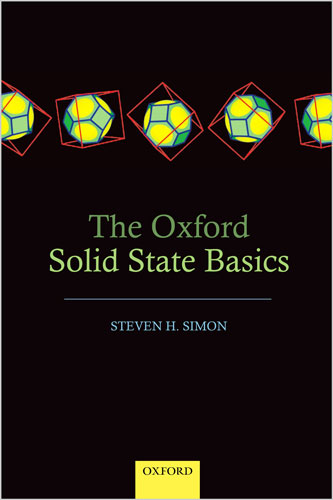
⚛️ مطالعه جامدات یکی از غنیترین، هیجانانگیزترین و موفقترین شاخههای فیزیک است. اگرچه فیزیک حالت جامد اغلب موضوعی خشک و دشوار تلقی میشود، این کتاب با رویکردی متفاوت، اصول بنیادی و دستاوردهای بزرگ علمی این حوزه را بهشکلی جذاب ارائه میدهد.
🔬 نویسنده با بررسی نقش مطالعه ظرفیت گرمایی جامدات در آغاز انقلاب کوانتومی، مفاهیم کلیدی فیزیک حالت جامد و فیزیک ماده چگال را معرفی میکند و بر درک عمیق اصول زیربنایی آنها تأکید دارد.
📐 کتاب با مدلهای اینشتین و دبای برای گرمای ویژه و نظریههای دروده و زومرفلد درباره الکترونهای موجود در جامدات آغاز میشود. این نظریهها بدون نیاز به شناخت ساختار بلوری قابلدرک هستند، اما محدودیتهای آنها ضرورت بررسی دقیقتر ساختار میکروسکوپی مواد را آشکار میسازد.
🧮 در ادامه، مفاهیم بنیادی انتشار امواج در جامدات با استفاده از مدلهای یکبُعدی معرفی میشوند تا خواننده بتواند بدون درگیر شدن با جزئیات پیچیده، اصول فیزیکی را درک کند. پس از آن، مباحث مربوط به مواد واقعی، پیوندهای شیمیایی، ساختارهای بلوری و فضای معکوس مورد بررسی قرار میگیرند.
💎 آزمایشهای پراش بهعنوان یکی از کاربردهای اصلی این مفاهیم، با جزئیات گسترده تشریح میشوند. نویسنده سپس ارتباط میان پراش امواج الکترونی در جامدات و شکلگیری ساختار نواری الکترونی را توضیح میدهد و از این طریق به دستاوردهای فیزیک نیمهرساناها و ادوات نیمهرسانا میرسد.
🧲 بخش پایانی کتاب به مغناطیس و مفاهیم عمیقتر فیزیک ماده چگال اختصاص دارد. محدودیتهای نظریه نواری ناشی از برهمکنش الکترونها، نظم مغناطیسی خودبهخودی و نظریههای میدان میانگین بررسی میشوند. همچنین مدل هابارد (Hubbard Model) با بیانی قابلفهم برای دانشجویان مقطع کارشناسی معرفی میشود.
📚 بیان روشن، پانویسهای توضیحی و گاه سرگرمکننده و تمرکز بر درک مفهومی، این اثر را به یکی از جذابترین منابع مقدماتی برای یادگیری فیزیک حالت جامد تبدیل کردهاند.
🎯 این کتاب برای دانشجویان و علاقهمندان به فیزیک حالت جامد، فیزیک ماده چگال، مکانیک کوانتومی، علم مواد، فیزیک نیمهرساناها و مغناطیس منبعی آموزشی و ارزشمند محسوب میشود.
📖 فهرست مطالب
فصل ۱. درباره فیزیک ماده چگال
بخش اول. فیزیک جامدات بدون در نظر گرفتن ساختار میکروسکوپی: نخستین دوران فیزیک حالت جامد
فصل ۲. گرمای ویژه جامدات: بولتزمن، اینشتین و دبای
فصل ۳. الکترونها در فلزات: نظریه دروده
فصل ۴. بررسی بیشتر الکترونها در فلزات: نظریه الکترون آزاد زومرفلد
بخش دوم. ساختار مواد
فصل ۵. جدول تناوبی عناصر
فصل ۶. چه چیزی جامدات را کنار هم نگه میدارد؟ پیوندهای شیمیایی
فصل ۷. انواع ماده
بخش سوم. مدلهای سادهشده یکبُعدی جامدات
فصل ۸. مدل یکبُعدی تراکمپذیری، صوت و انبساط حرارتی
فصل ۹. ارتعاشات زنجیره تکاتمی یکبُعدی
فصل ۱۰. ارتعاشات زنجیره دواتمی یکبُعدی
فصل ۱۱. زنجیره بستگی محکم (Tight Binding): میانبحث و پیشنگری
بخش چهارم. هندسه جامدات
فصل ۱۲. ساختار بلوری
فصل ۱۳. شبکه معکوس، ناحیه بریلوئن و امواج در بلورها
بخش پنجم. پراش نوترون و پرتو ایکس
فصل ۱۴. پراکندگی امواج توسط بلورها
بخش ششم. الکترونها در جامدات
فصل ۱۵. الکترونها در پتانسیل تناوبی
فصل ۱۶. عایق، نیمهرسانا یا فلز
فصل ۱۷. فیزیک نیمهرساناها
فصل ۱۸. ادوات نیمهرسانا
بخش هفتم. مغناطیس و نظریههای میدان میانگین
فصل ۱۹. خواص مغناطیسی اتمها: پارامغناطیس و دیامغناطیس
فصل ۲۰. نظم مغناطیسی خودبهخودی: فرومغناطیس، پادفرومغناطیس و فریمغناطیس
فصل ۲۱. حوزههای مغناطیسی و پسماند مغناطیسی
فصل ۲۲. نظریه میدان میانگین
فصل ۲۳. مغناطیس ناشی از برهمکنشها: مدل هابارد
پیوستها
پیوست A. نمونه آزمون و پاسخ تشریحی مسائل
پیوست B. فهرست دیگر کتابهای پیشنهادی
👤 درباره نویسنده
🎓 استیون اچ. سایمون (Steven H. Simon) استاد فیزیک نظری ماده چگال در گروه فیزیک دانشگاه آکسفورد و عضو علمی کالج سامرویل این دانشگاه است.
📚 او در سال ۱۹۸۹ مدرک کارشناسی فیزیک و ریاضیات خود را از دانشگاه براون و در سال ۱۹۹۵ مدرک دکتری فیزیک نظری را از دانشگاه هاروارد دریافت کرد. پس از گذراندن دوره دوساله پسادکتری در مؤسسه فناوری ماساچوست (MIT)، به آزمایشگاههای بل (Bell Labs) پیوست و به مدت نه سال در سمت مدیر پژوهش فعالیت کرد.
🔬 پژوهشهای سایمون در حوزه فیزیک ماده چگال و ارتباطات، طیف گستردهای از موضوعات، از انتشار امواج مایکروویو تا ابررسانایی دمای بالا را در بر میگیرند. او به مطالعه پدیدههای کوانتومی و چگونگی ظهور آنها در فازهای مختلف ماده علاقهمند است.
🌐 بخش مهمی از پژوهشهای او به بررسی فازهای توپولوژیک ماده اختصاص دارد؛ فازهایی که تحت تغییرشکلهای هموار فضازمان ناوردا باقی میمانند.
💻 سایمون همچنین امکان بهرهگیری از این فازهای ماده را در پردازش اطلاعات کوانتومی و محاسبات کوانتومی مورد مطالعه قرار میدهد.
The study of solids is one of the richest, most exciting, and most successful branches of physics. While the subject of solid state physics is often viewed as dry and tedious this new book presents the topic instead as an exciting exposition of fundamental principles and great intellectual breakthroughs. Beginning with a discussion of how the study of heat capacity of solids ushered in the quantum revolution, the author presents the key ideas of the field while emphasizing the deep underlying concepts.
The book begins with a discussion of the Einstein/Debye model of specific heat, and the Drude/Sommerfeld theories of electrons in solids, which can all be understood without reference to any underlying crystal structure. The failures of these theories force a more serious investigation of microscopics. Many of the key ideas about waves in solids are then introduced using one dimensional models in order to convey concepts without getting bogged down with details. Only then does the book turn to consider real materials.
Chemical bonding is introduced and then atoms can be bonded together to crystal structures and reciprocal space results. Diffraction experiments, as the central application of these ideas, are discussed in great detail. From there, the connection is made to electron wave diffraction in solids and how it results in electronic band structure. The natural culmination of this thread is the triumph of semiconductor physics and devices.
The final section of the book considers magnetism in order to discuss a range of deeper concepts. The failures of band theory due to electron interaction, spontaneous magnetic orders, and mean field theories are presented well. Finally, the book gives a brief exposition of the Hubbard model that undergraduates can understand.
The book presents all of this material in a clear fashion, dense with explanatory or just plain entertaining footnotes. This may be the best introductory book for learning solid state physics. It is certainly the most fun to read.
Table of Contents
1. About Condensed Matter Physics
Part I. Physics of Solids without Considering Microscopic Structure: The Early Days of Solid State
2. Specific Heat of Solids: Boltzmann, Einstein, and Debye
3. Electrons in Metals: Drude Theory
4. More Electrons in Metals: Sommerfeld (Free Electron) Theory
Part II. Structure of Materials
5. The Periodic Table
6. What Holds Solids Together: Chemical Bonding
7. Types of Matter
Part III. Toy Models of Solids in One Dimension
8. One-Dimensional Model of Compressibility, Sound, and Thermal Expansion
9. Vibrations of a One-Dimensional Monatomic Chain
10. Vibrations of a One-Dimensional Diatomic Chain
11. Tight Binding Chain (Interlude and Preview)
Part IV. Geometry of Solids
12. Crystal Structure
13. Reciprocal Lattice, Brillouin Zone, Waves in Crystals
Part V. Neutron and X-Ray Diffraction
14. Wave Scattering by Crystals
Part VI. Electrons in Solids
15. Electrons in a Periodic Potential
16. Insulator, Semiconductor, or Metal
17. Semiconductor Physics
18. Semiconductor Devices
Part VII. Magnetism and Mean Field Theories
19. Magnetic Properties of Atoms: Para- and Dia-Magnetism
20. Spontaneous Magnetic Order: Ferro-, Antiferro-, and Ferri-Magnetism
21. Domains and Hysteresis
22. Mean Field Theory
23. Magnetism from Interactions: The Hubbard Model
Appendix A. Sample Exam and Solutions
Appendix B. List of Other Good Books
Steven H. Simon, Professor of Theoretical Condensed Matter Physics, Department of Physics, University of Oxford, and Fellow of Somerville College, Oxford.
Professor Steven Simon earned a BSc degree from Brown in Physics & Mathematics in 1989 and a PhD in Theoretical Physics from Harvard in 1995. Following a two-year post-doc at MIT, he joined Bell Labs, where he was a director of research for nine years. He is currently Professor of Theoretical Condensed Matter Physics in the Department of Physics at the University of Oxford, and a Fellow of Somerville College, Oxford.
His research is in the area of condensed matter physics and communication, including subjects ranging from microwave propagation to high temperature superconductivity. He is interested in quantum effects and how they are manifested in phases of matter. He has recently been studying phases of matter known as "topological phases" that are invariant under smooth deformations of space-time. He is also interested in whether such phases of matter can be used for quantum information processing and quantum computation.