ثبت نام / ورود
0
ثبت نام / ورود
0
Christopher Leonard
#Money
#risk
#economic
🏆 بهترین کتاب سال به انتخاب The Wall Street Journal
🏆 پرفروشترین کتاب New York Times
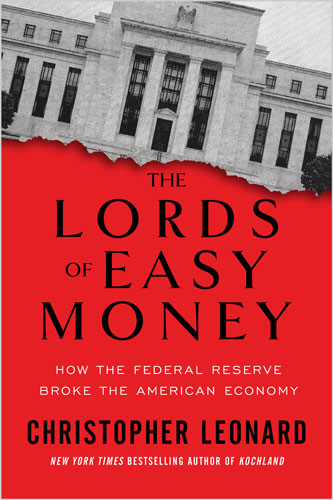
🏦 کتاب The Lords of Easy Money نوشته روزنامهنگار اقتصادی کریستوفر لئونارد به یکی از مرموزترین و قدرتمندترین نهادهای اقتصادی آمریکا، یعنی فدرال رزرو، میپردازد. نویسنده استدلال میکند سیاستهایی که طی دهه گذشته و در دوره ریاست جروم پاول و دیگر مدیران فدرال رزرو دنبال شدهاند، به افزایش نابرابری درآمدی و آسیبپذیرتر شدن ثبات اقتصادی آمریکا کمک کردهاند.
📉 اگر از بیشتر مردم پرسیده شود چه عواملی باعث نابرابری درآمدی شدید امروز و بحرانهای مالی شدهاند، احتمالاً فدرال رزرو نخستین پاسخی نیست که به ذهنشان میرسد. لئونارد توضیح میدهد که فدرال رزرو در بخش بزرگی از تاریخ خود از اعتبار بالایی در رسانهها برخوردار بوده است؛ رشد اقتصادی اغلب به سیاستهای آن نسبت داده شده و پس از بحران مالی ۲۰۰۸ نیز نقش آن در نجات نظام مالی برجسته شده است.
💰 نویسنده در این کتاب روایتی انتقادی از نحوه تغییر اقتصاد آمریکا توسط فدرال رزرو ارائه میدهد. محور اصلی روایت از ۳ نوامبر ۲۰۱۰ آغاز میشود؛ زمانی که فدرال رزرو برنامه گستردهای با عنوان تسهیل کمی یا Quantitative Easing را آغاز کرد.
📊 طبق روایت کتاب، فدرال رزرو طی چند سال حجم بزرگی از نقدینگی را وارد سیستم مالی کرد تا بانکها و سرمایهگذاران را به اعطای اعتبار و پذیرش ریسک بیشتر تشویق کند. لئونارد استدلال میکند که مسئولان بانک مرکزی میدانستند این سیاست یک آزمایش بزرگ با نتایج بلندمدت نامطمئن است، اما با وجود این تصمیم به ادامه آن گرفتند.
🔄 یکی از ادعاهای اصلی کتاب این است که پس از گسترش شدید سیاستهای پولی، عقبنشینی از آنها دشوار شد. هر بار که فدرال رزرو تلاش کرد حمایت پولی را کاهش دهد، بازارهای مالی تحت فشار قرار گرفتند و در برخی موارد سیاستهای حمایتی دوباره گسترش یافتند. نویسنده این روند را تا دوران همهگیری کووید ادامه میدهد و بر افزایش بیسابقه نقدینگی در آن دوره تأکید میکند.
⚖️ لئونارد در ادامه استدلال میکند که پس از حدود یک دهه، شکاف میان ثروتمندان و اقشار کمدرآمد افزایش یافته، تورم فشار بیشتری بر طبقه متوسط وارد کرده و بازارهای مالی بیش از گذشته به چرخههای رونق، سقوط و حمایتهای اضطراری وابسته شدهاند.
🏠 در این روایت، خانوارهای طبقه متوسط با ترکیبی از افزایش هزینه زندگی، بدهی کارت اعتباری، وام خودرو و بدهی دانشجویی مواجه هستند، درحالیکه بانکهای بسیار بزرگ همچنان نفوذ بالایی دارند و ثروتمندترین اقشار از افزایش ارزش داراییهای مالی سود بیشتری بردهاند.
🧠 کتاب The Lords of Easy Money داستان سیاستهای تسهیل کمی را از زاویه یکی از مقامهایی روایت میکند که نسبت به این مسیر هشدار میداد. لئونارد تلاش میکند نشان دهد چگونه تصمیمهای سیاست پولی طی چند دهه، ساختار اقتصاد آمریکا و نحوه توزیع منافع و ریسک در آن را تغییر دادهاند.
📖 فهرست مطالب
بخش اول. «با احترام، خیر»
فصل ۱. رفتن به زیر صفر، ۲۰۱۰
فصل ۲. اعداد جدی، ۱۹۴۶–۱۹۷۹
فصل ۳. تورم بزرگ، ۱۹۸۰–۱۹۹۱
فصل ۴. زبان فدرال رزرو، ۱۹۹۱–۲۰۰۱
فصل ۵. شهروند بیشازحد قدرتمند، ۲۰۰۲–۲۰۱۰
فصل ۶. بمب پولی، ۲۰۱۰–۲۰۱۲
بخش دوم. عصر ZIRP
فصل ۷. باتلاق تسهیل کمی، ۲۰۱۲–۲۰۱۴
فصل ۸. حلکننده مشکلات، ۱۹۷۱–۲۰۱۴
فصل ۹. ماشین ریسک، ۲۰۱۰–۲۰۱۵
فصل ۱۰. رژیم نرخ بهره صفر، ۲۰۱۴–۲۰۱۸
فصل ۱۱. قاعده هونیگ، ۲۰۱۲–۲۰۱۶
فصل ۱۲. کاملاً عادی، ۲۰۱۴–۲۰۱۹
بخش سوم. بگذارید دارایی بخورند
فصل ۱۳. نجات مالی نامرئی، ۲۰۱۹–۲۰۲۰
فصل ۱۴. سرایت، ۲۰۲۰
فصل ۱۵. برندگان و بازندگان، ۲۰۲۰
فصل ۱۶. سقوط طولانی، ۲۰۲۰–۲۰۲۱
📝 نقد و بررسیها
💭 «کتابی جذاب و ورقزن... نوعی رضایت خاص در خواندن یک روایت اخلاقی خوشساخت وجود دارد و کریستوفر لئونارد نمونه خوبی از آن نوشته است... داستانی جذاب و پرکشش درباره فدرال رزرو، بله درست خواندید. لئونارد، در سنت مایکل لوئیس، موضوعی پیچیده و مستعد نامفهوم یا خستهکننده شدن را به روایتی گیرا تبدیل کرده که اهمیت پیامدهای آن کاملاً روشن است.»
— The New York Times
💭 «بهخوبی روایت میکند که چگونه طی چند دهه گروهی از متخصصان اقتصادی در فدرال رزرو بارها اقتصاد آمریکا را اشتباه درک کردهاند و سیاستهایی طراحی کردهاند که همیشه نتایج مورد انتظار را به همراه نداشتهاند.»
— The Wall Street Journal
💭 «کتابی بهموقع که درست همزمان با بازگشت تورم به تیتر اخبار منتشر شده است... لئونارد درباره موضوعی فنی با زبانی زنده مینویسد... تمرکز او بر یک بانکدار منطقهای، دیدگاهی متفاوت از روایتهای معمول واشنگتن ارائه میدهد.»
— The Washington Post
💭 «تبدیل ظرافتهای سیاست پولی به روایتی شخصیتمحور کار دشواری است، اما کریستوفر لئونارد در The Lords of Easy Money موفق به انجام همین کار شده است... او یک اقتصاددان کمحاشیه را به شخصیت اصلی داستانی تبدیل میکند که توضیح میدهد فدرال رزرو چگونه ماهیت اقتصاد آمریکا را تغییر داد.»
— Financial Times
💭 «روایتی دقیق و پرجزئیات... پوشش کتاب از حمایت نامرئی بازار ریپو بهتنهایی مطالعه موردی مهمی درباره این است که سیاستهای تسهیل کمی چگونه به افزایش قیمت داراییها کمک کردند. لئونارد همچنین از معدود روزنامهنگاران مالی است که پیامدهای واقعی تصمیمهای سیاستگذاران اقتصادی را بهدقت دنبال میکند.»
— The New Republic
💭 «کتابی بهموقع برای درک آنچه ممکن است در ادامه رخ دهد، با تحلیلی دقیق از اینکه این نوع مداخله سیاستی در عمل چگونه عمل میکند.»
— Enterprise: The State of the Nation
💭 «نکته اصلی او روشن و قابلتوجه است. این دوره، عصر پول ارزان بوده و منافع آن بهطور بسیار نامتوازنی توزیع شدهاند... لئونارد سیاست داخلی فدرال رزرو و فضای سنگین تصمیمگیری در این نهاد را نیز بهخوبی به تصویر میکشد.»
— The New York Times
💭 «لئونارد در توضیح مانورهای پیچیده مالی به زبانی که افراد غیرمتخصص نیز بتوانند درک کنند مهارت دارد... کتاب یادآوری خوبی است که بخش زیادی از سیاست پولی با عدم قطعیت همراه است.»
— The Washington Free Beacon
💭 «درخشان... لئونارد به نقدی عمیقتر و بسیار هوشمندانهتر میرسد... تحلیل او از سازوکارها و پیامدهای سیاست پول ارزان و سازگار با والاستریت، تازه و مهم است.»
— The American Prospect
💭 «کتاب جدید و بسیار خواندنی لئونارد درباره یکی از مهمترین، کمپوششترین و کمفهمیدهترین تغییرات زندگی آمریکایی است: افزایش شدید نقش فدرال رزرو در بازارهای مالی. همانطور که لئونارد استدلال میکند، پیامدهای این روند ممکن است بسیار جدی باشند.»
— بتانی مکلین، نویسنده مشترک The Smartest Guys in the Room
💭 «روایتی ضروری، جذاب و بیش از هر چیز انسانی درباره بانکدار مرکزیای که جرئت کرد با خط رسمی مخالفت کند و کارگری که رنجهایش به شکست آن مخالفت پیوند خورده است. یک کتاب ورقزن درباره سیاست پولی؟ کریستوفر لئونارد واقعاً چنین چیزی نوشته است.»
— جیمز گرانت، بنیانگذار و سردبیر Interest Rate Observer
💭 «به لطف روایت جذاب لئونارد، حالا یک قهرمان پولی جدید دارم: تام هونیگ، عضو پیشین فدرال رزرو. اگر مثل من میخواهید بفهمید چگونه به وضعیت فعلی رسیدیم، The Lords of Easy Money مطالعهای ضروری است.»
— ویلیام دی. کوهن، نویسنده House of Cards
💭 «پژوهش گسترده و نگاه چالشبرانگیز لئونارد باعث میشود دوباره بررسی کنید که آیا فدرال رزرو اقتصاد را بر پایهای محکم ساخته یا بر هوا.»
— جسی آیزینگر، نویسنده برنده پولیتزر The Chickenshit Club
💭 «کتابی روشنگر، پژوهششده و جذاب که موضوعهایی مهم و اثرگذار بر رفاه کنونی و آینده بسیاری از آمریکاییها را زنده و قابلفهم میکند... پایان این مسیر نهتنها برای آمریکا، بلکه برای اقتصاد جهانی نیز اهمیت دارد.»
— محمد العریان، نویسنده The Only Game in Town و رئیس Queens’ College دانشگاه کمبریج
💭 «چالشی بهموقع و متقاعدکننده برای ارتدوکسی جدید اقتصادی فدرال رزرو... لئونارد اختلافهای سیاستی پشت ظاهر اجماع تکنوکراتیک فدرال رزرو را بهخوبی بررسی میکند و تحلیلی جدی از نحوه کنترل و تغییر شکل اقتصاد توسط این نهاد ارائه میدهد.»
— Publishers Weekly
💭 «لئونارد هشدار میدهد که سیستم بانکداری فدرال ساختاری بسیار آسیبپذیر ایجاد کرده است.»
— Kirkus Reviews
💭 «لئونارد تلاش میکند مسائل را روشن توضیح دهد بدون اینکه آنها را بیش از حد ساده کند... خواننده صبور در پایان درک عمیقتری از مسائل اقتصادیای خواهد داشت که بر زندگی همه اثر میگذارند.»
— Booklist
👤 درباره نویسنده
✍️ کریستوفر لئونارد روزنامهنگار حوزه کسبوکار و اقتصاد است و نوشتههای او در نشریاتی مانند The New York Times، The Wall Street Journal، Fortune و Bloomberg Businessweek منتشر شدهاند.
📚 او نویسنده پرفروش The Meat Racket و Kochland نیز هست. کتاب Kochland برنده جایزه J. Anthony Lukas Work-in-Progress Award شده است.
The Wall Street Journal Best Book of the Year
NEW YORK TIMES BESTSELLER
The New York Times bestseller from business journalist Christopher Leonard infiltrates one of America’s most mysterious institutions—the Federal Reserve—to show how its policies spearheaded by Chairman Jerome Powell over the past ten years have accelerated income inequality and put our country’s economic stability at risk.
If you asked most people what forces led to today’s unprecedented income inequality and financial crashes, no one would say the Federal Reserve. For most of its history, the Fed has enjoyed the fawning adoration of the press. When the economy grew, it was credited to the Fed. When the economy imploded in 2008, the Fed got credit for rescuing us.
But here, for the first time, is the inside story of how the Fed has reshaped the American economy for the worse. It all started on November 3, 2010, when the Fed began a radical intervention called quantitative easing. In just a few short years, the Fed more than quadrupled the money supply with one goal: to encourage banks and other investors to extend more risky debt. Leaders at the Fed knew that they were undertaking a bold experiment that would produce few real jobs, with long-term risks that were hard to measure. But the Fed proceeded anyway…and then found itself trapped. Once it printed all that money, there was no way to withdraw it from circulation. The Fed tried several times, only to see the market start to crash, at which point the Fed turned the money spigot back on. That’s what it did when COVID hit, printing 300 years’ worth of money in a few short months.
Which brings us to now: Ten years on, the gap between the rich and poor has grown dramatically, inflation is raging, and the stock market is driven by boom, busts, and bailouts. Middle-class Americans seem stuck in a stage of permanent stagnation, with wage gains wiped out by high prices even as they remain buried under credit card debt, car loan debt, and student debt. Meanwhile, the “too big to fail” banks remain bigger and more powerful than ever while the richest Americans enjoy the gains of a hyper-charged financial system.
The Lords of Easy Money “skillfully” (The Wall Street Journal) tells the “fascinating” (The New York Times) tale of how quantitative easing is imperiling the American economy through the story of the one man who tried to warn us. This is the first inside story of how we really got here—and why our economy rests on such unstable ground.
Table of Contents
Part 1. “Respectfully, No”
Chapter 1. Going Below Zero (2010)
Chapter 2. Serious Numbers (1946–1979)
Chapter 3. The Great Inflation(s) (1980–1991)
Chapter 4. Fedspeak (1991–2001)
Chapter 5. The Overmighty Citizen (2002–2010)
Chapter 6. The Money Bomb (2010–2012)
Part 2. The Age of ZIRP
Chapter 7. Quantitative Quagmire (2012–2014)
Chapter 8. The Fixer (1971–2014)
Chapter 9. The Risk Machine (2010–2015)
Chapter 10. The ZIRP Regime (2014–2018)
Chapter 11. The Hoenig Rule (2012–2016)
Chapter 12. Totally Normal (2014–2019)
Part 3. Let Them Eat Assets
Chapter 13. The Invisible Bailout (2019–2020)
Chapter 14. Infection (2020)
Chapter 15. Winners and Losers (2020)
Chapter 16. The Long Crash (2020–2021)
"A fascinating page-turner....There’s something undeniably gratifying about an elegantly crafted morality tale — and the business reporter Christopher Leonard has written a good one....A fascinating and propulsive story about the Federal Reserve — yes, you read that right. Leonard, in the tradition of Michael Lewis, has taken an arcane subject, rife with the risk of incomprehensibility (or boredom), and built a riveting narrative in which the stakes couldn’t be any clearer."– The New York Times
"Skillfully tells the story of how, over several decades, a phalanx of economic sophisticates at the Fed have badly misunderstood the U.S. economy and often come up with policies that fail to produce the intended results." – The Wall Street Journal
"A timely addition—appearing just as inflation is making headlines....Leonard writes vividly about a technical subject....By focusing on a regional banker, Leonard offers a refreshingly non-Washington view....The author is surely correct that many Americans view the Fed as an unelected power aligned with elites, perhaps contributing to the disaffection that exploded on Jan. 6, 2021."– The Washington Post
"It’s tough to turn the nuances of monetary policy into personality-driven narrative. But Christopher Leonard has succeeded in doing just that with The Lords of Easy Money....He turns [an] unassuming economist into the protagonist of a compelling tale about how the Federal Reserve changed the entire nature of the American economy... Weaving together narrative non-fiction with big ideas can be difficult. One of the best things about this book is that through Hoenig, Leonard, a business journalist, is able to tell the whole, complicated half-century story of how we got to where we are now in a way that isn’t at all wonky. There are real people here, making real decisions about the real world." – The Financial Times
"[A] bracing and closely reported chronicle....Leonard’s book is an indispensable account in many respects—his coverage of the invisible bailout of the repo market alone stands as a bracing case study in how the false pieties of quantitative easing directly stoked ruinous asset bubbles. But Leonard is also that rarest of financial reporters who conscientiously tracks the real-life consequences of the Olympian deliberations undertaken by the paper economy’s gatekeepers....richly reported, accessible, biting, and long-overdue." – The New Republic
"The book is a timely read to understand what could happen next through a thorough analysis of what this policy intervention looks like on the ground."– Enterprise: The State of the Nation
"We get his point and it is a good one. This has been an era of loose money and the benefits have been very unevenly distributed... The office politics of the Fed are well captured by Leonard, as is the intimidating physical setting." – The New York Times
"Leonard is skilled at explaining complicated financial maneuvering in a way normal people can understand... A good reminder of how uncertain a lot of monetary policy is." –The Washington Free Beacon
"Brillian[t]... [Leonard] is onto a deeper and much more astute critique....His analysis of the dynamics and consequences of Wall Street–friendly easy Fed money is original and important." – The American Prospect
“Leonard's wonderfully readable new book is about one of the most important, yet least covered and least understood, changes in American life. That's the effect of the dramatically increased role in financial markets played by the Federal Reserve. As Leonard convincingly argues, it might be nothing short of catastrophic.” — Bethany McLean, New York Times bestselling co-author of The Smartest Guys in the Room
“An essential, engrossing and, above all, human tale featuring the central banker who dared to dissent from the party line and a factory worker whose sufferings are traceable to that dissident’s failure to carry his case. A monetary page-turner? Christopher Leonard has actually produced one.” — James Grant, founder and editor of Interest Rate Observer
“Thanks to Leonard's gripping narrative, I now have a new monetary hero: former Fed governor Tom Hoenig. If, like me, you are desperate to understand how we got into this predicament, The Lords of Easy Money is required reading.” — William D. Cohan, New York Times bestselling author of House of Cards
“Leonard’s richly reported and provocative exploration will have you reassessing whether the Fed built on a solid foundation or on air.”— Jesse Eisinger, Pulitzer Prize winning author of The Chickenshit Club
“An eye-opener. Well-researched and engaging, it brings to life consequential issues that influence the current and future wellbeing of most Americans... How this journey ends has important implications not just for the United States but also globally.” — Mohamed A. El-Erian, New York Times bestselling author of The Only Game in Town and president of Queens’ College, Cambridge University.
"A timely and persuasive challenge to the Fed’s new economic orthodoxy…. Leonard shrewdly dissects the policy wrangles roiling the Fed behind its facade of technocratic consensus—he presents a sharp riposte to glowing accounts of former Fed chairman Ben Bernanke’s leadership—while offering a trenchant analysis of how the Fed controls and misshapes the economy….[a] probing history.”— Publishers Weekly (starred review)
"The federal banking system has built a house of cards, Leonard cogently warns. Expect it to fall any minute now." — Kirkus Reviews
“Leonard strives to present the issues clearly but without oversimplification….the patient reader comes away with a greater understanding of economic issues that are affecting everyone’s lives.” — Booklist
Christopher Leonard is a business reporter whose work has appeared in The New York Times, The Wall Street Journal, Fortune, and Bloomberg Businessweek. He is the New York Times bestselling author of The Meat Racket and Kochland, which won the J. Anthony Lukas Work-in-Progress Award.