ثبت نام / ورود
0
ثبت نام / ورود
0
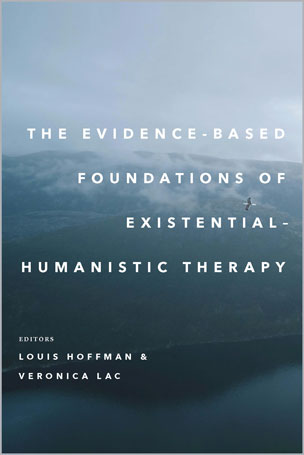
Louis Hoffman, Veronica Lac
#Existential
#Humanistic
#Therapy
#EHT
#Psychology
This comprehensive volume aligns existential–humanistic therapy (EHT) with the standards of evidence-based practice in psychology (EBPP).
It provides a solid empirical foundation for EHT as a therapeutic modality, while also demonstrating how it can serve as an integrative approach. The book identifies evidence for primary existential competencies and best practices, as well as multicultural considerations for prioritizing an individual client’s needs.
In each chapter, expert psychologists detail a key principle of EHT, including therapeutic presence, empathy, working with emotions, authenticity, therapist self-disclosure, here-and-now work, and the self within the therapeutic context. Integrative strategies including mindfulness, art therapy, experiential therapy, and equine-assisted therapy demonstrate the effectiveness of these foundational elements, when combined into a single approach.
Contributors draw on three pillars of EBPP—research evidence, clinical experience, and client characteristics—to demonstrate how EHT can be just as effective as other evidence-based approaches, if not more so in some contexts.
Table of Contents
Introduction: Evidence-Based Psychological Practice in Existential-Humanistic Psychotherapy
Part I. Foundational Research and Competencies in Existential-Humanistic Psychotherapy
1. Approaching Existential-Humanistic Psychotherapy From an Evidence-Based Perspective
2. Existential-Therapeutic Competencies
3. Research on Existential-Humanistic Psychotherapy
Part II. Evidence-Based Foundations of Existential- Humanistic Stances
4. Therapeutic Presence in Existential- Humanistic Psychotherapy
5. Empathy in Existential-Humanistic Psychotherapy
6. Working With Emotions in Existential-Humanistic Psychotherapy
7. Authenticity, Self-Awareness, and Facing Life Directly in Existential-Humanistic Psychotherapy
8. Here-and-Now Work in Existential- Humanistic Psychotherapy
9. Working With Meaning in Life in Existential-Humanistic Psychotherapy
10. Understanding Acceptance in Existential-Humanistic Psychotherapy
11. Genuineness and the Real Relationship in Existential-Humanistic Psychotherapy
12. Therapist Self-Disclosure in Existential-Humanistic Psychotherapy
13. The Self in Existential-Humanistic Psychotherapy
Part III. Integrative Strategies in Existential-Humanistic Psychotherapy
14. Integrative Considerations of Mindfulness in Existential-Humanistic Psychotherapy
15. The Creative and Expressive Arts Therapies and Existential-Humanistic Psychotherapy
16. Experiential Techniques in Existential-Humanistic Psychotherapy
17. An Existential-Humanistic Approach to Equine-Facilitated Psychotherapy
About the Authors
Louis Hoffman, PhD, is a licensed psychologist in private practice and the executive director of the Rocky Mountain Humansitic Counseling and Psychological Association. An avid writer, Dr. Hoffman has published over 20 books and 100 journal articles and book chapters. His books include the APA Handbook of Humansitic and Existential Psychology (Volumes 1 & 2), Eros & Psyche: Existential Perspectives on Sexuality (Volumes 1 & 2), Existential Psychology East–West (Volumes 1 & 2), and Becoming an Existential–Humanistic Therapist. He has been recognized as a fellow of the American Psychological Association and six of its divisions (1: The Society for General Psychology & Interdisciplinary Inquiry; 10: Society for the Psychology of Aesthetics, Creativity, & the Arts; 32: Society for Humanistic Psychology; 36: Society for Psychology of Religion and Spirituality; 48: Society for the Study of Peace, Conflict and Violence: Peace Psychology Division; & 52: International Psychology) and is a recipient of the Rollo May Award of the Society for Humanistic Psychology. He serves on the editorial boards of the Journal of Humanistic Psychology (senior international editor), The Humanistic Psychologist, and the Journal of Constructivist Psychology.
Veronica Lac, PhD, is the founder and executive director of the Human– Equine Relational Development Institute. Existential–humanistic values and principles are embedded in her way of being in the world as an educator and mental health practitioner. Lac holds master’s degrees in both Training and Performance Management and Gestalt Psychotherapy as well as a PhD in Psychology (with an Existential, Humanistic, and Transpersonal specialization). She is passionate about bringing a cultural competence framework into her practice and teaching. Dr. Lac specializes in working with eating disorders, trauma, and attachment and has developed equine and canine-assisted programs for at-risk adolescents in collaboration with residential treatment centers and eating disorder clinics. She is also a Professional Association of Therapeutic Horsemanship International certified therapeutic riding instructor for clients with cognitive, physical, and emotional disabilities and a certified equine specialist in mental health and learning. She believes that research is the key to supporting evidence-based practice for equine-facilitated psychotherapy and has multiple publications published internationally in peer-reviewed journals. Lac currently serves on the Board of Trustees for the Professional Association of Therapeutic Horsemanship International and as a Governance Committee member, as well as a founding member of their Diversity, Equality and Inclusion Committee. She serves or has served on the Executive Board of a number of professional organizations including as secretary of the American Psychological Association Division 32 (Society for Humanistic Psychology), as an editor for the University Professors Press, as chair for the Gestalt Psychotherapy Training Institute, and The Humanitarian Alliance. She is also a peer reviewer for The Journal of Humanistic Psychology and The Humanistic Psychologist. Dr. Lac is the recipient of the 2022 American Psychological Association Division 32 Camri Harari Early Career Award.