ثبت نام / ورود
0
ثبت نام / ورود
0
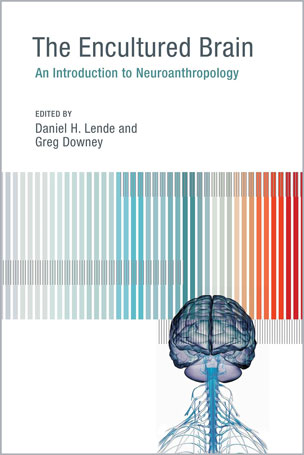
An Introduction to Neuroanthropology
Daniel H. Lende, Greg Downey
#Encultured
#Brain
#Neuroanthropology
#PTSD
Basic concepts and case studies from an emerging field that investigates human capacities and pathologies at the intersection of brain and culture.
The brain and the nervous system are our most cultural organs. Our nervous system is especially immature at birth, our brain disproportionately small in relation to its adult size and open to cultural sculpting at multiple levels. Recognizing this, the new field of neuroanthropology places the brain at the center of discussions about human nature and culture. Anthropology offers brain science more robust accounts of enculturation to explain observable difference in brain function; neuroscience offers anthropology evidence of neuroplasticity's role in social and cultural dynamics. This book provides a foundational text for neuroanthropology, offering basic concepts and case studies at the intersection of brain and culture.
After an overview of the field and background information on recent research in biology, a series of case studies demonstrate neuroanthropology in practice. Contributors first focus on capabilities and skills--including memory in medical practice, skill acquisition in martial arts, and the role of humor in coping with breast cancer treatment and recovery--then report on problems and pathologies that range from post-traumatic stress disorder among veterans to smoking as a part of college social life.
Table of Contents
I On the Encultured Brain
1 The Encultured Brain: Development, Case Studies, and Methods
Daniel H. Lende and Greg Downey
2 Neuroanthropology and the Encultured Brain
Greg Downey and Daniel H. Lende
3 Primate Social Cognition, Human Evolution, and Niche Construction:
A Core Context for Neuroanthropology
Katherine C. MacKinnon and Agust í n Fuentes
4 Evolution and the Brain
Greg Downey and Daniel H. Lende
II Case Studies on Human Capacities, Skills, and Variation
5 Memory and Medicine
M. Cameron Hay
6 Balancing between Cultures: Equilibrium in Capoeira
Greg Downey
7 From Habits of Doing to Habits of Feeling: Skill Acquisition in Taijutsu Practice
Katja Pettinen
8 Holistic Humor: Coping with Breast Cancer 213
Kathryn Bouskill
9 Embodiment and Male Vitality in Subsistence Societies
Benjamin Campbell
III Case Studies on Human Problems, Pathologies, and Variation
10 War and Dislocation: A Neuroanthropological Model of Trauma among American Veterans with Combat PTSD
Erin P. Finley
11 Autism as a Case for Neuroanthropology: Delineating the Role of Theory of Mind in Religious Development
Rachel S. Brezis
12 Collective Excitement and Lapse in Agency: Fostering an Appetite for Cigarettes
Peter G. Stromberg
13 Addiction and Neuroanthropology
Daniel H. Lende
14 Cultural Consonance, Consciousness, and Depression: Genetic Moderating Effects on the Psychological Mediators of Culture
William W. Dressler, Mauro C. Balieiro, and Jos é Ernesto dos Santos
IV Conclusion
15 The Encultured Brain—Toward the Future
Daniel H. Lende and Greg Downey
The Encultured Brain is recommended for social scientists interested in incorporating neurological approaches into their research or how advances in neuroscience are relevant to social anthropology. The book is also recommended for social scientists who are skeptical of brain-based approaches as it will help them better appreciate what neuroanthropology is and what it has to offer. Social and cultural anthropology can benefit from, and make significant contributions to, the exciting advances being made in neuroscience. The Encultured Brain outlines the basic theory and methodology that will allow anthropologists to participate in these advances that are becoming increasingly influential in the scientific community.
--Australian Journal of Anthropology
Daniel H. Lende is Associate Professor in the Department of Anthropology at the University of South Florida.
Greg Downey is Senior Lecturer in the Department of Anthropology at Macquarie University, Sydney.