ثبت نام / ورود
0
ثبت نام / ورود
0
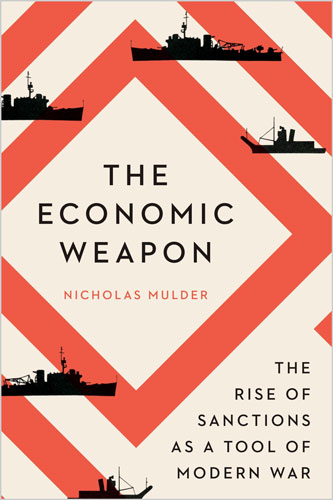
The Rise of Sanctions as a Tool of Modern War
Nicholas Mulder
#Economic
#World_War
#Sanctions
#Military
🌍 نخستین تاریخ بینالمللی از ظهور تحریمهای اقتصادی در دوره میان دو جنگ و میراثی که این تحول بر جای گذاشت
🏆 یکی از بهترین کتابهای سال ۲۰۲۲ به انتخاب Foreign Affairs
💭 «کتابی ارزشمند که درسهای بسیاری برای سیاستگذاران غربی امروز دارد.»
— پل کندی، The Wall Street Journal
💭 «درسهای این کتاب هشداردهندهاند.»
— The Economist
📘 امروزه تحریمهای اقتصادی بخش مهمی از سیاست جهانی را تشکیل میدهند. این ابزار نخستین بار در اوایل قرن بیستم با هدف بهرهگیری از جریانهای جهانیشدن برای دفاع از نظم بینالمللی لیبرال توسعه یافت و جذابیت اصلی آن در این بود که میتوانست بهعنوان جایگزینی برای جنگ مورد استفاده قرار گیرد.
⚖️ اما این برداشت، تناقض تاریکی را که در قلب تحریمها وجود دارد نادیده میگیرد: تحریمهای اقتصادی برای جلوگیری از جنگ طراحی شدهاند، اما الگوی آنها از همان تکنیکهای ویرانگری گرفته شده است که در جنگ به کار میروند.
🗺️ نیکلاس مولدر با دنبال کردن تاریخ استفاده از تحریمهای اقتصادی، از محاصرههای جنگ جهانی اول گرفته تا کنترل امپراتوریهای استعماری و رویارویی دوره میان دو جنگ با فاشیسم، نشان میدهد چگونه ابزاری قهری و متعلق به دوران جنگ به وسیلهای برای حفظ صلح در جامعه ملل تبدیل شد.
🗄️ نویسنده با تکیه بر پژوهش گسترده آرشیوی و ترکیب تاریخ سیاسی، اقتصادی، حقوقی و نظامی، روند شکلگیری و تحول «سلاح اقتصادی» را بررسی میکند.
🎯 این پژوهش بهموقع روشن میکند که چرا تحریمها در بسیاری از موارد نوعی جنگ تلقی میشوند و چرا پیامدهای ناخواسته آنها میتوانند تا این اندازه گسترده و ویرانگر باشند.
📖 فهرست مطالب
پارت I. خاستگاههای سلاح اقتصادی
فصل ۱. سازوکار محاصره، ۱۹۱۴–۱۹۱۷
فصل ۲. تولد تحریمها از دل روح محاصره، ۱۹۱۷–۱۹۱۹
فصل ۳. جنگِ صلح، ۱۹۱۹–۱۹۲۱
پارت II. مشروعیت سلاح اقتصادی
فصل ۴. تنظیم و کالیبراسیون سلاح اقتصادی، ۱۹۲۱–۱۹۲۴
فصل ۵. پلیس جهانی ژنو، ۱۹۲۴–۱۹۲۷
فصل ۶. تحریمگرایی در برابر بیطرفی، ۱۹۲۷–۱۹۳۱
پارت III. تحریمهای اقتصادی در بحران میان دو جنگ
فصل ۷. امنیت جمعی در برابر تجاوز، ۱۹۳۱–۱۹۳۵
فصل ۸. بزرگترین آزمایش در تاریخ مدرن، ۱۹۳۵–۱۹۳۶
فصل ۹. هراس از محاصره، ۱۹۳۶–۱۹۳۹
فصل ۱۰. سلاح اقتصادی مثبت، ۱۹۳۹–۱۹۴۵
📝 نقد و بررسیها
💭 «نیکلاس مولدر بهطرزی تحسینبرانگیز موفق شده خاستگاه تاریخی تحریمها را از گمنامی نسبی بیرون بیاورد... ارزیابی دقیق و هوشمندانه او از تاریخ تحریمها باید مطالعهای ضروری برای هر کسی باشد که درباره تجاوز جدید روسیه و نحوه پاسخ به آن میاندیشد.»
— ریچارد اووری، Journal of Strategic Studies
🏆 برنده جایزه Stuart L. Bernath Book Prize برای بهترین کتاب نخست از سوی Society for Historians of American Foreign Relations (SHAFR)
🏆 برنده جایزه Paul Birdsall Prize در حوزه تاریخ نظامی و راهبردی اروپا از سال ۱۸۷۰ به بعد، با حمایت American Historical Association
💭 «این تاریخ روشنگر از "جنگ اقتصادی"، یعنی محاصرهها و تحریمها، یادآوری میکند که در جنگ جهانی اول تا ۴۰۰ هزار نفر در اروپای مرکزی و ۵۰۰ هزار نفر در خاورمیانه عثمانی بر اثر سوءتغذیه ناشی از محاصره جان خود را از دست دادند. پس از خواندن آن، تاریخ قرن بیستم را با نگاهی تازه خواهید دید.»
— نوئل مالکوم، Daily Telegraph
🏆 یکی از بهترین کتابهای سال ۲۰۲۲ Foreign Affairs
💭 «کتابی ارزشمند که درسهای بسیاری برای سیاستگذاران غربی امروز دارد.»
— پل کندی، The Wall Street Journal
💭 «با نثری روشن، پژوهشی عمیق و محتوایی تفکربرانگیز نوشته شده است.»
— گیدئون راخمن، Financial Times
💭 «مولدر تحریمها را در سه دهه پس از جنگ جهانی اول بررسی میکند و به نتایجی نگرانکننده میرسد... درسهای آن هشداردهندهاند.»
— The Economist
💭 «مولدر نشان میدهد چگونه گسترش تحریمهای اقتصادی و محاصره در سالهای میان دو جنگ، که در ابتدا ابزاری برای تحمیل صلح تلقی میشد، به سیاستهای خودکفایی آلمان نازی و ژاپن امپراتوری دامن زد و در نهایت بهجای تقویت نظام بینالملل، به بیثبات شدن آن کمک کرد.»
— رابین هاردینگ، Financial Times
💭 «مولدر در این کتاب که هم از نظر پژوهشی بینقص و هم بهدلیل موضوعیت امروزی بسیار جذاب است، استدلال میکند که تحریمها در دوره میان دو جنگ نهتنها مانع فروپاشی سیاسی و اقتصادی نشدند، بلکه آن را تسریع کردند... کتاب او هشدار ناخوشایندی ارائه میدهد: تحریمها اگرچه گاهی مؤثر بودهاند، در موارد بسیاری مناقشهبرانگیز، ناکارآمد و حتی نتیجه معکوس داشتهاند.»
— اما دانکن، The Times
💭 «همانطور که نیکلاس مولدر در The Economic Weapon نشان میدهد، پشت اختراع تحریمهای مدرن تاریخی بسیار طولانیتر قرار دارد.»
— تام استیونسون، London Review of Books
💭 «کتابی تازه و جذاب... اگر آن را صرفا بهعنوان اثری تاریخی و حاصل پژوهشی درخشان در نظر بگیریم، بخشهای مهمی از قرن بیستم را بهشکلی عمیقا تفکربرانگیز روشن میکند.»
— نوئل مالکوم، Daily Telegraph
💭 «تحلیلی اصیل و متقاعدکننده... برای کسانی که تحریمهای اقتصادی را روشی نسبتا ملایم برای ابراز نارضایتی از رفتار یک کشور میدانند، این کتاب که چگونگی ظهور آنها بهعنوان ابزاری بالقوه برای اجبار در دهههای نخست قرن بیستم را دنبال میکند، اثری بسیار روشنگر خواهد بود.»
— لارنس دی. فریدمن، Foreign Affairs
💭 «پژوهشی عالی درباره تحریمها در دوره میان دو جنگ... روایت جذاب مولدر، سیاست، اقتصاد و حقوق را به هم پیوند میدهد و بینشی ارزشمند درباره تجربه تحریمها در صد سال پیش ارائه میکند.»
— مکس هریس، Times Literary Supplement
💭 «کتابی تأثیرگذار و بهموقع که درک روشنتری از میزان یکپارچگی و وابستگی متقابل اقتصاد جهانی در شکلگیری نظم بینالمللی آن دوران ارائه میدهد.»
— یوهانا گوتیه مورین، Contemporary European History
💭 «بهشکلی هراسانگیز با مسائل امروز مرتبط است.»
— روژه کارما، The Ezra Klein Show، The New York Times
💭 «روشنگر.»
— کریس میلر، American Purpose
💭 «کتابی بسیار مرتبط با مسائل امروز.»
— لارس اریک شوناندر، National Interest
💭 «بهشکلی درخشان پژوهش شده است.»
— پاولوس روفوس، The Jacobin
💭 «The Economic Weapon روایتی فوقالعاده از تاریخ تحریمها و تأثیر عمیق آنها بر سیاست بینالملل است. تحریمها زمانی بهعنوان نیرویی برای صلح ستایش میشدند، اما مولدر نشان میدهد که آنها اغلب شکست میخورند و گاهی حتی احتمال جنگ را افزایش میدهند یا به فاجعهای انسانی منجر میشوند.»
— جان میرشایمر، نویسنده The Great Delusion: Liberal Dreams and International Realities
💭 «این کتاب شاهکاری در پژوهش و استدلال تاریخی است. نیکلاس مولدر با ظرافت و غنای فراوان، درک ما از تاریخ جهانی و بینالمللی قرن بیستم را دگرگون میکند.»
— دیوید اجرتون، King’s College London
💭 «مولدر تاریخ سلاح نهایی لیبرالیسم را آشکار میکند. این کتاب هم سهمی اساسی در پژوهش دانشگاهی دارد و هم اثری ضروری برای بحثهای امروزی درباره تحریمهای اقتصادی است.»
— آدام توز، نویسنده Shutdown: How Covid Shook the World’s Economy
👤 درباره نویسنده
🎓 نیکلاس مولدر استادیار تاریخ اروپای مدرن در دانشگاه کرنل است.
✍️ او همچنین بهطور منظم برای نشریات Foreign Policy و The Nation مقاله مینویسد.
The first international history of the emergence of economic sanctions during the interwar period and the legacy of this development
A Foreign Affairs Best Book of 2022
“Valuable . . . offers many lessons for Western policy makers today.”—Paul Kennedy, Wall Street Journal
“The lessons are sobering.”—The Economist
Economic sanctions dominate the landscape of world politics today. First developed in the early twentieth century as a way of exploiting the flows of globalization to defend liberal internationalism, their appeal is that they function as an alternative to war. This view, however, ignores the dark paradox at their core: designed to prevent war, economic sanctions are modeled on devastating techniques of warfare.
Tracing the use of economic sanctions from the blockades of World War I to the policing of colonial empires and the interwar confrontation with fascism, Nicholas Mulder uses extensive archival research in a political, economic, legal, and military history that reveals how a coercive wartime tool was adopted as an instrument of peacekeeping by the League of Nations. This timely study casts an overdue light on why sanctions are widely considered a form of war, and why their unintended consequences are so tremendous.
Part I. The Origins of the Economic Weapon
Chapter 1. The Machinery of Blockade, 1914–1917
Chapter 2. The Birth of Sanctions from the Spirit of Blockade, 1917–1919
Chapter 3. The Peacewar, 1919–1921
Part II. The Legitimacy of the Economic Weapon
Chapter 4. Calibrating the Economic Weapon, 1921–1924
Chapter 5. Genevan World Police, 1924–1927
Chapter 6. Sanctionism versus Neutrality, 1927–1931
Part III. Economic Sanctions in the Interwar Crisis
Chapter 7. Collective Security against Aggression, 1931–1935
Chapter 8. The Greatest Experiment in Modern History, 1935–1936
Chapter 9. Blockade-Phobia, 1936–1939
Chapter 10. The Positive Economic Weapon, 1939–1945
“Valuable . . . offers many lessons for Western policy makers today.”—Paul Kennedy, Wall Street Journal
“Lucidly written, scholarly and thought-provoking.”—Gideon Rachman, Financial Times
“Mulder . . . looks at sanctions over the three decades after the First World War—and reaches unsettling conclusions. . . . The lessons are sobering.”—The Economist
“Mulder charts how the rise of economic sanctions and blockade during the interwar years, as a tool to enforce peace, drove the autarkic policies of Nazi Germany and Imperial Japan, ultimately destabilising the international system rather than fortifying it.”—Robin Harding, Financial Times
“Mulder argues in his impeccably well-researched and, because of its timeliness, gripping book that ‘sanctions did not stop political and economic disintegration but accelerated it’ in the interwar period. . . . Mulder’s book provides an uncomfortable warning that while sanctions have sometimes worked, they have also been contentious, ineffective and counterproductive.”—Emma Duncan, The Times
“This revelatory history of ‘economic warfare’—blockades and sanctions—reminds us that up to 400,000 people died of blockade-induced malnutrition in Central Europe in the First World War, plus 500,000 in the Ottoman Middle East. You will look at twentieth-century history with fresh eyes.”—Noel Malcolm, Daily Telegraph, “Perfect Holiday Reads”
A Foreign Affairs Best Book of 2022
“As Nicholas Mulder shows in The Economic Weapon, a much longer history lies behind the invention of modern sanctions.”—Tom Stevenson, London Review of Books
“A fascinating new book. . . . Taken as a superbly researched work of history, it lights up key aspects of the twentieth century in a deeply thought-provoking way.”—Noel Malcolm, Daily Telegraph
“Original and persuasive analysis. . . . For those who see economic sanctions as a relatively mild way of expressing displeasure at a country’s behavior, this book, charting how they first emerged as a potential coercive instrument during the first decades of the twentieth century, will come as something of a revelation.”—Lawrence D. Freedman, Foreign Affairs
“[A] superb study of sanctions during the interwar era. . . . Mulder’s fascinating story weaves together politics, economics and law [and] provides invaluable insight into the experience of sanctions one hundred years ago.”—Max Harris, Times Literary Supplement
“Impressive and timely. . . . Gives us a clearer sense of the state of global economic integration and dependence that underlined the international order in the making.”—Johanna Gautier Morin, Contemporary European History
“Terrifyingly relevant.”—Rogé Karma, New York Times’s “The Ezra Klein Show”
“Illuminating.”—Chris Miller, American Purpose
“A highly relevant book.”—Lars Erik Schönander, National Interest
“Brilliantly researched.”—Pavlos Roufos, The Jacobin
“Nicholas Mulder has succeeded admirably here in rescuing the historical origins of sanctions from relative obscurity. . . . Mulder’s thoroughly researched and intelligent assessment of the history of sanctions should be required reading for anyone contemplating Russia’s new aggression.”—Richard Overy, Journal of Strategic Studies
Winner of the Stuart L. Bernath Book Prize for best first book by the Society for Historians of American Foreign Relations (SHAFR)
Winner of the The Paul Birdsall Prize for European military and strategic history since 1870, sponsored by the American Historical Association
“The Economic Weapon is a superb account of the history of sanctions, and their profound impact on international politics. Although sanctions were once heralded as a force for peace, Mulder shows they often fail and sometimes make war more likely or even produce a humanitarian nightmare.&rdquot;—John Mearsheimer, author of The Great Delusion: Liberal Dreams and International Realities
“This is a tour de force of historical research and argument. With great subtlety and richness, Nicholas Mulder transforms our understanding of twentieth-century global and international history.”—David Edgerton, King’s College London
“Mulder reveals the history of liberalism’s ultimate weapon. An essential contribution both to scholarship and to the present-day debate on economic sanctions.”—Adam Tooze, author of Shutdown: How Covid Shook the World’s Economy
About the Author
Nicholas Mulder is an assistant professor of modern European history at Cornell University and regular contributor to Foreign Policy and The Nation.