ثبت نام / ورود
0
ثبت نام / ورود
0
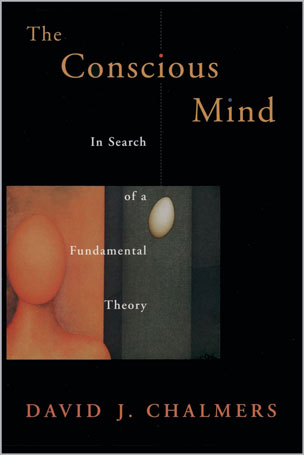
In Search of a Fundamental Theory
#Conscious
#Mind
#Artificial_Intelligence
#Quantum_Mechanics
🧠 آگاهی چیست؟ فرایندهای فیزیکی در مغز چگونه به ذهن خودآگاه و احساساتی بهشدت متفاوت مانند عشق و نفرت، لذت زیباییشناختی یا اشتیاق معنوی منجر میشوند؟ این پرسشها امروز از بحثبرانگیزترین موضوعها میان دانشمندان و فیلسوفان هستند. در سالهای اخیر، چهرههای برجستهای مانند فرانسیس کریک، دنیل سی. دنت، جرالد ادلمن و راجر پنروز آثار مهمی در این زمینه منتشر کردهاند و هر یک در آنچه به «جنگهای آگاهی» مشهور شده، دیدگاه خود را مطرح کردهاند.
📘 اکنون دیوید جی. چالمرز در کتاب The Conscious Mind تحلیلی منسجم از این مناقشه ارائه میدهد و نظریهای تازه و مهم درباره آگاهی مطرح میکند؛ نظریهای که گرایش غالب تقلیلگرایانه در علم را رد میکند و درعینحال، بینشهایی بحثبرانگیز درباره رابطه ذهن و مغز ارائه میدهد.
🔍 چالمرز با سبکی دقیق و تفکربرانگیز، خواننده را به سفری گسترده در پیامدهای فلسفی مسئله آگاهی میبرد. او استدلال میکند که علوم شناختی و عصبشناسی معاصر هنوز نتوانستهاند توضیح دهند چگونه و چرا رویدادهای ذهنی از فرایندهای فیزیولوژیکی مغز پدید میآیند.
⚛️ او در مقابل پیشنهاد میکند تجربه آگاهانه باید از زاویهای کاملا متفاوت درک شود؛ بهعنوان پدیدهای تقلیلناپذیر، شبیه ویژگیهای بنیادی فیزیکی مانند زمان، جرم و فضا، که در سطحی بنیادین وجود دارد و نمیتوان آن را صرفا به مجموع اجزای تشکیلدهندهاش فروکاست.
🧩 چالمرز پس از مطرح کردن احتمالهایی جذاب درباره ساختار و قوانین تجربه آگاهانه، توضیح میدهد که این تفسیر تازه از ذهن چگونه میتواند به موضوع یک علم جدید تبدیل شود.
💭 در سراسر کتاب، آزمایشهای فکری جذابی ارائه میشوند که ایدههای نویسنده را بهشکلی روشن نشان میدهند. برای مثال، چالمرز هنگام بررسی این احتمال که ماشینها نیز مانند انسانها بتوانند آگاهی داشته باشند، از ما میخواهد مغزی متفکر را تصور کنیم که نورونهای آن بهتدریج با تراشههای سیلیکونی جایگزین میشوند؛ تراشههایی که عملکرد نورونها را دقیقا بازتولید میکنند. با جایگزینی نورونها، آیا آگاهی نیز کمکم محو خواهد شد؟
🤖 کتاب همچنین درباره کاربردهای احتمالی نظریههای نویسنده در موضوعهایی بسیار متفاوت، از هوش مصنوعی گرفته تا تفسیر مکانیک کوانتومی، بحثهایی دقیق و تأملبرانگیز ارائه میدهد.
🎯 همه ما زمانی درباره ماهیت و معنای آگاهی فکر کردهایم. کتاب The Conscious Mind با رویکردی جذاب و عمیق، دیدگاهی تازه درباره این مسئله ارائه میدهد؛ دیدگاهی که میتواند سالها بحث درباره درک ما از ذهن را زنده نگه دارد.
📖 فهرست مطالب
پارت I. مبانی
فصل ۱. دو مفهوم از ذهن
فصل ۲. سوپروِنینس و تبیین
پارت II. تقلیلناپذیری آگاهی
فصل ۳. آیا میتوان آگاهی را بهصورت تقلیلگرایانه توضیح داد؟
فصل ۴. دوگانهگرایی طبیعتگرایانه
فصل ۵. پارادوکس داوری پدیداری
پارت III. بهسوی نظریهای درباره آگاهی
فصل ۶. انسجام میان آگاهی و شناخت
فصل ۷. کیفیات غایب، کیفیات محوشونده، کیفیات رقصان
فصل ۸. آگاهی و اطلاعات؛ چند گمانهزنی
پارت IV. کاربردها
فصل ۹. هوش مصنوعی قوی
فصل ۱۰. تفسیر مکانیک کوانتومی
📝 نقد و بررسیها
💭 «بدون تردید یکی از بهترین بحثهای موجود درباره آگاهی.»
— The Times Higher Education Supplement
💭 «نخستین کتابی شگفتانگیز... مروری فوقالعاده توانمند بر این حوزه ارائه میدهد.»
— The Economist
💭 «چالمرز با این ادعا که دانشمندان باید تجربه آگاهانه را بهعنوان یکی از مؤلفههای بنیادی و غیرفیزیکی جهان، مشابه زمان، فضا و ماده در نظر بگیرند، دنیای تقلیلگرای پژوهشهای عصبشناختی را به چالش میکشد.»
— Science News
💭 «دیوید چالمرز بیش از هر چیز بهدلیل طرح آنچه "مسئله دشوار آگاهی" نامیده میشود شناخته میشود: ماهیت تجربه ذهنی چیست؟ چرا تجربههایی زنده و محسوس از جهان داریم؟ چرا درون سر ما کسی حضور دارد که این تجربهها را احساس میکند؟»
— The New York Times
📗 معرفی کوتاه کتاب
💭 «شیوا، بهطرزی خیرهکننده هوشمندانه و سرشار از دانش عصبشناسی.»
— The Sunday Times
👤 درباره نویسنده
🎓 دیوید جی. چالمرز استاد فلسفه در دانشگاه کالیفرنیا، سانتا کروز است.
📄 مقاله او با عنوان The Puzzle of Conscious Experience در شماره دسامبر ۱۹۹۵ مجله Scientific American منتشر شد.
What is consciousness? How do physical processes in the brain give rise to the self-aware mind and to feelings as profoundly varied as love or hate, aesthetic pleasure or spiritual yearning? These questions today are among the most hotly debated issues among scientists and philosophers, and we have seen in recent years superb volumes by such eminent figures as Francis Crick, Daniel C. Dennett, Gerald Edelman, and Roger Penrose, all firing volleys in what has come to be called the consciousness wars. Now, in The Conscious Mind, philosopher David J. Chalmers offers a cogent analysis of this heated debate as he unveils a major new theory of consciousness, one that rejects the prevailing reductionist trend of science, while offering provocative insights into the relationship between mind and brain.
Writing in a rigorous, thought-provoking style, the author takes us on a far-reaching tour through the philosophical ramifications of consciousness. Chalmers convincingly reveals how contemporary cognitive science and neurobiology have failed to explain how and why mental events emerge from physiological occurrences in the brain. He proposes instead that conscious experience must be understood in an entirely new light--as an irreducible entity (similar to such physical properties as time, mass, and space) that exists at a fundamental level and cannot be understood as the sum of its parts. And after suggesting some intriguing possibilities about the structure and laws of conscious experience, he details how his unique reinterpretation of the mind could be the focus of a new science. Throughout the book, Chalmers provides fascinating thought experiments that trenchantly illustrate his ideas. For example, in exploring the notion that consciousness could be experienced by machines as well as humans, Chalmers asks us to imagine a thinking brain in which neurons are slowly replaced by silicon chips that precisely duplicate their functions--as the neurons are replaced, will consciousness gradually fade away? The book also features thoughtful discussions of how the author's theories might be practically applied to subjects as diverse as artificial intelligence and the interpretation of quantum mechanics.
All of us have pondered the nature and meaning of consciousness. Engaging and penetrating, The Conscious Mind adds a fresh new perspective to the subject that is sure to spark debate about our understanding of the mind for years to come.
Table of Contents
Part I. Foundations
Chapter 1. Two Concepts of Mind
Chapter 2. Supervenience and Explanation
Part II. The Irreducibility of Consciousness
Chapter 3. Can Consciousness Be Reductively Explained?
Chapter 4. Naturalistic Dualism
Chapter 5. The Paradox of Phenomenal Judgment
Part III. Toward a Theory of Consciousness
Chapter 6. The Coherence Between Consciousness and Cognition
Chapter 7. Absent Qualia, Fading Qualia, Dancing Qualia
Chapter 8. Consciousness and Information: Some Speculation
Part IV. Applications
Chapter 9. Strong Artificial Intelligence
Chapter 10. The Interpretation of Quantum Mechanics
"Certainly one of the best discussions of consciousness in existence."--The Times Higher Education Supplement"A startling first book....Offers an outstandingly competent survey of the field."--The Economist"Chalmers shakes up the reductionist world of neurological research by asserting that scientists need to approach the conscious experience as a basic, nonphysical component of the world, similar to time, space, and matter."--Science News"David Chalmers is widely credited for posing the so-called hard problem of consciousness:...What is the nature of subjective experience? Why do we have vividly felt experiences of the world? Why is there someone home inside our heads?"--The New York Times
Book Description
"Eloquent, fiendishly clever, hugely informed about neuroscience." --The Sunday Times
About the Author
David J. Chalmers is a professor of philosophy at the University of California, Santa Cruz. His article "The Puzzle of Conscious Experience" appeared in the December 1995 issue of Scientific American.