ثبت نام / ورود
0
ثبت نام / ورود
0
Donald R. Morrison
#Socrates
#Philosopher
#Greek
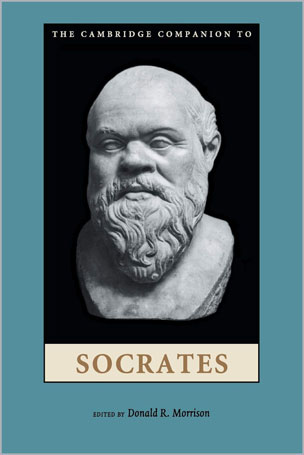
The Cambridge Companion to Socrates is a collection of essays providing a comprehensive guide to Socrates, the most famous Greek philosopher. Because Socrates himself wrote nothing, our evidence comes from the writings of his friends (above all Plato), his enemies, and later writers. Socrates is thus a literary figure as well as a historical person. Both aspects of Socrates’ legacy are covered in this volume. Socrates’ character is full of paradox, and so are his philosophical views. These paradoxes have led to deep differences in scholar’s interpretation of Socrates and his thought. Mirroring this wide range of thought about Socrates, this volume’s contributors are unusually diverse in their background and perspective. The essays in this volume were authored by classical philologists, philosophers, and historians from Germany, Francophone Canada, Britain, and the United States, and they represent a range of interpretive and philosophical traditions.
Table of Contents
1 The Rise and Fall of the Socratic Problem
2 The Students of Socrates
3 Xenophon and the Enviable Life of Socrates
4 Socrates in Aristophanes’ Clouds
5 Socrates and the New Learning
6 Socratic Religion
7 Socrates and Democratic Athens
8 Socratic Method
9 Self-Examination
10 Socratic Ignorance
11 Reconsidering Socratic Irony
12 Socratic Ethics and the Socratic Psychology of Action: A Philosophical Framework
A Philosophical Framework
13 Socrates and Eudaimonia
14 Socrates’ Political Philosophy
15 Socrates in Later Greek Philosophy
Donald R. Morrison is currently a Professor of Philosophy and Classical Studies at Rice University. He has also been a Rockefeller Fellow at the University Center for Human Values at Princeton University, a Junior Fellow of the Center for Hellenic Studies, and a Visiting Professor at the University Paris I-Sorbonne. His publications have appeared in edited collections and scholarly journals, including Polis, Ancient Philosophy and the History of Political Thought.