ثبت نام / ورود
0
ثبت نام / ورود
0
🔍 Visualizing Software Architecture
✍️ Simon Brown
#C4
#Model
#Software_Architecture
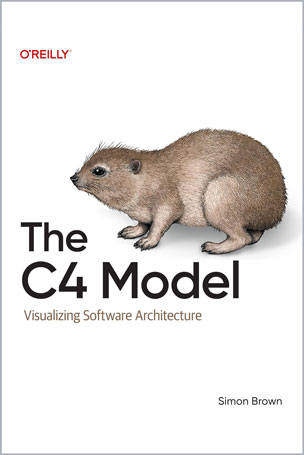
🏗️ معماری خوب فقط کد خوب نیست؛ بخش بزرگی ازش ارتباط شفافه. کتاب The C4 Model: Visualizing Software Architecture یک راهنمای عملی برای ساختن دیاگرامهاییه که به تیمها کمک میکنه سیستمهای نرمافزاری رو بهتر بفهمن، بهتر بسازن و دربارهشون مؤثرتر حرف بزنن. مدل C4 که توسط سایمون براون توسعه داده شده و هزاران تیم در سراسر دنیا ازش استفاده میکنن، معماری رو به چهار سطح ساده تقسیم میکنه: Context، Container، Component و Code. همین باعث میشه هم تصویر کلی سیستم رو راحتتر ببینی، هم جزئیات رو.
🧭 چه داری یک همتیمی جدید رو آنبورد میکنی، چه برای ذینفعها پرزنت میکنی، چه فقط میخوای از یک سیستم پیچیده سر دربیاری، این کتاب نشون میده چطور ویژوالهایی بسازی که واقعاً اثر بذارن. با راهنماییهای قابلفهم، مثالهای واقعی و نکتههایی برای تنظیم دیاگرامها بر اساس مخاطبهای مختلف، این کتاب برای هر دولوپر یا معمار نرمافزاری که میخواد ایدههاش راحتتر فهمیده بشن، واقعاً بهدردبخوره.
🎯 چیزهایی که یاد میگیری
🧱 چطور مدل C4 رو از نماهای سطح بالا تا جزئیات سطح پایین به کار بگیری
🤝 چطور دیاگرامهایی بسازی که همکاری و شفافیت رو بین تیمها بهتر کنن
👥 بفهمی هر دیاگرام برای چه مخاطبیه و چه زمانی باید ازش استفاده کنی
🗺️ فراتر از C4 بری و از ابزارهای بصری مفید دیگه مثل نماهای Dynamic و نقشههای دیپلویمنت استفاده کنی
💬 گفتوگوهای بهتری بسازی درباره اینکه نرمافزارت چطور کار میکنه و چرا اینطوری طراحی شده
📖 فهرست مطالب
فصل ۱. شکست در ارتباط
فصل ۲. مبانی
فصل ۳. دیاگرام کانتکست سیستم
فصل ۴. دیاگرام کانتینر
فصل ۵. دیاگرام کامپوننت
فصل ۶. دیاگرام کد
فصل ۷. دیاگرام داینامیک
فصل ۸. دیاگرام دیپلویمنت
فصل ۹. دیاگرام چشمانداز سیستم
فصل ۱۰. نوتیشن
فصل ۱۱. فراتر از مبانی
فصل ۱۲. مدل C4 در عمل
پیوست. چکلیست بازبینی دیاگرام
📌 از مقدمه کتاب
🚀 میخوای بازی معماری نرمافزارت رو بهتر کنی؟ یک نفر زمانی بهم گفت معماری نرمافزار ۸۰ درصد ارتباطه و ۲۰ درصد فنی. الزاماً با این عددها موافق نیستم، ولی قطعاً یک حقیقتی پشت این حرف هست. توسعه نرمافزار یک فعالیت اجتماعیه و همه افراد درگیر باید کانتکست و هدف مشترک داشته باشن تا بتونن در یک جهت حرکت کنن. نقش تو بهعنوان معمار نرمافزار یا تکلید اینه که این اتفاق رو ممکن کنی. متأسفانه بیشتر دیاگرامهای معماری نرمافزار، چه توسط آدمها ساخته شده باشن چه توسط ایجنتهای AI، یک آشفتگی گیجکننده از باکسها و فلشها هستن. این موضوع ابهام درست میکنه، ارتباط رو سخت میکنه و پرفورمنس تیم رو پایین میاره.
🗺️ من مدل C4 رو ساختم تا به تیمهای مهندسی نرمافزار کمک کنه معماری نرمافزار رو توصیف و منتقل کنن؛ هم در جلسههای طراحی اولیه، هم وقتی بعداً میخوان یک کدبیس موجود رو مستند کنن. این مدل راهی برای ساختن «نقشههایی از کد تو» در سطحهای مختلف جزئیاته؛ تقریباً همونطور که در Google Maps روی یک منطقه زوم میکنی یا ازش زوماوت میکنی.
🧠 هرچند اسم «C4» بعداً شکل گرفت، ایدههای پشت مدل C4 به میانه دهه ۲۰۰۰ برمیگردن. از اون زمان تا حالا، این فرصت رو داشتم که به صدها سازمان سر بزنم؛ تقریباً در همه سکتورهای صنعتی، در حدود ۴۰ کشور، از استارتاپها و کسبوکارهای کوچک محلی گرفته تا اسکیلآپها و برندهای جهانی شناختهشده. این تنوع محیطها کمک کرده ایدههای پشت مدل C4 شکل بگیرن، بررسی بشن و در دنیای واقعی تست بشن. حالا این مدل وارد جریان اصلی شده و در خیلی از تیمهای مهندسی به رویکرد دیفکتو برای دیاگرامکشی معماری نرمافزار تبدیل شده.
📘 این کتاب یک راهنمای جامع برای استفاده از مدل C4 در مصورسازی و انتقال معماری نرمافزاره. یاد میگیری چرا بیشتر دیاگرامهای معماری نرمافزار بیمعنی هستن، چطور نقدشون کنی، چطور درستشون کنی، و چطور با مدل C4 یک مجموعه ساده ولی قدرتمند از دیاگرامهای مهندسپسند بسازی تا معماری نرمافزار رو توضیح بدی.
👤 این کتاب برای چه کسانیه؟
👨💻 مخاطب اصلی مدل C4 و این کتاب، معمارهای نرمافزار، تکلیدها و مهندسها یا دولوپرهای نرمافزار هستن. معمارهای Solution، معمارهای Enterprise، مهندسهای زیرساخت، تسترهای فنی، فنینویسها و افرادی که نقشهای مشابه دارن هم از زبان مشترکی که مدل C4 فراهم میکنه سود میبرن.
✍️ درباره نویسنده
👨💼 سایمون یک مشاور مستقل توسعه نرمافزاره که روی معماری نرمافزار تخصص داره؛ مخصوصاً رهبری فنی، ارتباط، و رویکردهای سبک، عملگرا و واقعبینانه به معماری نرمافزار. سایمون نویسنده کتاب Software Architecture for Developers است؛ یک راهنمای دولوپرپسند درباره معماری نرمافزار، رهبری فنی، تعادل با چابکی، و انتقال معماری نرمافزار با اسکچها، دیاگرامها و مدلها. او همینطور خالق مدل C4 و بنیانگذار Structurizr است؛ مجموعهای از ابزارها که به تیمها کمک میکنه معماری نرمافزارشون رو مصورسازی، مستند و اکسپلور کنن.
Good architecture is more than just good code--it's clear communication. The C4 Model: Visualizing Software Architecture is a practical guide to creating diagrams that help teams understand, build, and talk about software systems more effectively. Developed by Simon Brown and used by thousands of teams worldwide, the C4 model breaks architecture down into four simple levels (context, container, component, and code), making it easier to see the big picture and the details.
Whether you're onboarding a new teammate, presenting to stakeholders, or just trying to make sense of a complex system, this book shows you how to create visuals that actually make an impact. With approachable guidance, real examples, and tips for tailoring diagrams to different audiences, it's a must-have for any developer or architect who wants to make their ideas easier to understand.
Table of Contents
Chapter 1. A Failure to Communicate
Chapter 2. The Basics
Chapter 3. System Context Diagram
Chapter 4. Container Diagram
Chapter 5. Component Diagram
Chapter 6. Code Diagram
Chapter 7. Dynamic Diagram
Chapter 8. Deployment Diagram
Chapter 9. System Landscape Diagram
Chapter 10. Notation
Chapter 11. Beyond the Basics
Chapter 12. C4 Model in Practice
Appendix. Diagram Review Checklist
From the Preface
Want to improve your software architecture game? Somebody once told me that software architecture is 80% communication and 20% technical. I don’t necessarily agree with the numbers, but there’s definitely some truth in the sentiment. Software development is a social activity, requiring all participants to have a shared context and goals in order to move forward in the same direction. Your role as a software architect or tech lead is to make that happen. Unfortunately, most software architecture diagrams are a confused mess of boxes and arrows, irrespective of whether they are created by humans or AI agents. This causes ambiguity, hinders communication, and reduces team performance.
I created the C4 model as a way to help software engineering teams describe and communicate software architecture, both during up-front design sessions and when retrospectively documenting an existing codebase. It’s a way to create “maps of your code,” at various levels of detail, in the same way you would use something like Google Maps to zoom in and out of an area you’re interested in.
Although the “C4” name emerged later, the ideas behind the C4 model trace back to the mid-2000s. I’ve had the privilege of visiting hundreds of organizations since then, spanning almost every industry sector, in approximately 40 countries, from startups and small country-specific businesses to scaleups and global household names. This variety of environments has helped to shape, verify, and field-test the ideas behind the C4 model. It is now considered mainstream, having become the de facto approach to diagramming software architecture in many engineering teams
.
This book provides a comprehensive guide to using the C4 model for the visualization and communication of software architecture. You’ll learn why most software architecture diagrams are meaningless, how to critique them, how to fix them, and how to use the C4 model to create a simple yet powerful set of engineer-friendly diagrams to describe software architecture.
Who Is This Book For?
The primary audience for the C4 model (and this book) is software architects, tech leads, and software engineers/developers. Solution architects, enterprise architects, infrastructure engineers, technical testers, technical writers, and those in similar roles will also benefit from the shared language that the C4 model brings.
About the Author
Simon is an independent software development consultant specializing in software architecture; specifically technical leadership, communication, and lightweight, pragmatic approaches to software architecture. Simon is the author of "Software Architecture for Developers", a developer-friendly guide to software architecture, technical leadership, the balance with agility and communicating software architecture with sketches, diagrams, and models. He is also the creator of the C4 model and the founder of Structurizr, a collection of tooling to help teams visualise, document and explore their software architecture.