ثبت نام / ورود
0
ثبت نام / ورود
0
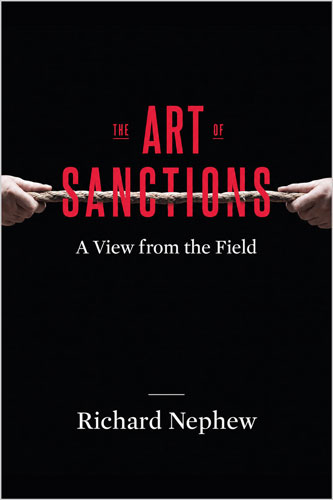
A View from the Field
Richard Nephew
#Sanction
#Iran
#Iraq
#Russia
#Washington
#North_Korea
#Obama
#Clinton
#Policy
#Diplomatic
📘 اگرچه تحریمها بهطور فزایندهای بهعنوان ابزاری در سیاست خارجی مورد استفاده قرار گرفتهاند، اما اگر بدون راهبردی روشن و متناسب با ماهیت و رفتار متغیر کشور هدف اجرا شوند، کارایی محدودی خواهند داشت. ریچارد نفیو در کتاب The Art of Sanctions چارچوبی عملی و بسیار ضروری برای طراحی و اجرای تحریمها ارائه میدهد؛ چارچوبی که نهتنها بر راهبرد اولیه تحریم، بلکه بر نحوه تنظیم و تعدیل آن در طول مسیر و تشخیص زمانی تمرکز دارد که تحریمها به حداکثر اثربخشی خود رسیدهاند.
🎯 نفیو که یکی از چهرههای اصلی در طراحی و اجرای تحریمها علیه ایران بوده است، برای تفسیر واکنش کشورهای هدف به تحریمها دو عامل اساسی را مطرح میکند: فشار یا درد و اراده مقاومت.
⚖️ اثربخشی تحریمها به توانایی آنها در وارد کردن فشار به کشور هدف بستگی دارد، اما طرف مقابل ممکن است اراده قابلتوجهی برای مقاومت، تحمل یا غلبه بر این فشار داشته باشد. درک رابطه میان فشار و اراده مقاومت، برای استفاده موفق و درعینحال مسئولانه از تحریمها اهمیت اساسی دارد.
🧭 با توجه به این دو متغیر کلیدی و تغییر آنها در طول دوره اجرای تحریمها، سیاستگذاران میتوانند بهتر تشخیص دهند که چه زمانی مداخله دیپلماتیک احتمال موفقیت بیشتری دارد و چه زمانی افزایش فشار ضروری است.
🌍 نفیو با تمرکز بر درسهای حاصل از تحریمهای اعمالشده علیه ایران و عراق، راهنمایی عملی در اختیار سیاستگذاران قرار میدهد تا بتوانند میزان فشار و اراده مقاومت را ارزیابی کنند و واکنش مناسب نشان دهند؛ با هدف طراحی و اجرای رژیمهای تحریمی قدرتمند و مؤثر.
📖 فهرست مطالب
فصل ۱. تعریف اصطلاحات
فصل ۲. عراق
فصل ۳. رویارویی با ایران
فصل ۴. درباره اعمال تحریمها و فشار
فصل ۵. آغاز فشار بر ایران
فصل ۶. درباره واکنش هدف و اراده مقاومت
فصل ۷. تشدید فشار بر ایران و حرکت بهسوی مذاکرات واقعی
فصل ۸. در جستوجوی نقاط عطف
فصل ۹. نگاهی به آینده
📝 نقد و بررسیها
💭 «همانطور که ریچارد نفیو در این کتاب بسیار خواندنی اشاره میکند، استفاده از تحریمهای اقتصادی برای تأثیرگذاری بر رفتار دیگران در عرصه بینالمللی سابقهای طولانی دارد. دقیقا به این دلیل که او خود در اجرای تحریمها تجربه عملی داشته، دیدگاهها و نتیجهگیریهایش سنجیدهاند و میتوانند برای سیاستگذاران بسیار آموزنده باشند. هم متخصصان و هم خوانندگان علاقهمند مطالب فراوانی از این کتاب خواهند آموخت.»
— دنیس راس، دستیار ویژه پیشین رئیسجمهور اوباما و وزیر خارجه کلینتون و مشاور مؤسسه واشنگتن برای سیاست خاور نزدیک
💭 «تحریمها به یکی از ابزارهای مهم سیاستگذاری تبدیل شدهاند و ریچارد نفیو، که در دوران دولت اوباما یکی از چهرههای اصلی سیاست تحریمی بود، راهنمایی استادانه و از درون سیستم درباره نحوه استفاده از آنها نوشته است. افرادی که با کره شمالی، روسیه یا ایران سروکار دارند یا نسبت به آنها نگرانی دارند، بهتر است درسهای The Art of Sanctions را جدی بگیرند.»
— دنیل فرید، هماهنگکننده پیشین سیاست تحریمها در وزارت خارجه آمریکا و پژوهشگر ارشد شورای آتلانتیک
💭 «نفیو با تکیه بر تجربه مستقیم خود بهعنوان سیاستگذار و مذاکرهکننده ارشد آمریکایی، راهنمایی ضروری برای طراحی و اجرای تحریمها ارائه میدهد؛ ابزاری که هر روز نقش مهمتری در سیاست خارجی ایالات متحده پیدا میکند. این کتاب برای مقامها و کارشناسانی که با چالشهای امنیت ملی مربوط به کره شمالی، ایران، روسیه و دیگر پروندههای مهم سروکار دارند، مطالعهای ضروری است.»
— رابرت آینهورن، مشاور ارشد پیشین منع اشاعه و کنترل تسلیحات در وزارت خارجه آمریکا و پژوهشگر ارشد مؤسسه بروکینگز
💭 «کتاب عالی ریچارد نفیو چارچوبی بنیادی برای استفاده مؤثر از تحریمها ارائه میدهد. این اثر سهم مهمی در درک ما از نحوه بهکارگیری این ابزارها دارد، بهویژه از دیدگاه یک فرد با تجربه عملی.»
— اریک بی. لوربر، Financial Integrity Network
💭 «نفیو با استفاده از تجربه خود بهعنوان معاون هماهنگکننده سیاست تحریمها در وزارت خارجه آمریکا، روایتها و نمونههایی از تجربه ایالات متحده در اعمال تحریم علیه ایران و عراق ارائه میدهد؛ نمونههایی که هم چارچوب نظری او را روشن میکنند و هم کتاب را خواندنیتر میسازند.»
— Arms Control Today
👤 درباره نویسنده
🎓 ریچارد نفیو پژوهشگر ارشد و مدیر برنامه در Center on Global Energy Policy وابسته به دانشکده امور بینالملل و عمومی دانشگاه کلمبیا است.
🏛️ او پیش از این بیش از یک دهه در دولت ایالات متحده فعالیت داشت و در دو مسئولیت پایانی خود، بهعنوان مدیر امور ایران در شورای امنیت ملی کاخ سفید و معاون هماهنگکننده سیاست تحریمها در وزارت خارجه آمریکا خدمت کرد.
🤝 نفیو از اوت ۲۰۱۳ تا دسامبر ۲۰۱۴، کارشناس ارشد تحریمها در تیم آمریکایی مذاکرهکننده با ایران بود.
Although sanctions have increasingly been used as a foreign policy tool, they are ineffective if executed without a clear strategy that is responsive to the nature and changing behavior of the target. In The Art of Sanctions, Richard Nephew offers a much-needed practical framework for planning and applying sanctions that focuses not just on the initial sanctions strategy but also, crucially, on how to calibrate along the way and how to decide when the sanctions have achieved maximum effectiveness.
Nephew--a leader in the design and implementation of sanctions on Iran--develops guidelines for interpreting targets' responses to sanctions based on two critical factors: pain and resolve. The efficacy of sanctions lies in the application of pain against a target, but targets may have significant resolve to resist, tolerate, or overcome this pain. Understanding the interplay of pain and resolve is central to using sanctions successfully and humanely. With attention to these two key variables, and to how they change over the course of the sanctions regime, policy makers can pinpoint when diplomatic intervention is likely to succeed or when escalation is necessary. Focusing on lessons from sanctions on both Iran and Iraq, Nephew provides policy makers with practical guidance on how to measure and respond to pain and resolve in the service of strong and successful sanctions regimes.
Table of Contents
Chapter 1. Defining Terms
Chapter 2. Iraq
Chapter 3. Taking on Iran
Chapter 4. On Sanctions Imposition and Pain
Chapter 5. Pressure Begins on Iran
Chapter 6. On Target Response and Resolve
Chapter 7. Intense Pressure on Iran and a Turn to Real Negotiations
Chapter 8. On the Search for Inflection Points
Chapter 9. Looking Ahead
As Richard Nephew points out in this highly readable book, the use of economic sanctions to affect the behavior of others internationally has been around for a long time. Precisely because he has been a practitioner in the application of sanctions, his insights and conclusions are thoughtful and should inform policy makers. Experts as well as the interested public will learn a great deal from this book.
— Dennis Ross, former special assistant to President Obama and Secretary of State Clinton, and counselor, Washington Institute for Near East Policy
Sanctions have become a hot policy tool and Richard Nephew―a key sanctions policy practitioner during the Obama administration―has written a masterful insider's how-to guide. Those dealing with or worried about North Korea, Russia, or Iran would do well to learn lessons from The Art of Sanctions.
— Daniel Fried, former U.S. State Department coordinator for sanctions policy, and distinguished fellow, Atlantic Council
Drawing on his firsthand experience as a senior U.S. policymaker and negotiator, Nephew provides an essential user’s guide to the development and implementation of sanctions, an increasingly vital tool of U.S. statecraft. A must-read for officials and outside experts dealing with North Korea, Iran, Russia, and other pressing national security challenges.
— Robert Einhorn, former senior advisor for nonproliferation and arms control at the U.S. State Department and senior fellow at the Brookings Institution
Richard Nephew's excellent book provides a basic framework for effectively employing sanctions. It makes a very important contribution to our understanding of how to use these tools―particularly from a practitioner's perspective.
— Eric B. Lorber, Financial Integrity Network
Nephew draws on his experiences at the U.S. Department of State as deputy coordinator for sanctions policy to provide anecdotes about the U.S. experience applying sanctions on Iran and Iraq, which help illustrate his framework and make for an entertaining read.
— Arms Control Today
About the Author
Richard Nephew is a senior research scholar and program director at the Center on Global Energy Policy at Columbia University's School of International and Public Affairs. Prior to this, Nephew spent over a decade in the U.S. government, serving in his last two assignments as Director for Iran on the National Security Council at the White House and as Deputy Coordinator for Sanctions Policy at the State Department. Nephew was the lead sanctions expert for the U.S. team negotiating with Iran from August 2013 to December 2014.