ثبت نام / ورود
0
ثبت نام / ورود
0
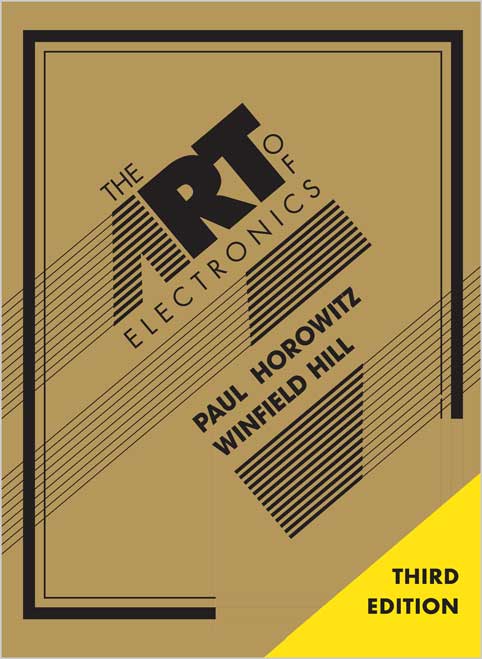
Paul Horowitz, Winfield Hill
#Electronics
#graphs
⚡ این کتاب یکی از معتبرترین و شناختهشدهترین منابع طراحی مدارهای الکترونیکی در جهان است و بسیاری از مهندسان آن را مرجع اصلی کار با مدارهای واقعی میدانند. این کتاب برخلاف بسیاری از متون تئوری، بر درک عملی رفتار مدارها، انتخاب قطعات، طراحی، عیبیابی و تجربه مهندسی واقعی تمرکز دارد.
🔧 ویرایش سوم این کتاب بهطور کامل بازنگری و بهروزرسانی شده و علاوه بر پوشش گستردهتر موضوعات، شامل ۹۰ تصویر اسیلوسکوپ از عملکرد مدارهای واقعی، دهها نمودار اندازهگیریشده از مشخصات قطعات و ۸۰ جدول شامل اطلاعات حدود ۱۶۵۰ قطعه فعال است. این دادههای عملی به مهندسان کمک میکنند هنگام طراحی مدار، انتخابهای دقیقتر و آگاهانهتری داشته باشند.
✨ ویژگیهای کلیدی:
📝 نقد و بررسی
💭 «چه کسی در طول دوران کاری خود یک نسخه ارزشمند از AoE را روی میز کارش نگه نداشته است؟ مهندسان، هکرها و سازندگان از هر نوعی، خوشحال باشید؛ زیرا ویرایش سوم ارزش این همه انتظار را داشت! این کتاب سرشار از دانش کاربردی برای هدایت شما در دنیای الکترونیک، چه در کار و چه در سرگرمی است. یک دانشنامه واقعی از اطلاعات الکترونیک که خواندن آن برای یافتن نکات و ترفندها لذتبخش است و منبعی بیرقیب محسوب میشود.»
— لیمور «لیدیآدا» فرید (Limor “Ladyada” Fried)، Adafruit Industries
💭 «بعد از اینکه فصل ۵ را روی میز مطالعهام گذاشتم، نشستم و آن را خواندم. واقعاً شگفتانگیز است؛ عمیق، گسترده و بسیار دقیق. بهخصوص توضیحات مربوط به تفسیر مشخصات فنی و بررسی دقیق ولتمترهای Agilent بسیار عالی هستند.»
— جیم ویلیامز (Jim Williams)، Linear Technology Corp.
💭 «فصل ۵ تمام خطاها و رفتارهای واقعی مدارهایی را که در سی سال گذشته دیدهام، به شکلی کاملاً عملی و شفاف توضیح میدهد. نمودارها و دادههای واقعی ارائهشده در کتاب فوقالعادهاند و دید بسیار خوبی از ویژگیهای قطعات و مدارها به خواننده میدهند.»
— جان ویلیسون (John Willison)، بنیانگذار Stanford Research Systems
💭 «ویرایش سوم هوروویتز و هیل، نسخههای قبلی را با بهروزرسانیهای گسترده و بدون کاهش کیفیت فنی یا سبک آموزشی، ارتقا داده است. این کتاب دقیقاً برای مهندسانی نوشته شده که با مدارهای واقعی کار میکنند و سرشار از اطلاعات عملی ارزشمندی است که در بسیاری از منابع دیگر یافت نمیشود.»
— والت جانگ (Walt Jung)، نویسنده IC Op-Amp Cookbook
💭 «این اثر عظیم توسط دو متخصص برجسته حوزه الکترونیک ایجاد شده و وضعیت فعلی دانش طراحی مدار را بهخوبی نشان میدهد. بسیاری از بخشهای آن برای دهههای آینده همچنان کاربردی خواهند بود. اطلاعات ارائهشده در کتاب از نظر کیفیت و حجم، فوقالعاده است.»
— Wise Warthog blog
💭 «اگر به دنبال یک مرجع کاربردی و قابلاعتماد در الکترونیک هستید، این کتاب انتخاب بسیار خوبی است. از هوروویتز و هیل بابت بهروزرسانی این اثر کلاسیک تشکر میکنم.»
— لو فرنزل (Lou Frenzel)، Electronic Design
💭 «اگر یک علاقهمند، سازنده یا دانشجوی مهندسی برق هستید که میخواهید دانش خود را در الکترونیک تقویت کنید، The Art of Electronics کتابی ایدهآل است. کتاب از مفاهیم پایه ولتاژ، جریان و مقاومت شروع میکند و بدون وابستگی سنگین به ریاضیات و فیزیک، شما را با طیف گستردهای از موضوعات کاربردی آشنا میکند.»
— ایان بل (Ian Bell)، Everyday Practical Economics
💭 «قدرت این کتاب از پیشینه فیزیکی نویسندگان و نگاه کاربردی آنها ناشی میشود. هدف کتاب ابتدا درک رفتار دستگاهها، مدارها و سیستمهای الکترونیکی است و سپس به جزئیات محاسباتی میپردازد. استفاده گسترده از قطعات تجاری واقعی و هشدارهای حاصل از تجربه مهندسی، این کتاب را به منبعی بسیار ارزشمند برای مهندسان تبدیل کرده است.»
— گرگ اوشیرو (Greg Oshiro)، Journal of the Audio Engineering Society
📖 فهرست مطالب
فصل ۱. اصول الکترونیک
فصل ۲. ترانزیستورها
فصل ۳. مدارهای ترانزیستوری
فصل ۴. تقویتکنندههای عملیاتی
فصل ۵. مدارهای تقویتکننده و ابزار دقیق
فصل ۶. فیلترها
فصل ۷. نوسانسازها و تایمرها
فصل ۸. مدارهای دیجیتال
فصل ۹. میکروکامپیوترها و سیستمهای تعبیهشده
فصل ۱۰. مبدلهای دیجیتال به آنالوگ و آنالوگ به دیجیتال
فصل ۱۱. سنجش و اندازهگیری
فصل ۱۲. منابع تغذیه
فصل ۱۳. مدارهای قدرت
فصل ۱۴. طراحی مدارهای الکترونیکی پیشرفته
👤 درباره نویسندگان
🎓 پل هوروویتز (Paul Horowitz) استاد فیزیک دانشگاه هاروارد است. او بنیانگذار درس آزمایشگاه الکترونیک در دانشگاه هاروارد در سال ۱۹۷۴ بود که پایه شکلگیری کتاب The Art of Electronics شد. او از پیشگامان پروژه جستوجوی هوش فرازمینی (SETI) بوده و در زمینههای اخترفیزیک رصدی، میکروسکوپی پرتو ایکس، تداخلسنجی نوری و طراحی تجهیزات علمی فعالیت داشته است. او بیش از ۲۰۰ مقاله و گزارش علمی منتشر کرده و ابزارهای الکترونیکی و تصویربرداری متعددی طراحی کرده است.
🎓 وینفیلد هیل (Winfield Hill) در مراکز مختلفی از جمله مرکز طراحی الکترونیک دانشگاه هاروارد و Rowland Institute for Science فعالیت کرده است. او مدیر مهندسی الکترونیک این مؤسسه بوده و بیش از ۲۵۰ ابزار الکترونیکی طراحی کرده است. حوزههای تخصصی او شامل مدارهای فرکانس بالا، سیستمهای ولتاژ بالا و طراحی الکترونیک دقیق است.
At long last, here is the thoroughly revised and updated third edition of the hugely successful The Art of Electronics. It is widely accepted as the best single authoritative book on electronic circuit design. In addition to new or enhanced coverage of many topics, the third edition includes 90 oscilloscope screenshots illustrating the behavior of working circuits, dozens of graphs giving highly useful measured data of the sort that is often buried or omitted in datasheets but which you need when designing circuits, and 80 tables (listing some 1650 active components), enabling intelligent choice of circuit components by listing essential characteristics (both specified and measured) of available parts. The new Art of Electronics retains the feeling of informality and easy access that helped make the earlier editions so successful and popular. It is an indispensable reference and the gold standard for anyone, student or researcher, professional or amateur, who works with electronic circuits.
Review
"Who among us has not kept a cherished copy of AoE on our workbench throughout our careers? Engineers, hackers and makers of all stripes, rejoice for the third edition has been worth the wait! Packed with tons of delicious knowledge to navigate electronics in both work and hobby. An encyclopedia of electronics knowledge, [The Art of Electronics] is a pleasure to read through for tips and tricks and is an unbeatable resource. Take a day out to read a chapter - you will learn things you didn't even know you didn't know. Or, refer to the pin outs, diagrams, and techniques as necessary to guide you through a difficult project. If you think electrical engineering is magical then you must pick up this tome."
— Limor 'Ladyada' Fried, Adafruit Industries.
"First of all, after I forklifted [Chapter 5] onto my reading table, I sat down and read it. It is simply spectacular. That may be an overly exclamatory language, but it is the only appropriate verbiage I can summon. Spectacular, deep and wide. I especially like the comments about interpreting specifications and the deconstruction of the Agilent voltmeters is just, well, wonderful."
—Jim Williams, Linear Technology Corp.
"Wow. Chapter 5 details every circuit artifact that I've encountered in the past thirty years in a through, pragmatic, and straightforward way. My only 'twinge' is that [it] disclosed and explained (in glorious graphical detail and with real part numbers) many topics that I thought were my personal trade secrets. I love the plots. I know that it must take an enormous effort to collate all of the device characteristics. It's worth the effort. The way, it present's the data allows the reader to get terrific perspective on a lot of landscape in a single view. Nice work."
— John Willison, founder, Stanford Research Systems.
"Horowitz and Hill's third edition, beautifully upgrades their earlier work, with substantial updates to detail, and without compromise to style, content, or technical quality. Like the second edition I've used for years, it is laser-focused on the working engineer. Delivered in folksy Horowitz and Hill style, it is rich with the kind of nitty-gritty information that's invaluable to circuit designers and manufacturers, much of which is absent (or difficult to find) elsewhere. This new book is a superb update, one which I'm sure will be treasured by those close to the art of analog circuitry."
— Walt Jung, author, IC Op-Amp Cookbook.
"This epic work was created by two of the best experts in the field (with many others providing information). It defines the current state of the art in electronics. Most parts of the book will continue to be relevant for several decades. The 1124 pages (even more densely packed with highly accurate information than the pages of the second edition) will delight everyone who already knows about electronics. It is almost certain that you will like the third edition even more than the second. The information that is now available in the book is absolutely fantastic, both the quality and the quantity, and you should get [it] as soon as you can"
— Wise Warthog blog.
"If you are looking for a handy and very practical electronics reference book, this is a good one. I think you will enjoy it. Thanks to Horowitz and Hill for updating this classic."
— Lou Frenzel, Electronic Design (electronicdesign.com).
"If you are a hobbyist or maker who wants to acquire or improve a well-rounded knowledge of electronics then The Art of Electronics is an ideal book for you. It starts from the very basics of voltage, current and resistance without getting heavily dependent on physics theory or mathematics, and proceeds to cover a huge variety of interesting topics. For electronic engineering students, [this book] will help you develop the intuitive understanding, which will make it easier to put the maths in context, and it will be invaluable when you do practical work for design projects. The Art of Electronics brilliantly conveys its authors’ enthusiasm and experience of practical engineering and is an inspiring read. Many people have described the earlier editions as the best book on electronics, so [this third edition] had a lot to live up to; fortunately, it does not disappoint. It deserves its gold cover."
— Ian Bell, Everyday Practical Economics.
'I believe the strength of this book stems from the authors’ background in physics. The key being that electronics is not their primary interest. This ‘application perspective’ is most evident in their presentation: the material is presented with the goal of understanding the behavior of electronic devices, circuits, and systems before the nitty-gritty details of calculating the behaviour. The authors are also liberal in their use of commercially available parts in their presentation, something rarely, if ever, seen in a typical textbook. There is an abundance of warning, based on real-world experience, of the many traps that lie in wait for the practitioner of the electronic art. In spite of the analog bent, the digital information in this book is an excellent source for the analog engineer to get started using digital systems for the control of analog circuits. All in all, a highly recommended addition to the working engineer’s bookshelf.
— Greg Oshiro , Journal of the Audio Engineering Society.
The new gold standard and indispensable reference for anyone, student or researcher, professional or amateur, who works with electronic circuits.
Paul Horowitz is Professor of Physics at Harvard University, where he originated the Laboratory Electronics course in 1974, from which emerged The Art of Electronics. He was one of the pioneers of the search for intelligent life beyond the Earth, and one of the leaders behind SETI. Other research interests include observational astrophysics, x-ray and particle microscopy, and optical interferometry. He is the author of some 200 scientific articles and reports, has consulted widely for industry and government, and is the designer of numerous electronic and photographic instruments.
Winfield Hill has held positions at numerous organisations, including Harvard University's Electronic Design Center and Sea Data Corporation. Currently he is the Director of Electronics Engineering at the Rowland Institute for Science where he has designed some 250 electronic instruments. Recent interests include high-voltage RF (to 15kV) and precision high-current electronics (to 6000A).