ثبت نام / ورود
0
ثبت نام / ورود
0
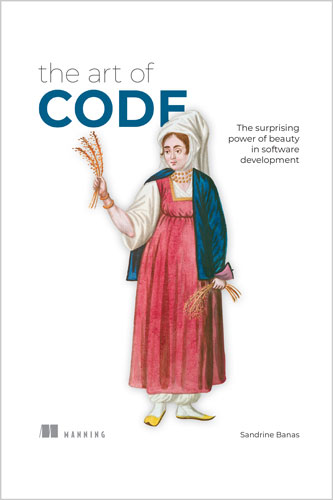
The surprising power of beauty in software development
Sandrine Banas
#software_development
💻 توسعه نرمافزار ذاتاً یک فعالیت خلاقانه است، اما ما مرتب اون رو به کاری فرمولی و مکانیکی تبدیل میکنیم. این کتاب نشون میده زیباییشناسی چرا در برنامهنویسی اهمیت داره و کد شیک و خوشساخت چطور میتونه مزیتهای عملی عمیقی ایجاد کنه.
✨ وقتی زیبایی کد رو در اولویت قرار میدی، استاندارد کل کدبیس رو بالا میبری. نگهداری و توسعه کد راحتتر میشه و دولوپرهای جدید سریعتر با پروژه ارتباط میگیرن؛ حتی، یا شاید مخصوصاً، وقتی از Agentic Coding استفاده میکنی. این راهنما توضیح میده کدنویسی هنرمندانه چطور مستقیماً باگها رو کمتر میکنه، دوام سیستم رو بالا میبره و رضایت شخصی تو از برنامهنویسی رو عمیقتر میکنه.
🌹 در مرکز کتاب، مدل رزت قرار داره؛ یک فریمورک ساختاریافته که هشت بُعد بههمپیوسته کیفیت کد رو ترسیم میکنه. در این مدل، دوام پایه اصلیه و خلاقیت در مرکز قرار داره؛ در حالی که ویژگیهای همپوشانی مثل سادگی، بیانپذیری و پایداری از اون پشتیبانی میکنن.
💬 همونطور که الیور فورال از Reason Benefit Corporation میگه: «مدل رزت به زیبایی یک ساختار مشخص میده، بهجای اینکه اون رو به یک آرزوی مبهم محدود کنه، و قدرتش رو با ریفکتورهای درخشان قبل و بعد نشون میده.»
📖 کتاب برای ایجاد یک ساختار روایی در کلاسها و بخشهای مختلف کد، فریمورک کاملاً تازهای با عنوان پنج پیرنگ بنیادی معرفی میکنه. این ابزار طراحی، منطق کسبوکار Enterprise رو از یک فهرست خشک از دستورها به داستانی خوانا تبدیل میکنه که حول پنج محور شکل گرفته: تحویل، پاکسازی، دفاع، آرشیو و تبدیل.
🧩 این کتاب با وجود حجم جمعوجورش، در ۱۰ فصل جامع و چند پیوست عملی غنی، یک نقشهراه منسجم و حرفهای ارائه میده. با پترنهای کاربردی طراحی سبز، استراتژیهای مدیریت خطا و اصلهای شیک مدلسازی داده آشنا میشی؛ مفاهیمی که فاصله بین تئوری معماری سطح بالا و کدنویسی روزمره رو پر میکنن.
🤖 در دوران کدنویسی ایجنتی با AI، قضاوت طراحی انسان بیشتر از همیشه اهمیت داره. ابزارهای AI معمولاً کیفیت کدهای اطراف خودشون رو بازتاب میدن؛ کد تمیز، خروجی تمیز تولید میکنه و فایلهای آشفته، نقصها رو گسترش میدن.
⚠️ بدون راهنمایی درست، AI چیزی به نام بدهی فهم ایجاد میکنه؛ کدی که کامپایل میشه، اما هیچکدوم از اعضای تیم واقعاً درکش نمیکنن. همینطور ممکنه راهکارهایی شکننده و وصلهپینهشده ارائه بده. این کتاب کمکت میکنه نقش یک مدیر خلاق ضروری رو داشته باشی، اصلهای زیباییشناختی رو به پرامپتهای قابلاستفادهمجدد برای AI تبدیل کنی و مسئولیت نهایی طراحی رو در اختیار خودت نگه داری.
📦 داخل کتاب چه چیزهایی هست
📚 منطق کد رو با فریمورک پنج پیرنگ بنیادی، شیک و منظم ساختاردهی میکنی
🌹 با استفاده از مدل رزت، پیچیدگی شناختی رو بهشکل سیستماتیک کاهش میدی
🌱 با پترنهای عملی طراحی سبز، اثر محیطزیستی نرمافزار رو کمتر میکنی
🤖 با حذف بدهی پرهزینه فهم، کیفیت برنامهنویسی AI-Assisted رو بالا میبری
👤 این کتاب برای چه کسانیه؟
👨💻 این کتاب برای برنامهنویسهاییه که میخوان از نوشتن کدی که فقط کار میکنه عبور کنن و به سطح بالاتری از مهارت و هنر در مهندسی نرمافزار برسن.
📖 فهرست مطالب
فصل ۱. زیباییشناسی کد
فصل ۲. کد روایی
فصل ۳. هنر پیچیده سادگی
فصل ۴. بیان روشن هدف با مدلسازی شیک داده
فصل ۵. بیانپذیری
فصل ۶. پذیرش خلوص با برنامهنویسی تابعی
فصل ۷. مدیریت شایسته شکست
فصل ۸. پایداری
فصل ۹. دوام در طراحی نرمافزار
فصل ۱۰. خلاقیت در کد و حل مسئله
پیوست A
👤 درباره نویسنده
👩💻 ساندرین باناس متخصص ارشد Java، Tech Lead و یکی از علاقهمندان جدی Software Craftsmanship است که بیش از ۲۵ سال تجربه در صنعت نرمافزار داره. او مدرک Oracle Certified Professional رو دریافت کرده و درباره کیفیت کد و مهارت حرفهای برنامهنویسی در کنفرانسهای مطرحی مثل Devoxx، Volcamp، Mixit، Snowcamp و Agile Grenoble سخنرانی کرده.
✍️ او با ترکیب تجربه عمیق Java، رهبری فنی و علاقه به ساخت نرمافزارهای زیبا و ماندگار، تلاش میکنه برنامهنویسها رو از کدنویسی صرفاً کاربردی به سمت Software Craftsmanship واقعی هدایت کنه.
Software development is an inherently creative activity, and yet we regularly reduce it to the formulaic or mechanical. This book reveals how aesthetics can be important in programming and why elegant code often yields profound practical benefits. By prioritizing code beauty you raise the standards of your entire codebase. You make it easier to maintain, extend, and onboard developers, even (or especially) when you’re doing agentic coding. This guide for developers discusses how artful coding directly reduces bugs and increases system durability. It will deeply enhance your personal satisfaction as a developer.
At the heart of this book lies the “rosette model,” a structural framework that maps eight interlocking dimensions of code quality. It places durability as the foundation, with creativity at the center supported by overlapping traits like simplicity, expressiveness, and sustainability. As reviewer Oliver Forral from Reason Benefit Corporation notes, “The rosette model gives ‘beauty’ a concrete structure instead of leaving it as a vague aspiration, illustrating its power through brilliant before-and-after refactorings.”
To bring narrative structure to your classes, the book introduces a genuinely original “five fundamental plots” framework. This unique design tool elevates enterprise business logic from a list of instructions into a readable story structured around Delivering, Cleaning, Defense, Archiving, and Transformation.
Concise yet complete, this book’s 10 comprehensive chapters and rich practical appendixes present a cohesive, masterfully written roadmap. It equips you with actionable green design patterns, error-handling strategies, and elegant data modeling principles that bridge the gap between high-level architectural theory and everyday coding practice.
In today's era of agentic AI coding, human design judgment matters more than ever. AI tools mirror the surrounding code quality. Clean code yields clean generation, while messy files propagate flaws. Without guidance, AI introduces "comprehension debt”—code that compiles but no team member understands—and applies fragile, patched-together fixes. This book empowers you to act as an essential creative director, translating aesthetic principles into reusable AI prompts and maintaining final design responsibility.
What's inside
• Structure logic elegantly using the five fundamental plots framework
• Leverage the rosette model to systematically reduce cognitive complexity
• Reduce ecological footprint using practical green design patterns
• Elevate AI-assisted programming by eliminating costly comprehension debt
About the reader
Written for programmers seeking to transition from functional writing to elite software craftsmanship.
About the author
Sandrine Banas is a senior Java expert, lead tech, and passionate software craftswoman with over 25 years of experience in the industry. She is an Oracle Certified Professional and speaks on code quality and craftsmanship at notable technology conferences such as Devoxx, Volcamp, Mixit, Snowcamp, and Agile Grenoble.
Table of Contents
1. The aesthetics of code
2. Narrative code
3. The complex art of simplicity
4. Expressing clarity of intent through elegant data modeling
5. Expressiveness
6. Embracing purity with functional programming
7. Handling failure with grace
8. Sustainability
9. Durability in software design
10. Creativity in code and problem-solving
A. Appendix
About the Author
Sandrine Banas is a senior Java expert, lead tech, and passionate software craftswoman with over 25 years of experience. An Oracle Certified Professional, she has spoken about these ideas at conferences including Devoxx, Volcamp, Mixit, Snowcamp, and Agile Grenoble.