ثبت نام / ورود
0
ثبت نام / ورود
0
Richard Heimann
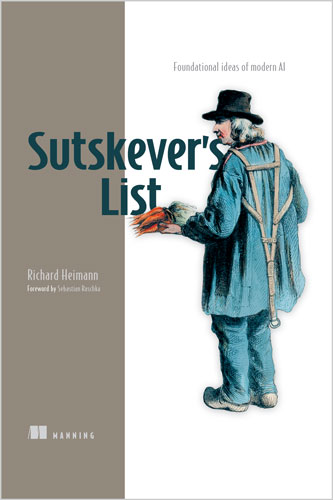
#Sutskever
#AI
#GPU
#ResNet
#AlexNet
💬 «این دقیقاً همان زاویه دیدیه که این حوزه بهش نیاز داشت. کتاب Sutskever’s List این دیدگاه رو با دقت و وفاداری تاریخی ارائه میده.»
—یانپینگ هوانگ، Google
📘 کتاب Sutskever’s List یک سفر فکری هدایتشده در میان ایدههاییه که باعث شدن هوش مصنوعی مدرن ناگهان ممکن به نظر برسه. هر فصل بر پایه مقالهها، کتابها یا منابع مشخصی از فهرست سوتسکور نوشته شده. البته تمرکز اصلی روی خود مقالهها نیست؛ نویسنده از اونها بهعنوان نقطه ورود استفاده میکنه تا پیشرفتهای بزرگتر، بحثها، ارتباط بین ایدهها و تغییرهای فکریای رو بررسی کنه که کل این حوزه رو متحول کردن.
🚀 داستان با AlexNet شروع میشه؛ جایی که ترکیب داده، GPU و مهارت در آموزش مدلها باعث شد دیگه نتونیم شبکههای عصبی رو نادیده بگیریم. بعد به ResNet میرسه؛ جایی که عمق شبکه بهجای یک مشکل، به یک ابرقدرت تبدیل میشه. از اینجا به بعد، روایت با مدلهای Sequence، سیستمهای تشخیص گفتار، Attention، Transformerها و Hyperscale سرعت میگیره و نشون میده AI چطور از گلوگاههای قدیمی عبور کرد و از پایه برای رشد و اسکیل شدن ساخته شد.
🧩 فصلهای بعدی سراغ سؤالهای عمیقتری میرن: آیا این سیستمها واقعاً میتونن استدلال کنن؟ چطور ممکنه از دل پیچیدگی، سادگی بیرون بیاد؟ و وقتی قابلیتهای AI کمکم عجیب و غیرعادی به نظر میرسن، هوش و ایمنی دقیقاً چه معنایی پیدا میکنن؟ منتقدها از «دانش فوقالعاده عمیق، دقیق و ظریف» هایمن و «حجم عظیم مطالب ارزشمند» جمعآوریشده در کتاب تعریف کردهاند. با این حال، کتاب همچنان خیلی روان خونده میشه و مقالههای دشوار رو به یک «مسیر ورود هدایتشده» تبدیل میکنه؛ چیزی که خود اون مقالهها بهتنهایی برای ارائهاش طراحی نشده بودن.
🌍 در طول کتاب میفهمی نتایج انتزاعی آزمایشگاهی چطور به پیامدهای واقعی در دنیا تبدیل شدن؛ از تغییر معماریها گرفته تا سیاستهای داخلی سازمانها. هایمن با توضیح روشن تکنولوژیهای اصلی AI که در مجموعه مقالههای مهم سوتسکور مطرح شدهاند، انتخابهای رایج مهندسی رو بررسی میکنه و نقاط قوت و محدودیتهای Deep Learning رو بدون افتادن در دام هیجانزدگی یا بدبینی ارزیابی میکنه. کانسپتهای پیچیده هم با مثالهای مرتبط، روایتهای زنده و اینسایتهای عملی مهندسی روشن میشن.
🪜 هرکدوم از مقالههای اصلی بررسیشده در Sutskever’s List یک پله مهم در مسیر تکامل AI هستن. ریچارد هایمن پیشزمینه فنی عمیق خودش رو با نگاه ژورنالیستی ترکیب میکنه، هیچوقت ملاحظات عملی رو فراموش نمیکنه و نقطه شروع خوبی میده تا بفهمی این تکنولوژی در ادامه به کجا میره.
📚 کتاب Sutskever’s List شامل ۹ فصل، یک مؤخره و یک پیوست عملیه و آموزش فنی رو بهشکل روان با کانتکست فرهنگی و تاریخی ترکیب میکنه. نتیجه، کتابیه که جریان منطقی خوبی داره، راحت میشه در اون مسیر رو پیدا کرد و از نظر فنی هم عمیقه؛ بدون اینکه خواننده نیاز به پیشزمینه تخصصی داشته باشه.
📌 داخل کتاب چه چیزهایی هست
📄 باز کردن و فهم مقالههای مهم AI، از AlexNet تا Transformerها
📈 درک Scaling Lawها، مدلهای Reasoning و ایمنی AI
🏗️ پترنهای مهندسیای که از پژوهش تا سیستمهای واقعی اسکیل میشن
👤 این کتاب برای چه کسانیه؟
🤖 این کتاب برای هر کسیه که به AI مدرن و Deep Learning علاقه داره. هیچ دانش تخصصی قبلی لازم نیست.
👤 درباره نویسنده
👨💻 ریچارد هایمن تخصص عمیق خودش در AI و Machine Learning رو در نقشهای فنی و استراتژیک در صنعت، دانشگاه و دولت توسعه داده. او مهارت بالایی در تبدیل ایدههای پیچیده به اینسایتهای روشن و جذاب داره؛ برای مخاطبهایی از متخصصهای فنی گرفته تا سیاستگذارها.
📖 فهرست مطالب
فصل ۱. ایلیا چه چیزی دید؟
فصل ۲. لحظه AlexNet
فصل ۳. انقلاب ResNet
فصل ۴. شتاب گرفتن Deep Learning
فصل ۵. Attention تمام چیزی است که نیاز دارید
فصل ۶. تولد Hyperscale
فصل ۷. چرخش به سمت Reasoning
فصل ۸. سادگی پنهان در پیچیدگی
فصل ۹. ابرهوش ایمن
مؤخره. قطعههای گمشده
پیوست. پترنهای طراحی برای مهندسها
💬 نظرها درباره Sutskever’s List
💭 «اگر میخوای بفهمی روشهای امروزی از کجا اومدن، چه چیزهایی باعث شکل گرفتنشون شد، و چطور تعداد نسبتاً کمی ایده مسیر این حوزه رو تعیین کردن، این کتاب یکی از بهترین نقطهها برای شروعه.»
—از پیشگفتار سباستین راشکا، نویسنده کتاب Build a Large Language Model (From Scratch)
💭 «مروری روشن، خلاصه و دارای کانتکست مناسب از مهمترین پیشرفتهای پژوهش AI از دهه ۱۹۹۰ ارائه میده. خواندنش خیلی لذتبخشه و نویسنده شخصیت سوتسکور و همکارهاش رو بهشکل خوبی وارد روایت بزرگتر میکنه.»
—نیکو اسموتس، مدیر اجرایی Data Science
💭 «نویسنده حاضر نیست با Sutskever’s List مثل چیزی که در نگاه اول به نظر میرسه برخورد کنه؛ یعنی فقط یک فهرست مطالعه و مجموعهای از مقالهها که باید جداگانه خونده بشن. در عوض، اون رو به یک سفر فکری دقیق و استدلالشده تبدیل میکنه.»
—فرانسیسکو پرز-سوروسال، مهندس و مشاور مستقل AI
💭 «این کتاب نقش مهمی در ساخت یک تصویر ذهنی از ایدههای اصلیای داره که موفقیتهای امروز AI رو شکل دادن و نشون میده این ایدهها چطور با هم ارتباط دارن.»
—استفانو لوتینی، مهندس نرمافزار
💭 «نویسنده دانش فوقالعاده عمیق، دقیق و ظریفی درباره این حوزه داره.»
—وندی لانگر، Good Stuff! Tutoring
💭 «اگر میخوای تاریخ، گستردگی و عمق Deep Learning رو از طریق فهم مقالههای پژوهشی پایه یاد بگیری، Sutskever’s List تمام چیزیه که نیاز داری. شهودهای نویسنده در پایان هر فصل پر از خرد و اینسایته و واقعاً از خوندنشون لذت میبری.»
—باوین تاکر، New Relic
💭 «خیلی دوست داشتم که نویسنده این کتاب رو به شکل یک داستان درآورده. از اول تا آخر از خوندنش لذت بردم.»
—جی کلکار، Kelkar Systems
💭 «فصل ۸ تصویر خیلی روشنی از Complexity و پژوهشهای Grokking بهم داد؛ چیزی که قبلاً نداشتم.»
—لئو هووینن، Tampere University
👤 درباره نویسنده
👨💻 ریچارد هایمن تخصص عمیق خودش در AI و Machine Learning رو در نقشهای فنی و استراتژیک در صنعت، دانشگاه و دولت توسعه داده. کار او حوزههایی مثل شبکههای عصبی، Generative AI و اپلیکیشنهای تحولآفرین رو پوشش میده و با چندین دهه بحث فلسفی در این زمینه هم آشناست. او نویسنده چند کتابه و مهارت بالایی در تبدیل ایدههای پیچیده به توضیحهای روشن و جذاب برای مخاطبهایی از متخصصهای فنی تا سیاستگذارها داره.
"A perspective the field has needed. Sutskever’s List delivers it with care and historical accuracy.”
—Yanping Huang, Google
Sutskever’s List is a guided intellectual journey through the ideas that made modern AI suddenly possible. Each chapter is anchored in specific papers, books, or other sources from Sutskever’s list. The papers themselves are not the focus. Instead, the author uses them as entry points into the larger breakthroughs, arguments, interconnections, and shifts in thinking that transformed the field.
It begins with AlexNet, where data, GPUs, and training craft made neural networks impossible to dismiss, then moves to ResNet, where depth becomes a superpower rather than a liability. From there, the story accelerates through sequence models, speech systems, attention, Transformers, and hyperscale, showing how AI escaped older bottlenecks and became built to grow.
Later chapters ask whether these systems can reason, why simplicity can emerge from complexity, and what intelligence and safety mean once AI capabilities begin to feel uncanny. Reviewers praise Heimann’s “exquisitely deep, detailed, and nuanced knowledge” and the “massive amount of gold material” gathered here. Yet the book remains remarkably easy to read, turning difficult papers into a “guided initiation those papers were never designed to provide on their own.”
As you go, you’ll understand how abstract lab results have translated into real-world consequences, including shifting architectures and internal organizational politics. With lucid explanations of the core technologies of AI as defined in Sutskever’s collection of seminal papers, Heimann explores common engineering choices, evaluating the strengths and limits of deep learning without falling for hype or cynicism. Complex concepts are clarified through relevant examples, vivid anecdotes, and practical engineering insights.
Each of the core papers examined in Sutskever’s List represents a crucial steppingstone in the evolution of the AI. You’ll love how Richard Heimann combines a deep technical background with a journalistic eye, never losing sight of practical considerations and providing a stepping off point to understand where the technology goes next.
Sutskever’s List features nine chapters, an epilogue, and a practical appendix, smoothly blending technical instruction with cultural and historical context. The result is a logically flowing book that remains highly accessible, navigable, and technically deep without requiring the reader to have a specialist’s background.
What's inside
• Decoding landmark AI papers from AlexNet to transformers
• Understanding scaling laws, reasoning models, and AI safety
• Engineering patterns that scale from research to real-world systems
About the reader
For anyone interested in modern AI and deep learning. No specialist knowledge required.
About the author
Richard Heimann has honed his deep AI and machine learning expertise across technical and strategic roles in industry, academia, and government. He excels at translating complex ideas into clear, engaging insights for audiences from practitioners to policymakers.
Table of Contents
1 What did Ilya see?
2 The AlexNet moment
3 ResNet revolution
4 Deep learning accelerates
5 Attention is all you need
6 The birth of hyperscale
7 The pivot to reasoning
8 Simplicity, hidden in complexity
9 Safe superintelligence
Epilogue: The missing pieces
Appendix: Design patterns for engineers
Praise for Sutskever’s List
“If you want to learn where today’s methods came from, what motivated them, and how a relatively small set of ideas helped define the trajectory of the field, this is an excellent place to begin.”
—From the Foreword by Sebastian Raschka, author of Build a Large Language Model (From Scratch)
“Provides a clear, concise, and well-contextualized overview of the most important breakthroughs in AI research since the 1990s. It’s a highly enjoyable read, with the author weaving the personalities of Sutskever and his peers into the broader narrative.”
—Nico Smuts, Data Science Executive
“The author refuses to treat Sutskever’s List as what it superficially appears to be—just a reading list, paper after paper that you have to treat in isolation. Instead, the author reconstructs it as a carefully argued intellectual journey.”
—Francisco Perez-Sorrosal, Independent AI Engineer and Advisor
“The book is instrumental in forming a mental picture of the main ideas that shaped today’s achievements in AI and their interplay.”
—Stefano Lottini, Software Engineer
“The author has an exquisitely deep, detailed, and nuanced knowledge of the subject area.”
—Wendy Langer, Good Stuff! Tutoring
“Sutskever’s List is all you need if you want to learn the history, breadth, and depth of deep learning by understanding foundational research papers! The author’s intuitions at the end of each chapter contain so much wisdom and insight—you will love reading them.”
—Bhavin Thaker, New Relic
“I like how the author made this book into a story. I enjoyed it thoroughly.”
—Jay Kelkar, Kelkar Systems
“Chapter 8 gave me a clear conceptualization of complexity and grokking research that I didn’t have before.”
—Leo Huovinen, Tampere University
Richard Heimann has honed his deep AI and machine learning expertise across technical and strategic roles in industry, academia, and government. His work spans neural networks, generative AI, and transformative applications, and he is versed in decades of philosophical debate. An author of several books, he excels at translating complex ideas into clear, engaging insights for audiences from practitioners to policymakers.