ثبت نام / ورود
0
ثبت نام / ورود
0
Song Yang
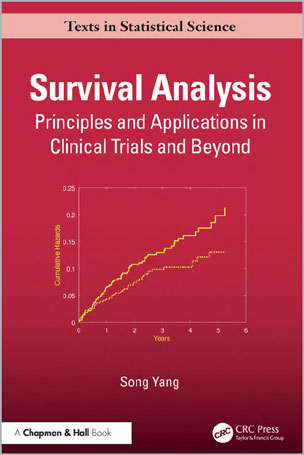
#Survival_Analysis
#Clinical
#Trial
#Risks_Analysis
#Event_Analysis
📊 تحلیل بقا؛ از مبانی کلاسیک تا چالشهای پیشرفتهی Clinical Trialها
🧠 Survival Analysis یا «تحلیل بقا» یکی از مهمترین شاخههای آمار کاربردیه که توی حوزههایی مثل تحقیقات پزشکی، علوم بیمه، تحلیل قابلیت اطمینان سیستمها، اقتصادسنجی، تحلیل مشتری، علوم اجتماعی و طراحی Clinical Trialها استفاده میشه.
📈 این حوزه توی دهههای اخیر پیشرفتهای خیلی بزرگی داشته، ولی بخش زیادی از این پیشرفتها داخل مقالههای پراکندهی تئوری و کاربردی باقی مونده و معمولاً تمرکز اونها بیشتر روی تحلیل اکتشافی بوده تا طراحی و تحلیل واقعی Clinical Trialها.
⚠️ موضوعاتی مثل Non-Proportional Hazards هنوز هم درست و کامل پوشش داده نمیشن. همینطور مباحث مهمی مثل Competing Risks یا رویکرد Counting Process برای خیلی از متخصصها همچنان مبهم و سختفهم باقی مونده. نتیجه اینه که این مفاهیم کلیدی معمولاً یا اشتباه تفسیر میشن یا اصلاً تحلیل درستی روی اونها انجام نمیشه.
📘 این کتاب دقیقاً برای پر کردن همین خلأها نوشته شده و یک توضیح بهروز، روان و کاربردی از تحلیل بقا ارائه میکنه؛ از مفاهیم پایه مثل Log-Rank Test، تحلیل لایهبندیشده و مدل Cox Regression گرفته تا مباحث پیشرفتهتر و مدرن.
🧩 نویسنده تلاش کرده بهجای ارائهی اثباتهای خشک و سنگین، بیشتر از توضیحهای شهودی و Heuristic استفاده کنه و اثباتهای دقیق ریاضی رو به Appendixها منتقل کنه تا جریان اصلی کتاب برای خواننده روانتر باقی بمونه.
🧪 کتاب فصلهای مستقلی برای موضوعات مهمی مثل مبانی Clinical Trialها، مدلسازی در شرایط Non-Proportional Hazards، خلاصهسازی اثر درمان، طراحی مطالعه، Interim Monitoring و تحلیل رخدادهای Terminal و Non-Terminal داره.
📚 یکی از بخشهای ارزشمند کتاب، توضیح مفصل دربارهی Martingale Heuristics و Counting Processes هست؛ موضوعی که توی خیلی از کتابهای آمار فقط خیلی سطحی بهش پرداخته میشه.
🔁 در حوزهی Recurrent Event Analysis هم کتاب فرمولبندی دقیق مدلهای Marginal و ویژگیهای آماری اونها رو بررسی میکنه که برای کاربردهای پژوهشی خیلی مهمه.
🌍 این کتاب هم جنبهی تئوری تحلیل بقا رو پوشش میده و هم کاربردهای واقعی اون رو با استفاده از دادههای Clinical Trial واقعی نشون میده.
⚙️ روشهای مختلف باهم مقایسه میشن، مزایا و محدودیتهای هرکدوم بررسی میشه و روی فرضیات مدلها و تفسیر نتایج تأکید زیادی وجود داره.
💻 برای روشهای جدیدتر هم پکیجهای R معرفی شدن تا خواننده فقط در سطح تئوری باقی نمونه و بتونه مدلها رو واقعاً پیادهسازی کنه.
🎓 این کتاب یک منبع مدرن، دقیق و درعینحال قابلفهم برای دانشجویان تحصیلات تکمیلی، پژوهشگرها و متخصصهای صنعت، دانشگاه یا سازمانهای دولتیه که میخوان درک عمیقتری از تحلیل بقا و روشهای پیشرفتهی اون داشته باشن.
✨ ویژگیهای کلیدی کتاب
📌 تمرکز جدی روی تفسیر مدلها و مقایسهی روشهای مختلف
📌 توضیح شهودی و قابلفهم روشها و فرمولها
📌 استفاده از دادههای واقعی Clinical Trialها
📌 معرفی پکیجهای R برای روشهای مدرنتر
📌 پوشش مباحث جدید و بهروز پژوهشی
📌 استفاده از روشهای تحلیلی مدرن و Asymptotic Theory در Appendixها
📚 فهرست مطالب
👨🏫 درباره نویسنده
🧠 «سانگ یانگ» از سال ۲۰۰۳ بهعنوان Senior Mathematical Statistician در دفتر Biostatistics Research مؤسسهی NHLBI وابسته به NIH فعالیت میکنه.
🎓 قبل از اون، استادتمام و هماهنگکنندهی بخش آمار در دپارتمان ریاضی و آمار دانشگاه Texas Tech University بوده.
📘 او همچنین Associate Editor ژورنالهای Lifetime Data Analysis و Statistics and Probability Letters هست و دورههای تخصصی زیادی دربارهی تحلیل بقا و Clinical Trialها در کنفرانسهای JSM و ICSA برگزار کرده.
📑 سابقهی طولانی او در انتشار مقالههای متدولوژی و تحقیقات بالینی باعث شده این کتاب هم از نظر تئوری قوی باشه و هم از نظر کاربرد عملی کاملاً واقعگرایانه و قابلاستفاده.
Survival analysis is crucial in many fields, including biomedical research, actuarial science, reliability analysis, business and customer analytics, econometrics, and social science. It has witnessed significant advancements in recent decades. However, most of this progress remains in scattered theoretical and applied publications, often focusing on exploratory analysis rather than the design and analysis of clinical trials. Non-proportional hazards are less well addressed. Competing risks are frequently overlooked, and the counting process approach often remains a mystery to many practitioners. Consequently, these critical topics are often not well understood or thoroughly analyzed
gaps. It provides an up-to-date and reader-friendly account of topics, progressing from the log- rank test, stratified analysis, and Cox regression to more advanced analyses. Heuristic arguments are used, leaving rigorous results to the appendices. The book dedicates separate chapters to topics such as clinical trials basics, modeling and analysis for non-proportional hazards, testing and summarizing treatment effects, trial design and interim monitoring, and the analysis of terminal and non-terminal events. A separate chapter is also devoted to detailed martingale heuristics beyond what is typically offered in other texts. Furthermore, a new contribution to recurrent event analysis is the rigorous formulations of marginal models and an exploration of related properties for statistical applications. The often overlooked one- and two-sample cases are also discussed.
This book provides an exposition of both the theory and practical applications of survival analysis, covering traditional topics and more recent advancements. It illustrates the methods with real-world data, discussing the strengths and limitations of various approaches, and emphasizing modeling assumptions and interpretations. The three appendices offer overviews of modern analytic frameworks pivotal for understanding and developing challenging yet vital statistical solutions. R packages are also available for newer methods. It is an up-to-date, critical, and accessible textbook for graduate students and researchers across industry, government, or academia that will enhance their understanding of complex topics, boosting their confidence in exploring different methods and interpreting the findings. It also encourages a critical evaluation of current literature and motivates the readers to develop new research ideas.
Key Features:
• Emphasis on model interpretations and comparison of different methods
• Intuitive explanations and heuristic derivation of the methods
• Real large trial data applications and R packages for newer methodologies
• Inclusion of more recently researched topics
• Modern analytical methods applied to rigorous asymptotics for key problems (in appendices)
Table of Contents
1. Clinical Trial Basics
2. Estimation and Comparison of Survival Curves
3. Parametric Distributions
4. Large-Sample Theory for Inference in Parametric Models
5. Cox Proportional Hazards Model
6. Time-Dependent Covariates and Cox Multiplicative Hazards Model
7. The Model of Short-Termand Long-Term Hazard Ratios
8. Other Semiparametric Models
9. Testing and Summarizing Differences Between Comparison Groups
10. Sample Size, Power, and Interim Monitoring
11. Counting Processes and Martingales
12. Correlated Survival Data
13. Competing Risks Analysis
14. Analysis of Terminal and Non-Terminal Events
15. Recurrent Event Analysis
A. Measure and Integration Theory Basics
B. Counting Process and Martingale Theory Basics
C. Convergence of Random Functions
About the Author
Song Yang has been a senior mathematical statistician in the Office of Biostatistics Research, NHLBI, NIH, since 2003, following his tenure as a full professor and Statistics Coordinator in the Department of Mathematics and Statistics at Texas Tech University. He serves as an associate editor for Lifetime Data Analysis and Statistics and Probability Letters, and has given several short courses at JSM and ICSA meetings on survival analysis and clinical trials. His extensive publications in methodology and clinical research journals reflect his long experience in both