ثبت نام / ورود
0
ثبت نام / ورود
0
Rudolf Kippenhahn, Alfred Weigert, Achim Weiss
#Stellar
#Evolution
#Energy
#Virial_Theorem
#Equation
#Neutron_Stars
#Black_Holes
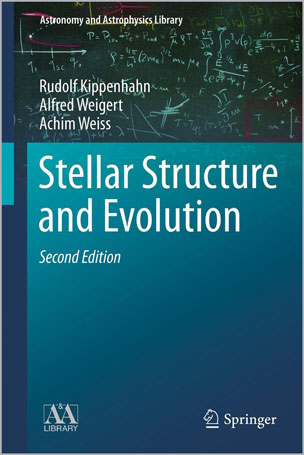
⭐ ویرایش دوم کتاب کلاسیک ساختار و تحول ستارهای نوشته کیپنهان و وایگرت، که مدتها انتظار انتشار آن میرفت، نسخهای کاملا بازنگریشده از متن اصلی است. آخیم وایس و رودولف کیپنهان با در نظر گرفتن محدودیتهای رصدی جدید و همچنین اثرهای فیزیکی بیشتری مانند اتلاف جرم و پخش، موفق شدهاند کتاب را هم از نظر ارائه فیزیک ستارهای و هم از نظر معرفی و تفسیر مدلهای پیشرفته امروزی ستارهها، با تازهترین دستاوردهای این حوزه هماهنگ کنند. رویکرد آموزشی موفق و آزمودهشده ویرایش نخست نیز در این نسخه حفظ شده است.
🔭 این کتاب بررسی جامعی از فیزیک درون ستارهها و فرایندها و پارامترهای بنیادی حاکم بر آن ارائه میدهد. مدلهایی که برای توضیح پایداری، پویایی و تحول ستارهها توسعه یافتهاند، معرفی میشوند و مراحل مختلف زندگی یک ستاره نیز با دقت فراوان تشریح میشوند.
📘 همانطور که ویرایش نخست بیش از بیست سال پس از انتشار اولیه خود همچنان اثری مرجع باقی ماند، ویرایش دوم نیز نهتنها برای دانشجویان، بلکه برای پژوهشگران فعال در حوزه اخترشناسی و اخترفیزیک، ارزشی ماندگار خواهد داشت.
📖 فهرست مطالب
پارت I. معادلات بنیادی
فصل ۱. مختصات، توزیع جرم و میدان گرانشی در ستارههای کروی
فصل ۲. پایستگی تکانه
فصل ۳. قضیه ویریال
فصل ۴. پایستگی انرژی
فصل ۵. انتقال انرژی از طریق تابش و رسانش
فصل ۶. پایداری در برابر آشفتگیهای موضعی و غیرکروی
فصل ۷. انتقال انرژی از طریق همرفت
فصل ۸. ترکیب شیمیایی
فصل ۹. اتلاف جرم
پارت II. مسئله کلی
فصل ۱۰. معادلات دیفرانسیل تحول ستارهای
فصل ۱۱. شرایط مرزی
فصل ۱۲. روش عددی
پارت III. ویژگیهای ماده ستارهای
فصل ۱۳. گاز کامل همراه با تابش
فصل ۱۴. یونش
فصل ۱۵. گاز الکترونی تباهیده
فصل ۱۶. معادله حالت ماده ستارهای
فصل ۱۷. کدری
فصل ۱۸. تولید انرژی هستهای
پارت IV. مدلهای ساده ستارهای
فصل ۱۹. کرههای گازی چندجملهای
فصل ۲۰. روابط همساختی
فصل ۲۱. مدلهای ساده در صفحه U-V
فصل ۲۲. رشته اصلی با سن صفر
فصل ۲۳. دیگر رشتههای اصلی
فصل ۲۴. خط هایاشی
فصل ۲۵. ملاحظات پایداری
پارت V. مراحل اولیه تحول ستارهای
فصل ۲۶. آغاز شکلگیری ستاره
فصل ۲۷. شکلگیری پیشستارهها
فصل ۲۸. انقباض پیش از رشته اصلی
فصل ۲۹. از خورشید اولیه تا خورشید امروزی
فصل ۳۰. تحول در رشته اصلی
پارت VI. تحول پس از رشته اصلی
فصل ۳۱. تحول در مرحله سوزش هلیوم؛ ستارههای میانجرم
فصل ۳۲. تحول در مرحله سوزش هلیوم؛ ستارههای پرجرم
فصل ۳۳. تحول در مرحله سوزش هلیوم؛ ستارههای کمجرم
پارت VII. مراحل پایانی تحول ستارهای
فصل ۳۴. تحول در شاخه غولهای مجانبی
فصل ۳۵. مراحل بعدی تحول هسته
فصل ۳۶. انفجارها و رمبش نهایی
پارت VIII. اجرام فشرده
فصل ۳۷. کوتولههای سفید
فصل ۳۸. ستارههای نوترونی
فصل ۳۹. سیاهچالهها
پارت IX. ستارههای تپنده
فصل ۴۰. تپشهای کروی بیدررو
فصل ۴۱. تپشهای کروی غیربیدررو
فصل ۴۲. نوسانهای غیرشعاعی ستارهای
پارت X. چرخش ستارهای
فصل ۴۳. مکانیک مدلهای ستارهای چرخان
فصل ۴۴. ترمودینامیک مدلهای ستارهای چرخان
فصل ۴۵. توزیع سرعت زاویهای در ستارهها
👥 درباره نویسندگان
🌌 رودولف کیپنهان نویسنده کتابهای دانشگاهی بسیار موفق در زمینه اخترشناسی و همچنین شمار زیادی از کتابهای پرفروش علمی برای عموم درباره اخترشناسی، فیزیک اتمی و رمزنگاری بود. او از سال ۱۹۶۵ تا ۱۹۷۵ استاد اخترشناسی و اخترفیزیک در گوتینگن آلمان و از سال ۱۹۷۵ تا ۱۹۹۱ مدیر مؤسسه اخترفیزیک ماکس پلانک در گارچینگ بود.
🏅 او مدالها و جوایز متعددی دریافت کرد که از جمله آنها میتوان به مدال ادینگتون از انجمن سلطنتی اخترشناسی و مدال کارل شوارتزشیلد از انجمن اخترشناسی آلمان اشاره کرد.
🔭 آلفرد وایگرت استاد اخترفیزیک در دانشگاه هامبورگ آلمان بود. پژوهشهای او بر شبیهسازی تحول ستارهای و حل مجموعه معادلات توصیفکننده ساختار ستارهها تمرکز داشت.
📚 او علاوه بر همکاری با رودولف کیپنهان در نگارش ویرایش نخست کتاب ساختار و تحول ستارهای، همراه با هاینریش جی. وندکر نویسنده کتاب مقدماتی موفق آلمانی Astronomie und Astrophysik نیز بود. وایگرت در سال ۱۹۹۲ درگذشت.
🪐 آخیم وایس اخترفیزیکدان مؤسسه اخترفیزیک ماکس پلانک در گارچینگ و مدرس دانشگاه لودویگ ماکسیمیلیان مونیخ در آلمان است.
🔬 زمینههای پژوهشی دکتر وایس شامل تحول ستارههای کمجرم و میانجرم، سنتز جمعیتهای ستارهای و تحول ستارهها در مرحله شاخه غولهای مجانبی و پس از آن است.
This long-awaited second edition of the classical textbook on Stellar Structure and Evolution by Kippenhahn and Weigert is a thoroughly revised version of the original text. Taking into account modern observational constraints as well as additional physical effects such as mass loss and diffusion, Achim Weiss and Rudolf Kippenhahn have succeeded in bringing the book up to the state-of-the-art with respect to both the presentation of stellar physics and the presentation and interpretation of current sophisticated stellar models. The well-received and proven pedagogical approach of the first edition has been retained.
The book provides a comprehensive treatment of the physics of the stellar interior and the underlying fundamental processes and parameters. The models developed to explain the stability, dynamics and evolution of the stars are presented and great care is taken to detail the various stages in a star’s life. Just as the first edition, which remained astandard work for more than 20 years after its first publication, the second edition will be of lasting value not only for students but also for active researchers in astronomy and astrophysics.
Table of Contents
Part I The Basic Equations
Chapter 1 Coordinates, Mass Distribution, and Gravitational Field in Spherical Stars
Chapter 2 Conservation of Momentum
Chapter 3 The Virial Theorem
Chapter 4 Conservation of Energy
Chapter 5 Transport of Energy by Radiation and Conduction
Chapter 6 Stability Against Local, Non-spherical Perturbations
Chapter 7 Transport of Energy by Convection
Chapter 8 The Chemical Composition
Chapter 9 Mass Loss
Part II The Overall Problem
Chapter 10 The Differential Equations of Stellar Evolution
Chapter 11 Boundary Conditions
Chapter 12 Numerical Procedure
Part Ill Properties of Stellar Matter
Chapter 13 The Perfect Gas with Radiation
Chapter 14 Ionization
Chapter 15 The Degenerate Electron Gas
Chapter 16 The Equation of State of Stellar Matter
Chapter 17 Opacity
Chapter 18 Nuclear Energy Production
Part IV Simple Stellar Models
Chapter 19 Polytropic Gaseous Spheres
Chapter 20 Homology Relations
Chapter 21 Simple Models in the U-V Plane
Chapter 22 The Zero-Age Main Sequence
Chapter 23 Other Main Sequences
Chapter 24 The Hayashi Line
Chapter 25 Stability Considerations
Part V Early Stellar Evolution
Chapter 26 The Onset of Star Formation
Chapter 27 The Formation of Protostars
Chapter 28 Pre-Main-Sequence Contraction
Chapter 29 From the Initial to the Present Sun
Chapter 30 Evolution on the Main Sequence
Part VI Post-Main-Sequence Evolution
Chapter 31 Evolution Through Helium Burning: Intermediate-Mass Stars
Chapter 32 Evolution Through Helium Burning: Massive Stars
Chapter 33 Evolution Through Helium Burning: Low-Mass Stars
Part VII Late Phases of Stellar Evolution
Chapter 34 Evolution on the Asymptotic Giant Branch
Chapter 35 Later Phases of Core Evolution
Chapter 36 Final Explosions and Collapse
Part VIII Compact Objects
Chapter 37 White Dwarfs
Chapter 38 Neutron Stars
Chapter 39 Black Holes
Part IX Pulsating Stars
Chapter 40 Adiabatic Spherical Pulsations
Chapter 41 Non-adiabatic Spherical Pulsations
Chapter 42 Non-radial Stellar Oscillations
Part X Stellar Rotation
Chapter 43 The Mechanics of Rotating Stellar Models
Chapter 44 The Thermodynamics of Rotating Stellar Models
Chapter 45 The Angular-Velocity Distribution in Stars
Rudolf Kippenhahn is author of very successful academic astronomy books as well of a large number of best-selling popular science books on astronomy, atomic physics and cryptology. From 1965-1975 he was professor for astronomy and astrophysics in Göttingen, Germany, and from 1975-1991 he was the director of the Max-Planck Institute for Astrophysics in Garching. He has received several medals and awards including the Eddington medal by the Royal Astronomical Society and the Karl-Schwarzschild medal of the Astronomische Gesellschaft.
Alfred Weigert was professor for astrophysics at the University of Hamburg, Germany. His research forcussed on the simulation of stellar evolution and on the solution of the set of equations describing the structure of stars. He was not only Rudolf Kippenhahn’s co-author of the first edition of Stellar Structure and Evolution, but also author (with Heinrich J. Wendker) of the successful German introductory textbook “Astronomie und Astrophysik”. He died in 1992.
Achim Weiss is an astrophysicist at the Max-Planck Instiute for Astrophysics in Garching and lecturer at the Ludwig-Maximilians University in Munich, Germany. Dr. Weiss’ research interests are on stellar evolution of low- and intermediate mass stars, population synthesis and AGB- and post-AGB evolution.