ثبت نام / ورود
0
ثبت نام / ورود
0
Gary Sutton
#Python
#statistical
#linear_programming
#probability
با پایتون آمار را در عمل به کار بگیرید!
تصمیمگیری مبتنی بر داده به آمار نیاز دارد. کتاب «آماری که هر برنامهنویس باید بداند» روشهای آماری و کمّی را معرفی میکند که به شما کمک میکند فراتر از «حس شهودی» پیش بروید—چه در پیشبینی قیمت سهام باشید، چه در ارزیابی کنترل کیفیت—همراه با مثالهایی کاربردی در اکوسیستم غنی پایتون.
در این راهنمای عملی، یاد خواهید گرفت که:
در این راهنمای کاربردی، گری ساتن، متخصص آمار، تئوری این روشهای آماری را با پیادهسازیهای عملی در پایتون ترکیب میکند و روشهایی ساختاریافته، قابل تکرار و قابل دفاع برای حل مسائل پیچیده ارائه میدهد. کدهای پایتونی بهخوبی حاشیهنویسی شدهاند تا به شما کمک کنند مهارتهای تازهتان را گامبهگام تمرین کنید.
درباره فناوری بهکاررفته
چه در حال تحلیل معیارهای عملکرد یک اپلیکیشن باشید، چه در حال ساخت داشبوردهای گزارشگیری و چه درگیر یک پروژهی برنامهنویسی با محوریت اعداد، هر برنامهنویسی باید بتواند دادهی خام را به بینش عملی تبدیل کند. آمار و تحلیلهای کمّی ابزارهای ضروری برای کاهش عدم قطعیت، بهینهسازی نتایج و تصمیمگیری آگاهانه هستند.
درباره کتاب
کتاب «آماری که هر برنامهنویس باید بداند» به شما میآموزد چگونه آمار را در حل مسائل روزمرهی توسعه نرمافزار به کار ببرید. هر فصل یک آموزش مستقل است:
مدت زمان مسابقات اولتراماراتن را با رگرسیون خطی پیشبینی میکنید، قیمت سهام را با مدلهای سری زمانی تخمین میزنید، قابلیت اطمینان سیستمها را با زنجیرههای مارکوف تحلیل میکنید و بسیاری مثالهای واقعی دیگر. کتاب بین تئوری و پیادهسازی پایتونی تعادل برقرار کرده است، و با کدهای توضیحدار و مثالهای کاربردی، یادگیری را عملی و قابل انتقال به صنایع مختلف میکند.
آنچه در این کتاب میآموزید:
مخاطب کتاب
این کتاب برای برنامهنویسانی نوشته شده که میخواهند با استفاده از پایتون تصمیمات آماری و کمّی بگیرند. تمامی مثالها با زبان پایتون پیادهسازی شدهاند.
درباره نویسنده
گری ساتن متخصص حوزهی تحلیل داده و هوش تجاری است و کتاب موفق «ضربه قطعی آماری: تحلیل دادههای واقعی NBA با زبان R» را نیز در کارنامه دارد.
فهرست فصلها
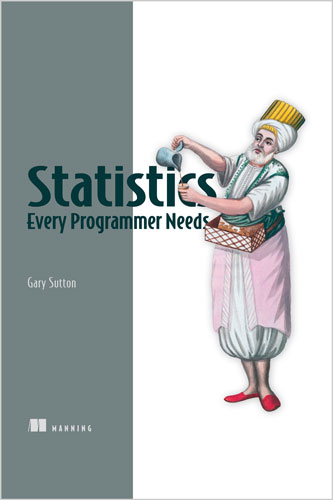
Put statistics into practice with Python!
Data-driven decisions rely on statistics. Statistics Every Programmer Needs introduces the statistical and quantitative methods that will help you go beyond “gut feeling” for tasks like predicting stock prices or assessing quality control, with examples using the rich tools of the Python ecosystem.
Statistics Every Programmer Needs will teach you how to:
• Apply foundational and advanced statistical techniques
• Build predictive models and simulations
• Optimize decisions under constraints
• Interpret and validate results with statistical rigor
• Implement quantitative methods using Python
In this hands-on guide, stats expert Gary Sutton blends the theory behind these statistical techniques with practical Python-based applications, offering structured, reproducible, and defensible methods for tackling complex decisions. Well-annotated and reusable Python code listings illustrate each method, with examples you can follow to practice your new skills.
About the technology
Whether you’re analyzing application performance metrics, creating relevant dashboards and reports, or immersing yourself in a numbers-heavy coding project, every programmer needs to know how to turn raw data into actionable insight. Statistics and quantitative analysis are the essential tools every programmer needs to clarify uncertainty, optimize outcomes, and make informed choices.
About the book
Statistics Every Programmer Needs teaches you how to apply statistics to the everyday problems you’ll face as a software developer. Each chapter is a new tutorial. You’ll predict ultramarathon times using linear regression, forecast stock prices with time series models, analyze system reliability using Markov chains, and much more. The book emphasizes a balance between theory and hands-on Python implementation, with annotated code and real-world examples to ensure practical understanding and adaptability across industries.
What's inside
• Probability basics and distributions
• Random variables
• Regression
• Decision trees and random forests
• Time series analysis
• Linear programming
• Monte Carlo and Markov methods and much more
About the reader
Examples are in Python.
About the author
Gary Sutton is a business intelligence and analytics leader and the author of Statistics Slam Dunk: Statistical analysis with R on real NBA data.
Table of Contents
1 Laying the groundwork
2 Exploring probability and counting
3 Exploring probability distributions and conditional probabilities
4 Fitting a linear regression
5 Fitting a logistic regression
6 Fitting a decision tree and a random forest
7 Fitting time series models
8 Transforming data into decisions with linear programming
9 Running Monte Carlo simulations
10 Building and plotting a decision tree
11 Predicting future states with Markov analysis
12 Examining and testing naturally occurring number sequences
13 Managing projects
14 Visualizing quality control
Gary Sutton is a vice president for a leading financial services company. He has built and led high-performing business intelligence and analytics organizations across multiple verticals, where R was the preferred programming language for predictive modeling, statistical analyses, and other quantitative insights. Gary earned his undergraduate degree from the University of Southern California, a Masters from George Washington University, and a second Masters in Data Science, from Northwestern University.