ثبت نام / ورود
0
ثبت نام / ورود
0
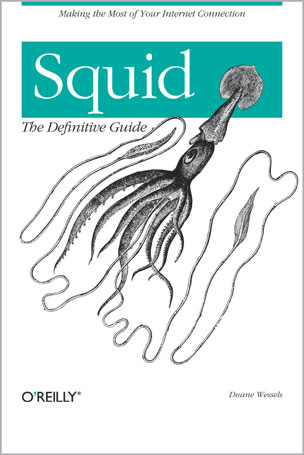
The Definitive Guide
Duane Wessels
#Squid
#HTTP
#SNMP
Squid is the most popular Web caching software in use today, and it works on a variety of platforms including Linux, FreeBSD, and Windows. Squid improves network performance by reducing the amount of bandwidth used when surfing the Web. It makes web pages load faster and can even reduce the load on your web server. By caching and reusing popular web content, Squid allows you to get by with smaller network connections. It also protects the host on your internal network by acting as a firewall and proxying your internal web traffic. You can use Squid to collect statistics about the traffic on your network, prevent users from visiting inappropriate web sites at work or school, ensure that only authorized users can surf the Internet, and enhance your privacy by filtering sensitive information from web requests. Companies, schools, libraries, and organizations that use web-caching proxies can look forward to a multitude of benefits. Written by Duane Wessels, the creator of Squid, Squid: The Definitive Guide will help you configure and tune Squid for your particular situation. Newcomers to Squid will learn how to download, compile, and install code. Seasoned users of Squid will be interested in the later chapters, which tackle advanced topics such as high-performance storage options, rewriting requests, HTTP server acceleration, monitoring, debugging, and troubleshooting Squid. Topics covered include:
Table of Contents
1. Introduction
2. Getting Squid
3. Compiling and Installing
4. Configuration Guide for the Eager
5. Running Squid
6. All About Access Controls
7. Disk Cache Basics
8. Advanced Disk Cache Topics
9. Interception Caching
10. Talking to Other Squids
11. Redirectors
12. Authentication Helpers
13. Log Files
14. Monitoring Squid
15. Server Accelerator Mode
16. Debugging and Troubleshooting
Duane Wessels became interested in web caching in 1994 as a topic for his master's thesis in telecommunications at the University of Colorado, Boulder. He worked with members of the Harvest research project to develop web caching software. After the departure of other members to industry jobs, he continued the software development under the name Squid. Another significant part of Duane's research with the National Laboratory for Applied Network Research has been the operation of 6 to 8 large caches throughout the U.S. These caches receive requests from hundreds of other caches, all connected in a "global cache mesh."