ثبت نام / ورود
0
ثبت نام / ورود
0
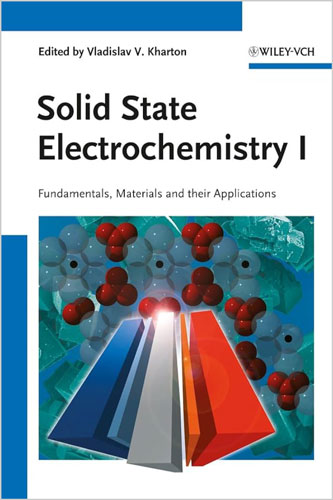
Fundamentals, Materials and their Applications
Vladislav V. Kharton
#Solid_State
#Electrochemistry
⚛️ این کتاب مرجعی جامع در زمینه الکتروشیمی حالت جامد (Solid-State Electrochemistry) است که مبانی نظری را با مروری بر پیشرفتهای علمی این حوزه ترکیب میکند و عمدتاً برای متخصصان و پژوهشگران فعال در این شاخه علمی تدوین شده است.
🔬 توجه ویژهای به مهمترین دستاوردهای علمی دهه منتهی به انتشار کتاب، جنبههای نظری و روششناختی الکتروشیمی حالت جامد و کاربردهای عملی آن اختصاص یافته است.
📐 ویراستار علمی کتاب با بهرهگیری از تجربه تخصصی خود، فصلهایی را به بررسی انتقادی رویکردهای نظری، روشهای تجربی و تکنیکهای مدلسازی اختصاص داده و در موارد ضروری، تعاریف و اصطلاحات تخصصی مرتبط را توضیح داده است.
🧪 بخش مهمی از کتاب به بررسی گروههای اصلی جامدات رسانای یونی و اهمیت کاربردی آنها اختصاص دارد. این مباحث شامل رساناهای کاتیونی، پروتونی، رساناهای یون اکسیژن، رساناهای مختلط، پلیمرهای رسانا و مواد هیبریدی هستند.
🔋 در بخشهای کاربردی نیز پیشرفتهای علمی و فناوری در زمینه پیلهای سوختی، باتریهای حالت جامد، حسگرهای الکتروشیمیایی و سایر کاربردهای جامدات رسانای یونی مورد بررسی قرار میگیرند.
🎯 با توجه به ماهیت میانرشتهای الکتروشیمی حالت جامد، این اثر برای متخصصان و پژوهشگران حوزههای علم و مهندسی مواد، شیمی فیزیک، شیمی پلیمر، فیزیک حالت جامد، مهندسی شیمی و فناوری ذخیرهسازی انرژی و همچنین پژوهشگران صنعتی، منبعی تخصصی و ارزشمند محسوب میشود.
📖 فهرست مطالب
فصل ۱. مبانی، کاربردها و چشماندازهای الکتروشیمی حالت جامد: مروری اجمالی
فصل ۲. مواد ابریونی: جنبههای ساختاری
فصل ۳. تعادل نقصهای بلوری در جامدات و خواص مرتبط: یک مقدمه
فصل ۴. نانوبلورهای رسانای یونی: نظریه، روشها و کاربردها
فصل ۵. مبانی و پیشرفتهای الکتروشیمی حالت جامد: درج میانلایهای و استخراج یونها در الکترودهای حالت جامد
فصل ۶. واکنشهای الکتروشیمیایی حالت جامد در ریزذرات و نانوذرات الکتروفعال در محیط الکترولیت مایع
فصل ۷. رساناهای کاتیون فلزات قلیایی و رساناهای پروتونی: روابط میان ترکیب، ساختار بلوری و خواص
فصل ۸. جامدات رسانا: در جستوجوی ترابرد کاتیونهای چندظرفیتی
فصل ۹. مواد رسانای یون اکسیژن
فصل ۱۰. مواد پلیمری و هیبریدی: الکتروشیمی و کاربردها
فصل ۱۱. الکتروشیمی پلیمرهای دارای رسانندگی الکترونی
فصل ۱۲. کاربردهای دمای بالای الکترولیتهای جامد: پیلهای سوختی، پمپاژ و تبدیل
فصل ۱۳. حسگرهای الکتروشیمیایی: مبانی، مواد کلیدی و کاربردها
📝 نقد و بررسی
💭 «این کتاب بهزودی بهعنوان تنها مرجع جامع در این حوزه مهم و بهسرعت در حال توسعه شناخته خواهد شد؛ اثری که اطلاعات بنیادی را با مروری اجمالی بر پیشرفتهای اخیر و مسائل جذاب الکتروشیمی حالت جامد ترکیب میکند و عمدتاً برای متخصصان فعال در این حوزه علمی تدوین شده است.»
— نشریه Current Engineering Practice، سال ۲۰۱۰
💭 «در مجموع، کتاب در ارائه مقدمهای مختصر و مفید بر حوزهای پژوهشی گسترده و متنوع موفق عمل کرده است. مباحث و منابع علمی آن امکان مطالعه عمیقتر موضوعات موردعلاقه و بررسی مزایا و معایب روشهای سنتز، مواد و رویکردهای مختلف در طیف گستردهای از سیستمهای الکتروشیمیایی حالت جامد را فراهم میکنند.»
— مجله انجمن شیمی آمریکا (JACS)، سال ۲۰۱۰
👤 درباره نویسنده
🎓 ولادیسلاو خارتون (Vladislav Kharton) پژوهشگر ارشد گروه مهندسی سرامیک و شیشه دانشگاه آویرو در پرتغال است. او در سال ۱۹۹۳ مدرک دکتری شیمی فیزیک خود را از دانشگاه دولتی بلاروس دریافت کرد.
📚 خارتون بیش از ۲۶۰ مقاله علمی، شامل ۱۰ مقاله مروری، در مجلات بینالمللی نمایهشده در SCI منتشر کرده است. او همچنین در تألیف بیش از ۴۰ مقاله در سایر نشریات و مجموعههای علمی داوریشده، دو کتاب و دو اختراع ثبتشده مشارکت داشته است.
🔬 او بهعنوان دبیر تخصصی مجله Journal of Solid State Electrochemistry و عضو هیئت تحریریه نشریات علمی زیر فعالیت داشته است:
🏆 خارتون در سال ۲۰۰۴، جایزه تعالی علمی (Scientific Excellence) بنیاد علوم پرتغال را دریافت کرد.
معرفی را برای مخاطب فروشگاهی کوتاه کنعبارتهای فنی را دقیقتر و یکدست کن
The only comprehensive handbook on this important and rapidly developing topic combines fundamental information with a brief overview of recent advances in solid state electrochemistry, primarily targeting specialists working in this scientific field.
Particular attention is focused on the most important developments performed during the last decade, methodological and theoretical aspects of solid state electrochemistry, as well as practical applications. The highly experienced editor has included chapters with critical reviews of theoretical approaches, experimental methods and modeling techniques, providing definitions and explaining relevant terminology as necessary. Several other chapters cover all the key groups of the ion-conducting solids important for practice, namely cationic, protonic, oxygen-anionic and mixed conductors, but also conducting polymer and hybrid materials. Finally, the whole is rounded off by brief surveys of advances in the fields of fuel cells, solid-state batteries, electrochemical sensors, and other applications of ion-conducting solids.
Due to the very interdisciplinary nature of this topic, this is of great interest to material scientists, polymer chemists, physicists, and industrial scientists, too.
Table of Contents
1. Fundamentals, Applications, and Perspectives of Solid-State Electrochemistry: A Synopsis
2. Superionic Materials: Structural Aspects
3. Defect Equilibria in Solids and Related Properties: An Introduction
4. Ion-Conducting Nanocrystals: Theory, Methods, and Applications
5. The Fundamentals and Advances of Solid-State Electrochemistry: Intercalation (Insertion) and Deintercalation (Extraction) in Solid-State Electrodes
6. Solid-State Electrochemical Reactions of Electroactive Microparticles and Nanoparticles in a Liquid Electrolyte Environment
7. Alkali Metal Cation and Proton Conductors: Relationships between Composition, Crystal Structure, and Properties
8. Conducting Solids: In the Search for Multivalent Cation Transport
9. Oxygen Ion-Conducting Materials
10. Polymer and Hybrid Materials: Electrochemistry and Applications
11. Electrochemistry of Electronically Conducting Polymers
12. High-Temperature Applications of Solid Electrolytes: Fuel Cells, Pumping, and Conversion
13. Electrochemical Sensors: Fundamentals, Key Materials, and Applications
Reviews
"It will soon be definitely acclaimed as the only comprehensive handbook on this important and rapidly developing topic combining fundamental information with a brief overview of recent advances and intriguing problems in solid state electrochemistry, primarily targeting specialists working in this scientific field." (Current Engineering Practice, 2010)
"In summary, the book succeeds in providing the reader with a concise introduction to a broad and diverse research area. The discussion and references can be used expand any topic of interest with the advantages and disadvantages of synthetic methods, materials, and approaches for many solid-state electrochemical systems." (JACS, 2010)
About the Author
Vladislav Kharton is a principal investigator at the Department of Ceramics and Glass Engineering, University of Aveiro (Portugal). Having received his doctoral degree in physical chemistry from the Belarus State University in 1993, he has published over 260 scientifi c papers in international SCI journals, including 10 reviews, and coauthored over 40 papers in other refereed journals and volumes, 2 books and 2 patents. He is a topical editor of the Journal of Solid State Electrochemistry, and member of the editorial boards of Materials Letters, The Open Electrochemistry Journal, The Open Condensed Matter Physics Journal, and Processing and Application of Ceramics. In 2004, he received the Portuguese Science Foundation prize for Scientific Excellence.