ثبت نام / ورود
0
ثبت نام / ورود
0
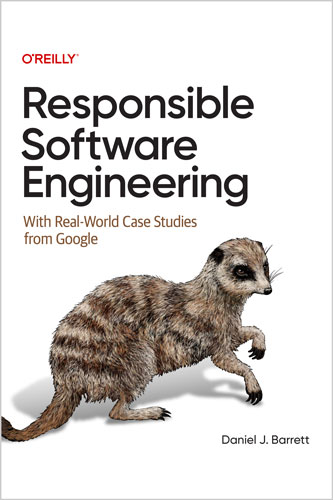
With Real-World Case Studies from Google
Daniel J. Barrett
#Software_Engineering
💡 امروزه نرمافزارها تنها به داشتن رابط کاربری دوستانه و الگوریتمهای درست نیاز ندارند؛ بلکه باید مسئولانه نیز عمل کنند — یعنی برای جامعه مفید باشند و آسیبی ایجاد نکنند. در عصری که پر از چتباتهای هوش مصنوعی، تصاویر و ویدئوهای جعلی (deepfake)، حبابهای رسانهای، قوانین سختگیرانهتر حریم خصوصی و بحران اقلیمی است، رعایت اصول مهندسی نرمافزار مسئولانه از همیشه ضروریتر است تا محصولات، اعتماد کاربران را جلب کنند و شایستهی آن باشند.
کتاب «Responsible Software Engineering» حاصل خرد جمعی بیش از ۱۰۰ کارمند گوگل است که به شما کمک میکند اثرات نرمافزار خود بر جهان و انسانها را پیشبینی کنید. این کتاب با توصیههای تخصصی و مطالعات موردی کاربردی، راههایی برای ساخت نرمافزارهایی ارائه میدهد که برای دنیای واقعی آمادگی بیشتری دارند، از جمله:
فصلها:
👨💻 درباره نویسنده:
دانیل جی. برِت (Daniel J. Barrett)، دکترای علوم کامپیوتر، نزدیک به ۴۰ سال سابقه در مهندسی نرمافزار و نگارش فنی دارد و در شرکتهایی با مقیاسهای مختلف از استارتاپها تا غولهای فناوری — از جمله ۷ سال در گوگل — فعالیت کرده است. از دیگر آثار او در انتشارات O’Reilly میتوان به Linux Pocket Guide، Efficient Linux at the Command Line، Macintosh Terminal Pocket Guide، MediaWiki، Linux Security Cookbook و SSH, the Secure Shell: The Definitive Guide اشاره کرد.
Today's software applications need more than a friendly interface and correct algorithms. They also need to be responsible: to be beneficial for society and not cause harm. In an era of AI chatbots, deep fake images and videos, social media bubbles, expanding privacy regulations, and a warming planet, it's more important than ever to practice responsible software engineering so your products earn your users' trust—and deserve it.
Responsible Software Engineering gathers the wisdom of over 100 Google employees to help you anticipate the effects of your software on the world and its inhabitants. It features expert advice and practical case studies so you can build better applications that are more ready for real-world situations:
Chapter 1. Responsible Software Engineering: A Quick Introduction
Chapter 2. Creating AI Systems That Work Well for Everyone
Chapter 3. Incorporating Societal Context
Chapter 4. Anticipating and Planning for Downstream Consequences
Chapter 5. Securing and Respecting Users’ Privacy
Chapter 6. Measuring and Reducing Your Code’s Carbon Footprint
Chapter 7. Building a Culture of Responsible Software Engineering
What’s in This Book?
This book is about writing software responsibly for the real world—a world that’s complex, multicultural, hard to predict, and downright messy. Applications that work beautifully during development and testing may behave unexpectedly when real people and their lives enter the picture. Anticipating and mitigating these issues is called responsible software engineering.
I’ll cover a broad selection of responsible software-engineering principles to help you build better applications that are more ready for real-world situations:
If you’re a software engineer or you work with software engineers to create products, and if you care about the effects of your software on your users’ lives, then this book is for you. (If you don’t care about these effects, I doubly hope you’ll read this book!)
Today, in 2025, some of the topics and terms in this book have become much more politicized than when I began writing it in 2021. I’m pretty sure, though, that none of us wants to be denied a job or health care because of an unfair algorithm. None of us wants our most sensitive, private information, or our children’s information, to be collected or revealed without our permission. None of us, I hope, wants to build software with unintended effects that harm people. I wrote this book to share knowledge and best practices to help make algorithms more fair, information more private, and software effects more predictable.
What’s Not in This Book?
This book is a broad look at responsible software engineering. It’s filled with general guidance, specific tips, and detailed case studies from Google, where I worked for seven years. However, it does not include a few notable things:
There’s very little code. If you’re looking for source code to make your software more responsible, this is not the book for you, although I do suggest a few open source libraries to try. In addition, check out Machine Learning for High-Risk Applications: Approaches to Responsible AI by Patrick Hall, James Curtis, and Parul Pandey (O’Reilly).
This book is not official Google policy. It is my own work, informed by over a hundred interviews with my fellow Google employees (“Googlers”) and other professionals.
I draw many examples in this book from the experiences of Googlers. This should be no surprise, given the book’s subtitle of Real-World Case Studies from Google, but I want to call out this fact directly in case you’re wondering whether this book is a big advertisement for Google products. It’s not. I include these focused examples to create teachable moments about software engineering—the responsible kind and otherwise—and to share stories that you may never have heard before. I also don’t mean to imply that Google’s practices are more or less responsible than those of other software companies. Many companies hire great engineers, and all companies make mistakes. What matters is how they deal with those mistakes afterward. I hope my Google-related case studies provide you with interesting insights into responsible software engineering in practice.
About the Author
Daniel J. Barrett, Ph.D., has been a software engineer and technical writer for almost 40 years at companies of all sizes, from startups to large corporations, including 7 years at Google. Dan's other O'Reilly books include Linux Pocket Guide, Efficient Linux at the Command Line, Macintosh Terminal Pocket Guide, MediaWiki, Linux Security Cookbook, and SSH, the Secure Shell: The Definitive Guide.