ثبت نام / ورود
0
ثبت نام / ورود
0
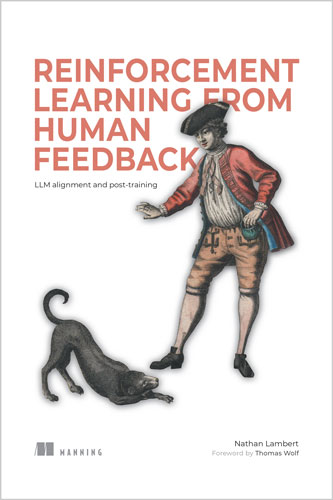
LLM alignment and post-training
Nathan Lambert
#Reinforcement_Learning
#DPO
#RLHF
#AI
🧠 همراستاسازی LLMها با بازخورد انسانی
🚀 این کتاب کمک میکنه درک کنی مدلهای مدرن هوش مصنوعی چطور با نیازها و انتظارات کاربران هماهنگ میشن. Nathan Lambert بهجای بررسی گسترده تمام حوزه Reinforcement Learning، منحصراً روی RLHF و اهمیت مستقیم آن در Post-Training مدلهای Generative AI تمرکز میکنه.
💬 Saurabh Sawant از Microsoft این کتاب را ترکیبی استادانه از ریشههای فکری این حوزه و ابزارهای عملی آن توصیف میکنه.
✨ ویژگیهای کلیدی
⚙️ پیادهسازیهای اصلی RLHF و Direct Alignment Algorithmها را با تمرکز بر نیازهای واقعی پروژههای مدرن توضیح میده.
🗃️ نحوه ساخت Pipelineهای قدرتمند برای Preference Data و Synthetic Data را بررسی میکنه.
📊 روشهای Evaluation مدلها و مشکلات مقایسه ارزیابیهای خارجی را پوشش میده.
🎭 نحوه طراحی شخصیتهای مشخص برای هوش مصنوعی و تنظیم مدل برای یک سبک دلخواه را آموزش میده.
🧪 مفاهیم دشواری مثل KL Regularization، Proximal Policy Optimization و Generative Reward Modeling را با آزمایشهای عملی روشن میکنه.
📘 توضیح کتاب
📚 این کتاب جمعوجور مستقیماً سراغ مباحث اصلی میره. فصلهای ابتدایی نمایی کلی از Training ارائه میدن، Instruction Fine-Tuning را توضیح میدن و نحوه ساخت Reward Modelهای قابلاعتماد را بررسی میکنن.
🧠 فصلهای میانی وارد بخش اصلی Alignment میشن و الگوریتمهای پایه Policy Gradient، روش Direct Preference Optimization یا DPO و Inference-Time Scaling را پوشش میدن. این بخشها نشان میدن روشهای Post-Training چطور در عمل برای بهبود رفتار و توانایی مدل استفاده میشن.
🗂️ فصلهای بعدی به واقعیت پیچیده و نامرتب Data میپردازن. در این بخش با جمعآوری Preference Data، تولید Synthetic Data و جزئیات مهم Function Calling آشنا میشی.
⚖️ در طول مسیر میبینی این روشهای Post-Training دقیقاً چطور کار میکنن و هرکدام چه هزینه محاسباتی و Trade-Offهایی از نظر Latency دارن. این دید کمک میکنه انتخاب روش فقط براساس عملکرد نظری نباشه و محدودیتهای اجرایی هم در نظر گرفته بشن.
⚠️ کتاب Failure Modeهای رایجی مثل Qualitative Over-Optimization، Reward Hacking و قابلاعتمادنبودن مقایسه Evaluationهای خارجی را بررسی میکنه. همچنین مفاهیم دشواری مثل KL Regularization، Proximal Policy Optimization و Generative Reward Modeling را با آزمایشهای عملی قابلدرک میکنه.
🛠️ کتاب Reinforcement Learning from Human Feedback جزئیات دانشگاهی نامرتبط را کنار میذاره و روی ارزش عملی و فوری تمرکز میکنه. هر موضوعی که Nathan Lambert در کتاب قرار داده، به این دلیل مطرح شده که یک پروژه مدرن RLHF واقعاً به آن نیاز داره.
🔗 نویسنده Pipelineهای پیچیده Post-Training را با ملموسکردن تمام جزئیات توضیح میده و مفاهیم انتزاعی و جدا از هم را مستقیماً به هدف ساخت مدلهایی امنتر، هوشمندتر و دقیقاً تنظیمشده برای یک سبک مشخص پیوند میزنه.
📖 هفده فصل کوتاه کتاب، محتوای اصلی را ارائه میدن و موضوعات تکمیلی مثل تعریف واژگان، مدیریت هزینه Compute، تفاوت و نوسان نتایج Evaluation و ردیابی عملکرد Training در Appendixهای کاربردی قرار گرفتن. نتیجه، کتابی با جریان منطقی، دسترسی آسان به بخشهای مختلف و عمق فنی مناسبه که در تئوریهای غیرضروری گرفتار نمیشه.
🎯 پس از مطالعه کتاب، میتونی اجزای اصلی RLHF و Post-Training را درک و پیادهسازی کنی، Pipelineهای Data و Alignment بسازی، هزینه و Latency روشها را بسنجی و مدلهایی امنتر، هوشمندتر و هماهنگ با شخصیت یا سبک موردنظر توسعه بدی.
🎯 چیزهایی که یاد میگیری
🧭 با تاریخچه کوتاه RLHF و ساختار کلی فرایند Training مدلهای هوش مصنوعی آشنا میشی.
📝 یاد میگیری Instruction Fine-Tuning را انجام بدی و Reward Modelهای قابلاعتماد بسازی.
⚙️ الگوریتمهای اصلی Policy Gradient و Direct Alignment Algorithmهایی مثل DPO را درک میکنی.
🧠 با Reasoning، Inference-Time Scaling و Rejection Sampling آشنا میشی.
🗃️ میتونی Preference Data را جمعآوری و Pipelineهایی برای تولید Synthetic Data طراحی کنی.
🛠️ یاد میگیری Tool Use و Function Calling را در مدلهای Generative AI پیادهسازی کنی.
⚠️ میتونی مشکلاتی مثل Over-Optimization، Reward Hacking و ناپایداری Evaluationها را شناسایی کنی.
🎭 یاد میگیری مدلها را ارزیابی و برای یک شخصیت، محصول یا سبک رفتاری مشخص تنظیم کنی.
👤 این کتاب برای چه کسانیه؟
💻 این کتاب برای مهندسان باتجربه، دانشمندان هوش مصنوعی و دانشجویانی نوشته شده که میخوان جایگاه عملی و محکمی در حوزه AI Model Alignment پیدا کنن.
🧠 مطالب برای افرادی مناسبه که قصد دارن روی RLHF، Post-Training مدلهای Generative AI، Preference Data، Reward Modeling، Evaluation یا طراحی رفتار و شخصیت مدلها کار کنن.
📌 کتاب از جزئیات دانشگاهی نامرتبط دوری میکنه، اما از نظر فنی عمیقه و مفاهیمی مثل Reinforcement Learning، Policy Gradient و Regularization را بررسی میکنه؛ بنابراین برای مخاطبانی طراحی شده که بهدنبال ورود جدی و عملی به Model Alignment هستن.
📖 فهرست مطالب
بخش اول. نمای کلی
فصل ۱. مقدمه
فصل ۲. تاریخچهای کوتاه از RLHF
فصل ۳. نمای کلی Training
بخش دوم. روشهای اصلی Training
فصل ۴. Instruction Fine-Tuning
فصل ۵. Reward Modeling
فصل ۶. Reinforcement Learning
فصل ۷. Reasoning و Inference-Time Scaling
فصل ۸. Direct Alignment Algorithmها
فصل ۹. Rejection Sampling
بخش سوم. Data و Preferenceها
فصل ۱۰. ماهیت Preferenceها
فصل ۱۱. Preference Data
فصل ۱۲. Synthetic Data
بخش چهارم. کاربردها و موضوعات پیشرفته
فصل ۱۳. Tool Use و Function Calling
فصل ۱۴. Over-Optimization
فصل ۱۵. Regularization
فصل ۱۶. Evaluation
فصل ۱۷. طراحی شخصیت مدل و محصولات
👤 درباره نویسنده
🧠 Dr. Nathan Lambert از پژوهشگران برجسته هوش مصنوعیه و هدایت بخش Post-Training در Allen Institute for AI را بر عهده داره. او پیشتر در HuggingFace، DeepMind و Facebook AI فعالیت کرده است.
🌐 او از حامیان جدی Open Modelهاست و پژوهشهایش بر افزایش دسترسی به فناوری AI و گسترش درک عمومی و تخصصی از آن تمرکز دارن. هدف این فعالیتها توانمندسازی افراد برای مشارکت در پیشرفت هوش مصنوعی خارج از آزمایشگاههای بسته شرکتهاست.
🎓 Nathan Lambert بهعنوان مدرس مهمان در Stanford، Harvard، MIT و مؤسسههای برجسته دیگری سخنرانی کرده است. او همچنین از ارائهدهندگان شناختهشده و محبوب در NeurIPS و دیگر کنفرانسهای هوش مصنوعیه.
🏆 او جوایز متعددی در حوزه AI دریافت کرده که از میان آنها میشه به Best Theme Paper Award در ACL و GeekWire Innovation of the Year اشاره کرد.
📊 آثار Nathan Lambert در Google Scholar هشتهزار Citation دریافت کردهاند. مقالههای او درباره پژوهشهای هوش مصنوعی نیز هر سال میلیونها بار در Substack محبوب interconnects.ai دیده میشن.
🎓 او مدرک PhD خود را در رشته Electrical Engineering and Computer Science از University of California, Berkeley دریافت کرده است.
"A masterful synthesis of the field’s intellectual roots and its practical tools.”
—Saurabh Sawant, Microsoft
Reinforcement Learning from Human Feedback: LLM alignment and post-training helps you understand how modern AI models can be adapted to better match the needs and expectations of their users. Rather than surveying the vast field of reinforcement learning, elite AI researcher Nathan Lambert concentrates exclusively on RLHF and its immediate importance to post-training generative AI models.
This compact book gets right to the point. Early chapters establish the training overview, explain instruction fine-tuning, and build reliable reward models. The middle chapters transition into the heart of alignment, exploring core policy gradient algorithms, Direct Preference Optimization (DPO), and inference-time scaling. Later chapters tackle the messy reality of data, guiding you through preference data collection, synthetic data generation, and the nuances of function calling.
As you go, you will see how these post-training methods actually work, including their unique compute costs and latency trade-offs. You will explore common failure modes, such as qualitative over-optimization, reward hacking, and the unreliability of external evaluation comparisons. Difficult concepts like KL regularization, proximal policy optimization, and generative reward modeling are clarified with hands-on experiments.
Reinforcement Learning from Human Feedback avoids irrelevant academic details in favor of immediate, practical value. Everything author Nathan Lambert includes appears because a modern RLHF project requires it. He skillfully explains complex post-training pipelines by making every detail concrete, connecting isolated abstractions directly to the goal of making models safer, smarter, and perfectly tuned to a desired style.
The book’s seventeen short chapters lay out the core material, while supplements like vocabulary definitions, compute cost management, evaluation variance, and training performance tracking appear in handy appendixes. The result is a logically flowing book that remains highly navigable and technically deep without getting bogged down in unnecessary theory.
The book covers
• Core RLHF implementations and Direct Alignment Algorithms
• Building robust preference and synthetic data pipelines
• Evaluating models and crafting specific AI personas
About the reader
For established engineers, AI scientists, and students trying to get a practical foothold in AI model alignment.
Table of Contents
Part 1. Overview
Chapter 1. Introduction
Chapter 2. A Tiny History of RLHF
Chapter 3. Training Overview
Part 2. Core Training Methods
Chapter 4. Instruction Fine-Tuning
Chapter 5. Reward Modeling
Chapter 6. Reinforcement Learning
Chapter 7. Reasoning and Inference-Time Scaling
Chapter 8. Direct-Alignment Algorithms
Chapter 9. Rejection Sampling
Part 3. Data and Preferences
Chapter 10. The Nature of Preferences
Chapter 11. Preference Data
Chapter 12. Synthetic Data
Part 4. Applications and Advanced Topics
Chapter 13. Tool Use and Function Calling
Chapter 14. Over-Optimization
Chapter 15. Regularization
Chapter 16. Evaluation
Chapter 17. Crafting Model Character and Products
About the author
Dr. Nathan Lambert is a leading AI researcher known for leading post-training at the Allen Institute for AI. With previous experience at HuggingFace, DeepMind, and Meta, he is a passionate advocate for open models. His work focuses on increasing access to, and the understanding of, AI technology—empowering readers to contribute to the advancement of AI outside closed corporate labs.
About the Author
Nathan Lambert is the post-training lead at the Allen Institute for AI, having previously worked for HuggingFace, Deepmind, and Facebook AI. Nathan has guest lectured at Stanford, Harvard, MIT and other premier institutions, and is a frequent and popular presenter at NeurIPS and other AI conferences. He has won numerous awards in the AI space, including the “Best Theme Paper Award” at ACL and “Geekwire Innovation of the Year”. He has 8,000 citations on Google Scholar for his work in AI and writes articles on AI research that are viewed millions of times annually at the popular Substack interconnects.ai. Nathan earned a PhD in Electrical Engineering and Computer Science from University of California, Berkeley.