ثبت نام / ورود
0
ثبت نام / ورود
0
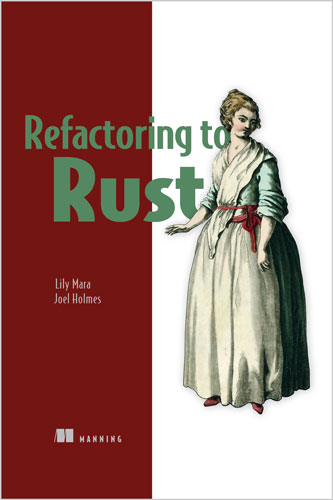
Lily Mara, Joel Holmes
#Refactoring
#Rust
#HTTP
#WebAssembly
بازنویسی تدریجی برای افزایش سرعت و مقیاسپذیری نرمافزار: استفاده از Rust بدون بازنویسی کامل کد
کتاب Refactoring to Rust به شما میآموزد چگونه بدون نیاز به بازنویسی کامل، بخشهای حساس و بحرانی از نظر عملکرد را با Rust جایگزین کنید تا از سرعت، قابلیت اطمینان و ویژگیهای سطح پایین این زبان بهرهمند شوید.
Rust به گونهای طراحی شده که میتواند بهتدریج جایگزین بخشهایی از کد موجود در زبانهای دیگر شود. با افزودن تدریجی Rust به پروژههای موجود، میتوان عملکرد، پایداری و بهرهوری حافظه را بدون نیاز به بازنویسی کلی افزایش داد. این کتاب به شما نشان میدهد که چگونه کتابخانههای Rust مستقل ایجاد کرده، ویژگیهای کلیدی را بهبود داده و از قابلیتهای Rust برای همزمانی ایمن و کدنویسی سطح پایین استفاده کنید.
Refactoring to Rust دقیقاً به شما نشان میدهد که کجا و چگونه میتوان Rust را بهصورت موضعی (surgical) در اپلیکیشنهایی که با زبانهای دیگر نوشته شدهاند، ادغام کرد. در ابتدا با سینتکس و مفاهیم منحصربهفرد Rust آشنا میشوید—مخصوصاً ویژگیهایی مانند عمر متغیرها (lifetimes) و مالکیت. سپس یاد میگیرید چگونه از Rust برای محصور کردن کدهای ناایمن، فراخوانی کتابخانههای استاندارد و سفارشی، و حتی اجرای کد Rust در مرورگر از طریق WASM استفاده کنید.
این کتاب برای برنامهنویسان در سطح متوسط طراحی شده است و پیشنیازی برای آشنایی قبلی با زبان Rust ندارد.
Don’t rewrite from scratch! Improve your software speed and scalability by iteratively replacing performance-critical code with Rust
Refactoring to Rust helps you get the speed and reliability of Rust libraries, functions, and high-performance features without needing a complete rewrite of your codebase.
In Refactoring to Rust you will learn to:
Rust is designed to gradually replace other languages by integrating and decomposing existing code. Refactoring to Rust helps you take full advantage of this amazing feature, even if you’ve never coded in Rust before. You’ll learn practical code-mixing techniques like embedding Rust libraries into apps written in other languages.
About the technology
Upgrade your software without starting from scratch! By incrementally introducing Rust into your codebase, you can upgrade key features and improve the performance of almost any application. This book shows you how to create standalone Rust libraries, boost speed and stability by using Rust for concurrency, and create safe, memory-efficient low-level code.
about the book
Refactoring to Rust shows you exactly where and how to integrate Rust surgically into applications written in another language. You’ll start by reviewing Rust’s unique syntax and concepts, with special emphasis on unique language features like variable lifetime and ownership. Then, you’ll learn to use Rust to wrap dangerous code, call standard and custom Rust libraries, and even use WASM to run Rust in the browser.
what's inside
About the reader
For intermediate programmers. No Rust experience required.
Table of Contents
1. Why refactor to Rust
2. An overview of Rust
3. Introduction to C FFI and unsafe Rust
4. Advanced FFI
5. Structuring Rust libraries
6. Integrating with dynamic languages
7. Testing your Rust integrations
8. Asynchronous Python with Rust
9. WebAssembly for refactoring JavaScript
10. WebAssembly interface for refactoring
About the authors
Lily Mara is a software engineer focused on high-performance Rust applications. Joel Holmes is a software developer building cloud native applications. He is the Author of Shipping Go, and Co-Author of Go in Action, Second Edition.