ثبت نام / ورود
0
ثبت نام / ورود
0
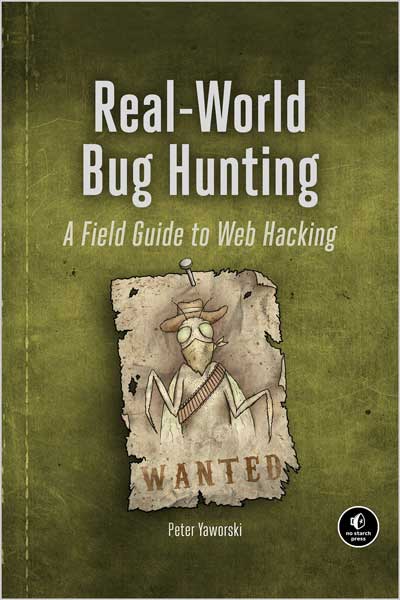
A Field Guide to Web Hacking
Peter Yaworski
#Bug_Hunting
#Bug_Bounty
#Hack
#Hacker
#Hacking
#Security
#Web_applications
#Bug
#Hunting
#Bounty
#Cybersecurity
#باگ
#باگ_هانتر
#باگ_بانتی
#هانتر
#هکر
🧠 یاد میگیری چطور افراد واقعی وبسایتها رو میشکنن و چطور تو هم میتونی همین کار رو انجام بدی.
📌 کتاب Real-World Bug Hunting یک راهنمای میدانی (Field Guide) برای پیدا کردن باگهای نرمافزاریه. چه یک مبتدی امنیت سایبری باشی که میخواد اینترنت رو امنتر کنه، چه یک توسعهدهنده باتجربه که دنبال نوشتن کد امنتره، هکر اخلاقی پیتر یاوارسکی (Peter Yaworski) بهت نشون میده این کار دقیقاً چطور انجام میشه.
🚀 تو این کتاب با رایجترین انواع باگها آشنا میشی؛ مثل Cross-Site Scripting، Insecure Direct Object References و Server-Side Request Forgery. با استفاده از مطالعه موردی واقعی از باگهای گزارششده در سرویسهایی مثل توییتر، فیسبوک، گوگل و اوبر، میبینی چطور هکرها شرایط Race Condition رو هنگام انتقال پول ایجاد میکنن، یا چطور با دستکاری پارامترهای URL باعث میشن کاربران ناخواسته توییتی رو لایک کنن، و سناریوهای مشابه دیگه.
📚 فهرست مطالب
فصل 1: مبانی باگ بانتی
فصل 2: ریدایرکت باز (Open Redirect)
فصل 3: آلودگی پارامتر HTTP (HTTP Parameter Pollution)
فصل 4: جعل درخواست بینسایتی (Cross-Site Request Forgery)
فصل 5: تزریق HTML و جعل محتوا (HTML Injection and Content Spoofing)
فصل 6: تزریق CRLF (Carriage Return Line Feed Injection)
فصل 7: اسکریپتنویسی متقاطع (Cross-Site Scripting)
فصل 8: تزریق قالب (Template Injections)
فصل 9: تزریق SQL (SQL Injection)
فصل 10: جعل درخواست سمت سرور (Server-Side Request Forgery)
فصل 11: موجودیت خارجی XML (XML External Entity)
فصل 12: اجرای کد از راه دور (Remote Code Execution)
فصل 13: آسیبپذیریهای حافظه (Memory Vulnerabilities)
فصل 14: تصاحب سابدامین (Subdomain Takeover)
فصل 15: شرایط رقابتی (Race Conditions)
فصل 16: ارجاع مستقیم ناامن به اشیاء (Insecure Direct Object References)
فصل 17: آسیبپذیریهای OAuth
فصل 18: آسیبپذیریهای منطق اپلیکیشن و کانفیگ
فصل 19: پیدا کردن باگ بانتیهای خودت
فصل 20: گزارشهای آسیبپذیری
📎 ضمیمه A: ابزارها
📎 ضمیمه 8: منابع
🧪 هر فصل یک نوع آسیبپذیری رو معرفی میکنه و با مجموعهای از باگهای واقعی گزارششده همراهه. مجموعه داستانهای واقعی کتاب بهت یاد میده چطور مهاجمها کاربران رو فریب میدن تا اطلاعات حساسشون رو لو بدن، و چطور سایتها ناخواسته آسیبپذیریهاشون رو آشکار میکنن. حتی یاد میگیری چطور این مهارت میتونه به یک مسیر شغلی جدی تبدیل بشه.
📌 در این کتاب یاد میگیری:
🧠 کتاب Real-World Bug Hunting یک راهنمای کامل و داستانمحور برای آسیبپذیریهای امنیت وبه؛ پر از تجربههای واقعی از میدان و نکات کاربردی. با درک جدیدی که از امنیت سایتها و ضعفهاشون به دست میاری، میتونی هم به امنتر شدن وب کمک کنی و هم از این مهارت درآمد داشته باشی.
🗣️ نظرات
💬 «تقریباً مطمئنم این کتاب یکی از پرارجاعترین کتابها برای تست نفوذ وب اپلیکیشن خواهد شد، اگر از قبل نشده باشه.»
— Sudo Realm
💬 «یک منبع فوقالعاده برای هر کسی که میخواد یک هکر حرفهای باگ بانتی بشه.»
— Dana Epp، Security Boulevard
👨💻 درباره نویسنده
🧾 پیتر یاوارسکی یک توسعهدهنده خودآموخته و هکر اخلاقیه که کارش رو با ساخت وبسایتهای دروپال شروع کرد. بعداً به توسعه با Ruby on Rails، اپلیکیشنهای اندروید و امنیت نرمافزار علاقهمند شد و بیش از ۱۰۰ ویدیو آموزشی و مصاحبه در یوتیوب منتشر کرده تا تجربههاش رو آموزش بده.
🚀 او همچنان یک مشارکتکننده فعال در برنامههای باگ بانتیه و از شرکتهایی مثل Shopify، HackerOne، Salesforce، Twitter، Starbucks و حتی وزارت دفاع آمریکا تأییدیه (thanks) دریافت کرده است.
Learn how people break websites and how you can, too.
Real-World Bug Hunting is the premier field guide to finding software bugs. Whether you're a cyber-security beginner who wants to make the internet safer or a seasoned developer who wants to write secure code, ethical hacker Peter Yaworski will show you how it's done.
You'll learn about the most common types of bugs like cross-site scripting, insecure direct object references, and server-side request forgery. Using real-life case studies of rewarded vulnerabilities from applications like Twitter, Facebook, Google, and Uber, you'll see how hackers manage to invoke race conditions while transferring money, use URL parameter to cause users to like unintended tweets, and more.
Contents
Chapter 1: Bug Bounty Basics
Chapter 2: Open Redirect
Chapter 3: HTTP Parameter Pollution
Chapter 4: Cross-Site Request Forgery
Chapter 5: HTML Injection and Content Spoofing
Chapter 6: Carriage Return Line Feed Injection
Chapter 7: Cross-Site Scripting
Chapter 8: Template Injections
Chapter 9: SQL Injection
Chapter 10: Server-Side Request Forgery
Chapter 11: XML External Entity
Chapter 12: Remote Code Execution
Chapter 13: Memory Vulnerabilities
Chapter 14: Subdomain Takeover
Chapter 15: Race Conditions
Chapter 16: Insecure Direct Object References
Chapter 17: OAuth Vulnerabilities
Chapter 18: Application Logic and Configuration Vulnerabilities
Chapter 19: Finding Your Own Bug Bounties
Chapter 20: Vulnerability Reports
Appendix A: Tools
Appendix 8: Resources
Each chapter introduces a vulnerability type accompanied by a series of actual reported bug bounties. The book's collection of tales from the field will teach you how attackers trick users into giving away their sensitive information and how sites may reveal their vulnerabilities to savvy users. You'll even learn how you could turn your challenging new hobby into a successful career. You'll learn:
Real-World Bug Hunting is a fascinating soup-to-nuts primer on web security vulnerabilities, filled with stories from the trenches and practical wisdom. With your new understanding of site security and weaknesses, you can help make the web a safer place--and profit while you're at it.
"I am quite sure that [this book is] going to be one of the most recommended books for web app pen-testing. If it is not already."
—Sudo Realm
"A brilliant resource for anyone who aspires to be a professional bug hunter."
—Dana Epp, Security Boulevard
Peter Yaworski is a self-taught developer and ethical hacker who began building websites exclusively with Drupal. Since then, he has expanded his interest to Rails, Android app development, and software security, while producing over 100 video tutorials and interviews on YouTube covering ethical hacking, web development, and Android to help teach others what he's learned. Peter continues to be an active bug bounty participant with thanks from Shopify, HackerOne, Salesforce, Twitter, Starbucks and the US Department of Defense among others.