ثبت نام / ورود
0
ثبت نام / ورود
0
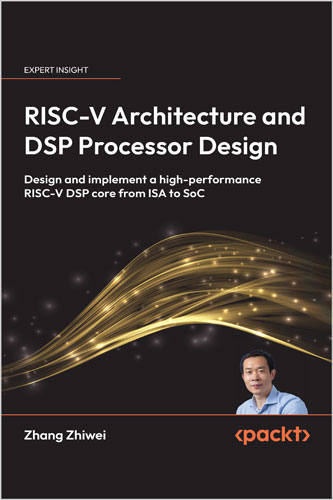
Design and implement a high-performance RISC-V DSP core from ISA to SoC
Zhang Zhiwei
#RISC-V
#DSP
#LLVM
#OpenOCD
#JTAG
💻 طراحی یک پردازنده RISC-V DSP را با استفاده از معماری SpringCore بررسی کنید؛ این کتاب شامل طراحی پایپلاین، شتابدهی DSP، پشتیبانی از زنجیره ابزار LLVM، عیبیابی با OpenOCD و ادغام در یک SoC واقعی است. 🛠️
RISC-V با معماری مجموعه دستورالعملهای باز و توسعهپذیر خود، در حال تغییر شکل نوآوری در پردازندهها است. اما پردازندههای سیگنال دیجیتال (DSP) با کارایی بالا در عمل چگونه طراحی میشوند؟ این کتاب با استفاده از SpringCore به این سوال پاسخ میدهد؛ یک معماری RISC-V DSP که برای سیستمهای کنترل جاسازی شده بلادرنگ توسعه یافته است.
با استفاده از SpringCore به عنوان مطالعه موردی، این کتاب معماری یک پردازنده DSP مدرن را معرفی کرده و تکنیکهای کلیدی طراحی دیجیتال بهکار رفته در پیادهسازی آن را توضیح میدهد. شما مفاهیم معماری DSP، طراحی افزونههای اختصاصی ISA برای شتابدهی محاسبات ممیز ثابت و ممیز شناور را بررسی خواهید کرد. همچنین یک پردازنده با پایپلاین ۸ مرحلهای مجهز به مدیریت مخاطرات (Hazard Handling)، حلقههای بدون هزینه اضافی (Zero-overhead loops)، معماری حافظه هاروارد، مکانیزمهای حفاظتی و مدیریت وقفه را تحلیل میکنید. این کتاب همچنین اکوسیستم نرمافزاری پیرامون آن، از جمله زنجیره ابزار مبتنی بر LLVM، عیبیابی با OpenOCD و JTAG، توسعه با IDE مبتنی بر Eclipse و پشتیبانی از شبیهسازی با ابزارهایی مثل gem5 را پوشش میدهد. در نهایت، نحوه پیادهسازی معماری SpringCore در تراشه FDM320RV335 نشان داده شده است؛ تراشهای که در فرکانس ۱۵۰ مگاهرتز کار کرده و تجهیزات جانبی مثل ADC و PWM را برای کنترل صنعتی بلادرنگ ادغام میکند.
در پایان، شما اصول کلیدی معماری سختافزار DSP و طراحی ISA اختصاصی را از طریق مثال کاربردی SpringCore درک خواهید کرد.
📐 درک اصول طراحی DSP و معماری RISC-V.
⚡ طراحی افزونههای اختصاصی ISA برای شتابدهی DSP.
🏗️ ساخت یک پردازنده RISC-V با پایپلاین ۸ مرحلهای.
🔢 پیادهسازی واحدهای MAC و ضربکننده با کارایی بالا.
💾 طراحی سیستمهای حافظه هاروارد با مکانیزمهای حفاظتی.
⏱️ بهینهسازی مدیریت وقفه برای کنترل بلادرنگ.
🛠️ توسعه بخش Backend در LLVM برای پردازنده SpringCore.
💻 توسعه نرمافزار با استفاده از Eclipse IDE و عیبیابی با OpenOCD.
این کتاب برای معماران کامپیوتر، مهندسان سیستمهای جاسازی شده، مهندسان DSP و طراحان RTL/FPGA است که به پیادهسازی پردازندههای RISC-V علاقهمند هستند. 🧑💻 همچنین برای دانشجویان تحصیلات تکمیلی و پژوهشگران حوزه معماری کامپیوتر، VLSI و طراحی SoC که میخواهند معماری SpringCore را بررسی کنند، مناسب است. آشنایی با منطق دیجیتال و معماری پردازنده به شما کمک میکند تا بیشترین بهره را از این کتاب ببرید. 🚀
۱. مقدمهای بر پردازندههای سیگنال دیجیتال
۲. معماری RISC-V
۳. معماری SpringCore
۴. طراحی پایپلاین SpringCore
۵. معماری دسترسی به حافظه
۶. واحدهای محاسباتی
۷. مکانیزمهای استثنا و وقفه
۸. طراحی واحد عیبیابی
۹. محیط توسعه نرمافزار
۱۰. تراشههای DSP مبتنی بر SpringCore
ژانگ ژیوی (Zhang Zhiwei) دارای مدرک دکترا، پژوهشگر و استاد راهنما در موسسه اتوماسیون آکادمی علوم چین (CAS) است. 👨🔬 او به عنوان معاون مرکز ملی مهندسی طراحی ICهای خاص فعالیت میکند و رهبری گروه تحقیقاتی پردازنده سیگنال دیجیتال را بر عهده دارد. با نزدیک به ۲۰ سال تجربه در معماری DSP و توسعه تراشه، او بیش از ۱۰ پروژه نیمههادی در سطح ملی را رهبری کرده است. تخصص او شامل میکرومعماری DSP، طراحی پردازندههای با کارایی بالا و پیادهسازی فیزیکی است و محصولات متعددی از او در مقیاس وسیع به کار گرفته شدهاند. 🌟
Explore the design of a RISC-V DSP processor using the SpringCore architecture, covering pipeline design, DSP acceleration, LLVM toolchain support, debugging with OpenOCD, and integration into a real SoC
RISC-V is reshaping processor innovation with its open and extensible instruction set architecture. But how are high-performance RISC-V digital signal processors (DSPs) designed in practice? This book explores that question through SpringCore, a RISC-V DSP architecture developed for real-time embedded control systems.
Using SpringCore as a case study, the book introduces the architecture of a modern DSP processor and explains key digital design techniques used in its implementation. You will explore DSP architecture concepts, design custom ISA extensions for fixed-point and floating-point acceleration, and examine an 8-stage pipelined processor with hazard handling, zero-overhead loops, a Harvard memory architecture, protection mechanisms, and interrupt handling. The book also covers the surrounding software ecosystem, including an LLVM-based toolchain, debugging with OpenOCD and JTAG, development with an Eclipse-based IDE, and simulation support using tools such as gem5. Finally, it demonstrates how the SpringCore architecture is implemented in the FDM320RV335 DSP chip, which runs at 150 MHz and integrates peripherals such as an ADC and PWM for real-time industrial control.
By the end, you will understand key DSP hardware architecture and custom ISA design principles through the practical example of SpringCore.
This book is for computer architects, embedded systems engineers, DSP engineers, and RTL/FPGA designers interested in RISC-V processor implementation. It is also suitable for graduate students and researchers in computer architecture, VLSI, and SoC design who want to explore the SpringCore DSP architecture and its implementation. Familiarity with digital logic and processor architecture will help readers get the most from this book.
About the Author
Zhang Zhiwei is a Ph.D., Researcher, and Doctoral Supervisor at the Institute of Automation, Chinese Academy of Sciences (CAS). He serves as Deputy Director of the National Engineering Research Center for Specialized IC Design and leads the Digital Signal Processor research group. With nearly 20 years of experience in DSP architecture and chip development, he has led more than 10 national-level semiconductor projects. His expertise spans DSP microarchitecture, high-performance processor design, and physical implementation, with multiple products deployed at scale.