ثبت نام / ورود
0
ثبت نام / ورود
0
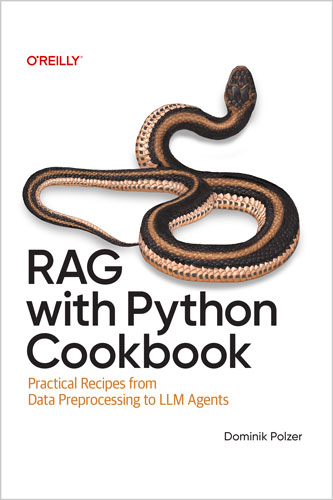
Practical Recipes from Data Preprocessing to LLM Agent
Dominik Polzer
#RAG
#LLM
#Python
#Web_Apps
🚀 در حالی که کسبوکارها برای آزاد کردن پتانسیل کامل مدلهای زبانی بزرگ (LLMs) با هم رقابت میکنند، یک چالش حیاتی به وجود آمده است: چطور این ابزارها را به دادههای واقعی و خارجی متصل کنیم تا مشکلات دنیای واقعی را حل کنند؟ پاسخ این سوال، تولید با بازیابی مستندات (RAG) است. با ترکیب LLMs و بازیابی اطلاعات، RAG به تو این قدرت را میدهد که همه چیز بسازی؛ از چتبوتهای هوشمند گرفته تا عاملهای (Agents) خودکار و حلکننده وظایف.
📖 این راهنمای جامع با بیش از ۷۰ دستورالعمل کاربردی، طیف وسیعی از کاربردهای هوش مصنوعی مولد (GenAI) را از طریق یادگیری عملی و ساختاریافته پوشش میدهد. نویسنده کتاب، دومینیک پولزر، ابزارهایی که برای طراحی، پیادهسازی و بهینهسازی سیستمهای RAG برای موارد استفاده خاص خودت نیاز داری را در اختیارتان میگذارد. چه روی بازیابی ساده دادهها کار کنی و چه در حال طراحی عاملهای خودکار پیشرفته باشی، این کتاب کمک میکند تا همیشه در لبه تکنولوژی باقی بمانی.
💡 در این کتاب یاد میگیری:
🔹 اجزای اصلی RAG شامل تکنیکهای جاسازی (Embedding)، بازیابی و تولید را یاد بگیری
🔹 جریانهای کاری پیشرفته مثل تکهتکه کردن معنایی دادهها (Semantic-aware chunking) و پرسوجوهای چندگانه را درک کنی
🔹 راهکارهای اختصاصی مثل چتبوتها و عاملهای خودکار برای چالشهای دادهای خاص بسازی
🔹 سیستمها را به طور مداوم برای دقت، مرتبط بودن و کارایی ارزیابی و بهینه کنی
📋 فهرست مطالب
1 شروع کار با RAG
2 مدلهای پایه
3 بارگذاری دادهها
4 آمادهسازی دادهها
5 جاسازیها (Embeddings)
6 پایگاه دادههای برداری و جستجوهای شباهت
7 بازیابی (Retrieval)
8 سیستم RAG مبتنی بر عامل (Agentic RAG)
9 سیستم RAG مبتنی بر گراف (Graph RAG)
10 ارزیابی سیستمهای RAG
11 اپلیکیشنهای وب RAG
✍️ درباره نویسنده
👨💻 دومینیک پولزر یک مهندس یادگیری ماشین باسابقه است که در شرکتهای پیشرویی مثل زیمنس کار کرده است. او که در زمینههای پیشبینی، تشخیص آنومالی و هوش مصنوعی مولد تخصص دارد، پروژههایی را رهبری میکند که از مدلهای پایه و سیستمهای RAG برای خودکارسازی فرآیندهای تجاری استفاده میکنند. او همچنین بینشهای خود در حوزه یادگیری ماشین را در وبلاگ محبوبش در مدیوم به اشتراک میگذارد.
As businesses race to unlock the full potential of large language models (LLMs), a critical challenge has emerged: How do you connect these tools to real-time, external data to solve real-world problems? Retrieval-augmented generation (RAG) is the answer. By combining LLMs with information retrieval, RAG empowers you to build everything from intelligent chatbots to autonomous, task-solving agents.
Packed with over 70 practical recipes, this go-to guide tackles a wide range of GenAI applications through structured hands-on learning. Author Dominik Polzer provides the tools you need to design, implement, and optimize RAG systems for your unique use cases. Whether you’re working with simple data retrieval or designing cutting-edge autonomous agents, this cookbook will help you stay ahead of the curve.
• Learn core RAG components including embedding, retrieval, and generation techniques
• Understand advanced workflows like semantic-aware chunking and multiquery prompting
• Build custom solutions such as chatbots and autonomous agents for specific data challenges
• Continuously evaluate and optimize systems for accuracy, relevance, and performance
Table of Contents
Chapter 1. Getting Started with RAG
Chapter 2. Foundation Models
Chapter 3. Loading Data
Chapter 4. Data Preparation
Chapter 5. Embeddings
Chapter 6. Vector Databases and Similarity Searches
Chapter 7. Retrieval
Chapter 8. Agentic RAG
Chapter 9. Graph RAG
Chapter 10. Evaluating RAG Systems
Chapter 11. RAG Web Apps
About the Author
Dominik Polzer is an experienced machine learning engineer who has worked at leading companies like Siemens. Specializing in forecasting, anomaly detection, and generative AI, he leads initiatives leveraging foundation models and RAG systems to automate business processes. He also shares ML insights on his popular Medium blog.