ثبت نام / ورود
0
ثبت نام / ورود
0
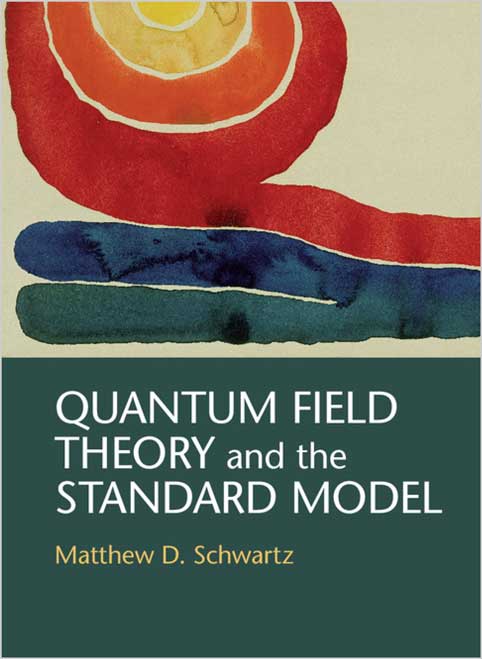
Matthew D. Schwartz
#Quantum
#Field_Theory
#physics
#combination
#particle_physics
⚛️ این کتاب مقدمهای مدرن بر نظریه میدان کوانتومی برای دانشجویان تحصیلات تکمیلی ارائه میدهد و توضیحهای شهودی و فیزیکی را با کاربردهای واقعی، مثالهای محاسباتی و مسائل تمرینی ترکیب میکند.
🔬 کتاب با ارائه تصویری جامع از نظریه میدان کوانتومی، روند توسعه فیزیک ذرات را از مبانی اولیه تا کشف بوزون هیگز دنبال میکند. ترکیب توضیحهای فیزیکی روشن، ارتباط مستقیم با دادههای تجربی و دقت ریاضی باعث شده است که مطالب برای دانشجویانی با پیشزمینهها و علایق گوناگون قابلدسترسی باشند.
🧠 کتاب تنها آشنایی در سطح کارشناسی با مکانیک کوانتومی را بهعنوان پیشنیاز در نظر میگیرد و سپس بهصورت مرحلهبهمرحله مدل استاندارد و تکنیکهای پیشرفته محاسباتی امروزی را توسعه میدهد.
🧩 بسیاری از نتایج مهم با چند روش مختلف استخراج میشوند و روشهای مدرنی مانند نظریه میدان مؤثر و گروه بازبهنجارش جایگاه برجستهای در کتاب دارند.
🧮 مثالهای حلشده فراوان و مسائل پایان فصل به دانشجویان امکان میدهند نتایج کلاسیک را خودشان بازتولید کنند و نظریه میدان کوانتومی را همانگونه که امروزه در پژوهشهای فیزیک استفاده میشود، بهطور عملی فرا بگیرند.
🎓 این اثر براساس دورهای تدوین شده است که نویسنده طی سالهای متمادی تدریس کرده و برای یک دوره پیوسته از سطح مقدماتی تا پیشرفته نظریه میدان کوانتومی یا برای مطالعه مستقل، منبعی ایدهآل محسوب میشود.
📝 نقد و بررسیها
💭 «این کتاب یک متن درسی عالی در سطح تحصیلات تکمیلی درباره نظریه میدان کوانتومی نسبیتی است و حجم چشمگیری از مطالب را، اغلب با شیوهای بسیار نوآورانه، پوشش میدهد. کتاب هم برای دورههای نظریه میدان کوانتومی نسبیتی و هم برای درسهای مدل استاندارد برهمکنشهای ذرات بنیادی ایدهآل است.
این اثر بینشهای جالبی ارائه میدهد و بسیاری از موضوعهای مدرنی را پوشش میدهد که معمولا در کتابهای موجود مطرح نمیشوند؛ مانند روشهای اسپینور ـ هلیسیتی و روابط بازگشتی روی پوسته، نظریه میدان مؤثر کوارک سنگین و نظریه میدان مؤثر نرم ـ همخط. همچنین بسیار ارزشمند است که دیدگاه مدرن درباره قدرت پیشبینی نظریههای بازبهنجارناپذیر در آن مورد بحث قرار گرفته است.
در هر نسل، شاید تنها یک بار فیزیکدانان ذرات یک کتاب نظریه میدان کوانتومی را به جایگاه اثری کلاسیک ارتقا دهند. دو نمونه از این آثار، کتابهای بیورکن و درل و نیز پسکین و شرودر هستند؛ تعجب نخواهم کرد اگر کتاب جدید شوارتز نیز به این جمع برجسته بپیوندد.»
— مارک وایز، California Institute of Technology
💭 «سفری شگفتانگیز در نظریه میدان کوانتومی از دیدگاهی مدرن؛ سرشار از بینشهایی درباره مبانی مفهومی و همچنین ابزارهای محاسباتی دقیق و زیبای این حوزه.»
— نیما آرکانیحامد، Institute for Advanced Study, Princeton
💭 «متیو شوارتز مقدمهای تازه و ارزشمند بر نظریه میدان کوانتومی ارائه کرده است. او کل شیوه ارائه این موضوع را از نو اندیشیده است؛ از مفاهیم مقدماتی و بنیادی گرفته تا پیشرفتهای جدیدی مانند توصیف دینامیک کوارکها با استفاده از نظریه میدان مؤثر. دانشجویان از دیدن نظریه میدان کوانتومی از این منظر لذت خواهند برد.»
— مایکل ای. پسکین، SLAC National Accelerator Laboratory
💭 «کتاب شوارتز از یک دوره محبوب یکساله نظریه میدان کوانتومی در هاروارد شکل گرفته است. این درس عمدتا برای دانشجویان تحصیلات تکمیلی طراحی شده، اما هر سال تعدادی از دانشجویان کارشناسی را نیز جذب و الهامبخش آنها میشود.
کتاب در ترکیب گستره، عمق و خوانایی منحصربهفرد است. شوارتز از ابتدای موضوع آغاز میکند و ما را تا مباحث روز پیش میبرد. اینکه کتاب نه سطحی است و نه بهطرزی غیرقابلتحمل متراکم، واقعا چشمگیر است و موفقیت این دوره را بهخوبی توضیح میدهد.»
— هاوارد جورجی، Harvard University
💭 «شوارتز در این کتاب بسیاری از موضوعهای کلاسیک و معاصر را با رویکردی دقیق و مدرن بررسی میکند. هم دانشجویان و هم پژوهشگران باتجربه مطالب ارزشمند فراوانی در آن خواهند یافت.»
— ادوارد ویتن، Institute for Advanced Study, Princeton
📖 فهرست مطالب
بخش اول. نظریه میدان
فصل ۱. نظریه میکروسکوپی تابش
فصل ۲. ناوردایی لورنتس و کوانتش دوم
فصل ۳. نظریه میدان کلاسیک
فصل ۴. نظریه اختلال به روش سنتی
فصل ۵. سطح مقطعها و نرخهای واپاشی
فصل ۶. ماتریس S و حاصلضربهای مرتبشده زمانی
فصل ۷. قواعد فاینمن
بخش دوم. الکترودینامیک کوانتومی
فصل ۸. اسپین ۱ و ناوردایی پیمانهای
فصل ۹. الکترودینامیک کوانتومی اسکالر
فصل ۱۰. اسپینورها
فصل ۱۱. جوابهای اسپینوری و CPT
فصل ۱۲. اسپین و آمار
فصل ۱۳. الکترودینامیک کوانتومی
فصل ۱۴. انتگرالهای مسیر
بخش سوم. بازبهنجارش
فصل ۱۵. اثر کازیمیر
فصل ۱۶. قطبش خلأ
فصل ۱۷. گشتاور مغناطیسی ناهنجار
فصل ۱۸. بازبهنجارش جرم
فصل ۱۹. نظریه اختلال بازبهنجارششده
فصل ۲۰. واگراییهای فروسرخ
فصل ۲۱. بازبهنجارپذیری
فصل ۲۲. نظریههای بازبهنجارناپذیر
فصل ۲۳. گروه بازبهنجارش
فصل ۲۴. پیامدهای یکانیّت
بخش چهارم. مدل استاندارد
فصل ۲۵. نظریه یانگ ـ میلز
فصل ۲۶. نظریه کوانتومی یانگ ـ میلز
فصل ۲۷. پراکندگی گلوئون و صورتبندی اسپینور ـ هلیسیتی
فصل ۲۸. شکست خودبهخودی تقارن
فصل ۲۹. برهمکنشهای ضعیف
فصل ۳۰. ناهنجاریها
فصل ۳۱. آزمونهای دقیق مدل استاندارد
فصل ۳۲. کرومودینامیک کوانتومی و مدل پارتون
بخش پنجم. موضوعهای پیشرفته
فصل ۳۳. کنشهای مؤثر و زمان ویژه شوینگر
فصل ۳۴. میدانهای پسزمینه
فصل ۳۵. فیزیک کوارکهای سنگین
فصل ۳۶. جتها و نظریه میدان مؤثر
پیوست A. قراردادها
پیوست B. منظمسازی
👤 درباره نویسنده
🎓 متیو دی. شوارتز استاد فیزیک در دانشگاه هاروارد و از پژوهشگران برجسته فیزیک نظری است.
🔬 پژوهشهای او بر نظریه میدان کوانتومی، فیزیک ذرات، محاسبات دقیق برخورددهندهای و کاربردهای یادگیری ماشین در فیزیک تمرکز دارند.
🤖 او همچنین عضو Institute for Artificial Intelligence and Fundamental Interactions (IAIFI) است؛ مؤسسهای که بر پیوند میان هوش مصنوعی و پژوهشهای بنیادی فیزیک تمرکز دارد.
A modern introduction to quantum field theory for graduates, providing intuitive, physical explanations supported by real-world applications and homework problems.
Providing a comprehensive introduction to quantum field theory, this textbook covers the development of particle physics from its foundations to the discovery of the Higgs boson. Its combination of clear physical explanations, with direct connections to experimental data, and mathematical rigor make the subject accessible to students with a wide variety of backgrounds and interests. Assuming only an undergraduate-level understanding of quantum mechanics, the book steadily develops the Standard Model and state-of-the art calculation techniques. It includes multiple derivations of many important results, with modern methods such as effective field theory and the renormalization group playing a prominent role. Numerous worked examples and end-of-chapter problems enable students to reproduce classic results and to master quantum field theory as it is used today. Based on a course taught by the author over many years, this book is ideal for an introductory to advanced quantum field theory sequence or for independent study.
Review
"This is an excellent graduate-level relativistic quantum field theory text, covering an impressive amount of material often with a very novel presentation. It would be ideal either for courses on relativistic quantum field theory or for courses on the Standard Model of elementary particle interactions. The book provides interesting insights and covers many modern topics not usually presented in current texts such as spinor-helicity methods and on-shell recursion relations, heavy quark effective theory and soft-collinear effective field theory. It is nice to see the modern point of view on the predictive power of non-renormalizable theories discussed. Once in a generation particle physicists elevate a quantum field theory text to the rank of classic. Two such classics are the texts by Bjorken and Drell and Peskin and Schroeder; it wouldn't surprise me if this new book by Schwartz joins this illustrious group."
—Mark Wise, California Institute of Technology
"A wonderful tour of quantum field theory from the modern perspective, filled with insights on both the conceptual underpinnings and the concrete, elegant calculational tools of the subject."
—Nima Arkani-Hamed, Institute for Advanced Study, Princeton
Matthew Schwartz has produced a new and valuable introduction to quantum field theory. He has rethought the whole presentation of the subject, from the introductory and foundational concepts to new developments such as effective field theory descriptions of quark dynamics. Students will enjoy viewing quantum field theory from his perspective."
—Michael E. Peskin, SLAC National Accelerator Laboratory
"Schwartz's book grew out of a popular year long course in quantum field theory at Harvard. Designed primarily for graduate students, this course also attracts and inspires a number of undergraduates each year. The book is unique in its combination of breadth, depth and readability. Schwartz starts at the beginning of the subject and brings us right up to the present. That the book is neither superficial nor impossibly dense is rather remarkable and makes it easy to understand the course's success."
—Howard Georgi, Harvard University
"In this book, Schwartz gives a thoughtful and modern treatment of many classical and contemporary topics. Students and experienced researchers will find much here of value."
—Edward Witten, Institute for Advanced Study, Princeton
Table of Contents
Part I. Field Theory
Chapter 1. Microscopic Theory of Radiation
Chapter 2. Lorentz Invariance and Second Quantization
Chapter 3. Classical Field Theory
Chapter 4. Old-Fashioned Perturbation Theory
Chapter 5. Cross Sections and Decay Rates
Chapter 6. The S-Matrix and Time-Ordered Products
Chapter 7. Feynman Rules
Part II. Quantum Electrodynamics
Chapter 8. Spin 1 and Gauge Invariance
Chapter 9. Scalar Quantum Electrodynamics
Chapter 10. Spinors
Chapter 11. Spinor Solutions and CPT
Chapter 12. Spin and Statistics
Chapter 13. Quantum Electrodynamics
Chapter 14. Path Integrals
Part III. Renormalization
Chapter 15. The Casimir Effect
Chapter 16. Vacuum Polarization
Chapter 17. The Anomalous Magnetic Moment
Chapter 18. Mass Renormalization
Chapter 19. Renormalized Perturbation Theory
Chapter 20. Infrared Divergences
Chapter 21. Renormalizability
Chapter 22. Non-Renormalizable Theories
Chapter 23. The Renormalization Group
Chapter 24. Implications of Unitarity
Part IV. The Standard Model
Chapter 25. Yang–Mills Theory
Chapter 26. Quantum Yang–Mills Theory
Chapter 27. Gluon Scattering and the Spinor-Helicity Formalism
Chapter 28. Spontaneous Symmetry Breaking
Chapter 29. Weak Interactions
Chapter 30. Anomalies
Chapter 31. Precision Tests of the Standard Model
Chapter 32. Quantum Chromodynamics and the Parton Model
Part V. Advanced Topics
Chapter 33. Effective Actions and Schwinger Proper Time
Chapter 34. Background Fields
Chapter 35. Heavy-Quark Physics
Chapter 36. Jets and Effective Field Theory
Appendix A. Conventions
Appendix B. Regularization
About the Author
Matthew D. Schwartz is a Professor of Physics at Harvard University and a leading researcher in theoretical physics. His work focuses on quantum field theory, particle physics, precision collider calculations, and applications of machine learning in physics. He is also a member of the Institute for Artificial Intelligence and Fundamental Interactions (IAIFI).