ثبت نام / ورود
0
ثبت نام / ورود
0
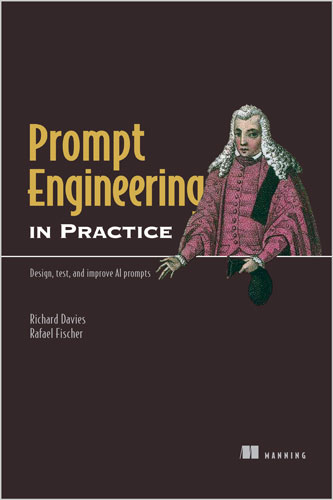
Design, test, and improve AI prompts
Richard Davies, Rafael Fischer
#Prompt
#AI
#LLM
🧠 Prompt Engineering؛ از آزمونوخطا تا مهندسی قابلاعتماد
🚀 کتاب Prompt Engineering in Practice نشان میده چطور از نتایج اتفاقی و ناپایدار AI فاصله بگیری و سیستمهایی مطمئن و آماده Production بسازی. رویکرد اصلی کتاب اینه که Promptها را مثل Interfaceهای مهندسیشده و مستقل در نظر بگیری؛ اجزایی که میشه آنها را ترکیب، ارزیابی، اصلاح و نگهداری کرد.
✨ ویژگیهای کلیدی
🧩 یک Design Stack منطقی ارائه میده که از Syntax و ساختار جزئی Prompt شروع میشه و تا معماری کلان سیستم ادامه پیدا میکنه.
✍️ عناصر ساختاری و زبانی Promptها، از Delimiter و Falsifiable Constraint گرفته تا دقت، صراحت و اختصار را بررسی میکنه.
🧠 یک Taxonomy شامل نه Pattern ارائه میده که میشه از آنها بهصورت ترکیبی برای ساخت Workflowهای Agentic مقاوم و مقیاسپذیر استفاده کرد.
🔍 چرخه Prompt Engineering را در چهار مرحله Design، Test، Iterate و Manage آموزش میده و روشی سیستماتیک برای تشخیص و Debugکردن شکستها ارائه میکنه.
🔐 نحوه ساخت Prompt Libraryهای Version-Controlled و Audited را توضیح میده که در Pull Requestها قابلبررسی، در برابر Injection ایمن و با Role-Based Access Control قابلمدیریت هستن.
📘 توضیح کتاب
🎯 گاهی LLMها پاسخهایی درخشان تولید میکنن و گاهی نتیجه بسیار ضعیفتر از انتظار است. Prompt Engineering in Practice کمک میکنه علت این تفاوت را بفهمی و از تعاملهای تصادفی با AI به سیستمهای قابلاعتماد و آماده استقرار برسی.
⚙️ ریچارد دیویس و رافائل فیشر رویکردی متفاوت معرفی میکنن: Prompt باید یک Interface مستقل، مهندسیشده و دقیق باشه که بشه آن را Compose، Evaluate و Refine کرد. با این تغییر نگاه، تعامل با Model بهجای مجموعهای از آزمونوخطاهای مبهم، به یک Software Design Discipline جدی تبدیل میشه.
🏗️ کتاب در یازده فصل جامع، یک Design Stack منطقی میسازه که از Syntax در مقیاس کوچک شروع میشه و به System Architecture در مقیاس بزرگ میرسه. ابتدا عناصر ساختاری Prompt، از جمله Delimiterها و Constraintهای ابطالپذیر، بررسی میشن. سپس ویژگیهای زبانی مثل Precision، Directness و Brevity آموزش داده میشن تا Promptهایی دقیق و مناسب استفاده در Componentهای Production قابلاستفاده مجدد بنویسی.
🧩 در ادامه، Patternهای بنیادی Prompt Engineering معرفی میشن که پایه ساخت Workflowهای Agentic مقاوم و مقیاسپذیر هستن. Taxonomy نهالگویی کتاب، استراتژیهایی ترکیبپذیر در اختیار قرار میده و همزمان نشان میده سیستمهای مبتنی بر LLM در عمل چطور کار میکنن.
🔍 از آنجا که پاسخهای LLMها بهشکلی مداوم ناسازگار هستن، کتاب Frameworkی عملی برای تشخیص نظاممند شکست Prompt ارائه میده. Promptها بهعنوان Specification در نظر گرفته میشن و منابع Variance مورد بررسی قرار میگیرن. در چهار مرحله چرخه Prompt Engineering یعنی Design، Test، Iterate و Manage، فرایندی منظم برای تحلیل و Troubleshooting شکستها تمرین میشه.
🛠️ در فصلهای پایانی مربوط به Deployment و Operations، خروجیهای غیرمنتظره بهعنوان Signalهای ارزشمند و قابل Debug در نظر گرفته میشن. این Signalها کمک میکنن بخشهایی را پیدا کنی که Prompt در آنها بهاندازه کافی مشخص و دقیق نوشته نشده است.
🔐 کتاب در نهایت یاد میده Promptها را مثل Software Artifactهای درجهیک و قابلنگهداری مدیریت کنی. با ساخت Prompt Libraryهای Version-Controlled و Audited میشه Prompt Debt را حذف کرد، تغییرات را در Pull Requestها بررسی کرد، در برابر Prompt Injection مقاومت ایجاد کرد و دسترسیها را با RBAC مدیریت کرد.
🎯 با ایجاد پلی میان آزمایشهای Prototype و عملیات Production، ابزارهای لازم برای همکاری با تیمهای Cross-Functional و حفظ یکپارچگی، امنیت و ثبات AI Integrationها در طول زمان به دست میاری.
🎯 چیزهایی که یاد میگیری
🧱 یاد میگیری Promptها را بهعنوان Interfaceهای مستقل و مهندسیشده طراحی کنی.
✍️ میتونی با استفاده از Delimiterها، Constraintها، دقت، صراحت و اختصار، Promptهای مشخصتری بنویسی.
🧩 با Patternها، Templateها و انواع مختلف Prompt آشنا میشی و آنها را بهصورت ترکیبی به کار میگیری.
🔄 چرخه Design، Test، Iterate و Manage را برای توسعه و نگهداری Promptها اجرا میکنی.
🔍 یاد میگیری علت شکست Prompt و Variance در خروجی Model را بهشکل سیستماتیک تحلیل و Debug کنی.
⚡ میتونی با دقت زبانی هدفمند، تعداد Iterationها و دوبارهکاریهای فرایند توسعه را کاهش بدی.
🛡️ با Hardening مناسب، Hallucination و آسیبپذیریهای امنیتی را کاهش میدی و سیستم را در برابر Prompt Injection مقاومتر میکنی.
📚 یاد میگیری Prompt Libraryهای Version-Controlled، Audited و قابلبررسی در Pull Request بسازی و دسترسی به آنها را با RBAC مدیریت کنی.
👤 این کتاب برای چه کسانیه؟
💻 این کتاب برای Software Developerها و AI Engineerهایی نوشته شده که میخوان سیستمهای مبتنی بر LLM را برای محیط Production طراحی، ایمن و نگهداری کنن.
🤝 مطالب برای افرادی هم کاربرد داره که میخوان Prompt Engineering را از مجموعهای از ترفندهای پراکنده به یک فرایند مهندسی قابلتکرار تبدیل کنن و با تیمهای Cross-Functional روی AI Integrationهای ایمن و پایدار کار کنن.
📌 در متن منبع پیشنیاز مشخصی برای مطالعه کتاب ذکر نشده است.
📝 نقد و بررسی
💭 «راهنمایی متفکرانه و کاربردی برای Prompt Engineering بهعنوان یک رشته واقعی.»
— چه گمبل، Davies Group
💭 «Taxonomy نهالگویی کتاب، استراتژیهای واقعا کاربردی و ترکیبپذیری برای Prompt Engineering ارائه میده. همچنین مقدمهای عالی برای درک نحوه عملکرد واقعی سیستمهای مبتنی بر LLM است!»
— دیوانگ سلطانییا، Senior Machine Learning Engineer در Netflix
📖 فهرست مطالب
بخش اول. مبانی
فصل ۱. Prompt Engineering؛ نقشه اولیه
بخش دوم. طراحی Prompt
فصل ۲. طراحی Prompt؛ عناصر ساختاری
فصل ۳. طراحی Prompt؛ عناصر زبانی
فصل ۴. Patternها
فصل ۵. Templateها
فصل ۶. انواع Prompt
بخش سوم. Prompting پیشرفته
فصل ۷. Contextual Prompting
فصل ۸. Prompt Sampling
فصل ۹. Patternهای پیشرفته Prompt
بخش چهارم. کاربرد عملی
فصل ۱۰. Security
فصل ۱۱. مدیریت Promptها در Production
👥 درباره نویسندگان
🧠 ریچارد دیویس CTO شرکت Vance است؛ یک Startup هوش مصنوعی مستقر در آمریکا که در حوزه تعهدات و رعایت الزامات کسبوکار فعالیت میکنه. او بیش از شش سال تجربه در صنعت داره.
⚙️ تخصص ریچارد دیویس توسعه محصولات پیشرفته AI است؛ از جمله سیستمهای Real-Time Semantic Segmentation، الگوریتمهای Activity Detection و پلتفرمهای Machine Translation.
🤖 دکتر رافائل فیشر Generative AI Software Engineer با بیش از شش سال تجربه در طراحی و ارائه محصولات مقیاسپذیر مبتنی بر AI برای شرکتهایی در آمریکا، اروپا و برزیل است.
🌐 تخصص او ساخت راهکارهای Full-Stack و Product-Oriented است که LLMها، Agentic Workflowها و معماریهای امن Cloud-Native را با هم ترکیب میکنن تا تجربههای کاربری ساده، مؤثر و ارزشمند ایجاد بشن.
"A thoughtful, practical guide to prompt engineering as a real discipline.”
—Che Gamble, Davies Group
Sometimes your LLMs return brilliant responses. Other times, not so much. Do you know why? Prompt Engineering in Practice shows you how to move from accidental AI results to reliable, production-grade systems you can deploy with confidence. Written by AI veterans Richard Davies and Rafael Fischer, this book introduces a unique approach: treat prompts as engineered, self-contained interfaces that you can compose, evaluate, and refine. This shift reframes model interactions as a strict software design discipline rather than a series of fuzzy trial-and-error exercises.
Spanning 11 comprehensive chapters, Prompt Engineering in Practice establishes a logical “design stack” that builds from microscopic syntax to macroscopic system architecture. You’ll start by learning to define the structural elements of a prompt, including delimiters and falsifiable constraints, along with linguistic characteristics like precision, directness, and brevity. These techniques equip you to write well-specified prompts that you can successfully incorporate into reusable production components.
You’ll then explore the foundational patterns that form the core of prompt engineering and enable you to build robust, scalable agentic workflows. Reviewer Dewang Sultania, Senior Machine Learning Engineer at Netflix, noted “The nine-pattern taxonomy provides genuinely useful composable prompt engineering strategies. It’s also a great introduction on how LLM-powered systems actually work!”
Because LLM responses are consistently inconsistent, the book provides a practical framework to diagnose prompt failures systematically by treating prompts as specifications and investigating sources of variance. Throughout the book, you’ll practice a process to systematically analyze and troubleshoot prompt failures as you navigate four distinct phases of the prompt engineering lifecycle—Design, Test, Iterate, Manage. By the time you reach the deployment and operations chapters that conclude the book, you’ll be treating unexpected outputs as valuable debuggable system signals that help you isolate where a prompt is underspecified.
Ultimately, Prompt Engineering in Practice shows you how to treat prompts as first-class, maintainable software artifacts. You will learn to eliminate “prompt debt” by building version-controlled, audited prompt libraries that can be reviewed in pull requests, secured against injection, and managed using role-based access controls. By bridging the gap between prototype experimentation and production operations, this guide provides the exact tools needed to collaborate with cross-functional teams and maintain consistent, safe AI integrations over time.
What's inside
• Eliminate prompt debt with version-controlled, audited prompt libraries
• Reduce development iteration and rework through deliberate linguistic precision
• Mitigate hallucinations and security vulnerabilities using robust hardening techniques
• Diagnose and debug model output failures using systematic engineering frameworks
About the reader
This book is for software developers and AI engineers who want to build, secure, and maintain reliable LLM-powered systems in production.
Table of Contents
Part 1. Foundations
1. Prompt Engineering: The Blueprint
Part 2. Prompt Design
2. Prompt Design: Structural Elements
3. Prompt Design: Linguistic Elements
4. Patterns
5. Templates
6. Prompt Types
Part 3. Advanced Prompting
7. Contextual Prompting
8. Prompt Sampling
9. Advanced Prompt Patterns
Part 4. Practice
10. Security
11. Managing Prompts in Production
About the Author
Richard Davies is the CTO of Vance, an artificial intelligence US-based startup in the business obligations and observance space. With over 6 years of industry experience, he specializes in developing cutting-edge AI products, including real-time semantic segmentation systems, activity detection algorithms, and machine translation platforms.
Rafael Fischer, PhD, is a Generative AI Software Engineer with over 6 years of experience designing and delivering scalable AI-powered products for companies in the US, Europe, and Brazil. He specializes in building full-stack, product-oriented solutions that integrate LLMs, agentic workflows, and secure, cloud-native architectures to create intuitive, high-impact user experiences.