ثبت نام / ورود
0
ثبت نام / ورود
0
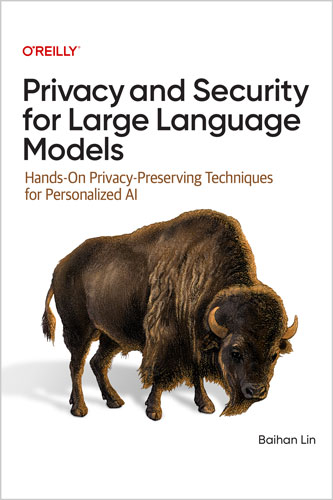
Hands-On Privacy-Preserving Techniques for Personalized AI
Baihan Lin
#Privacy
#Security
#LLM
#AI
#data_leak
با گسترش شدید استفاده از تکنولوژیهای هوش مصنوعی، نیاز به حفظ حریم خصوصی و امنیت در استفاده از مدلهای زبانی بزرگ (LLMها) حیاتیتر از همیشه شده. متخصصین این حوزه الان با یه چالش بزرگ روبرو هستن: چطور از قدرت فوقالعاده LLMها برای برنامههای شخصیسازیشده استفاده کنن، در حالی که امنیت و حریم خصوصی دادهها هم سفت و سخت رعایت بشه. ریسک کار بالاست، چون نقض حریم خصوصی و نشت دادهها میتونه ضربههای حیثیتی و مالی سنگینی به همراه داشته باشه.
📘 درباره این کتاب
این کتاب دقیقا همون راهنماییه که برای حل این دغدغهها لازم داریم. دکتر بایهان لین یه بررسی جامع روی تکنیکهای حفظ حریم خصوصی و امنیت مثل Differential Privacy، یادگیری فدرال (Federated Learning) و رمزنگاری همومورفیک (Homomorphic Encryption) انجام داده و کاربردشون رو توی LLMها توضیح میده. این کتاب با داشتن مثالهای کدنویسی عملی، کیساستادیهای واقعی و متدولوژیهای قوی برای فاینتیون کردن (Fine-tuning) در دامنههای خاص، یه منبع ضروری برای توسعه سولوشنهای هوش مصنوعی امن، اخلاقی و شخصیسازیشده توی دنیای امروز محسوب میشه.
🎯 آنچه یاد خواهید گرفت
با خوندن این کتاب موارد زیر رو یاد میگیری:
• کشف تکنیکهای حفظ حریم خصوصی برای LLMها
• یادگیری متدولوژیهای امن برای فاینتیون کردن و شخصیسازی LLMها
• درک استراتژیهای دیپلویمنت (Deployment) امن و محافظت در برابر حملات
• بررسی ملاحظات اخلاقی مثل بایاس (Bias) و شفافیت مدل
• به دست آوردن بینش عمیق از کیساستادیهای واقعی در حوزههای بهداشت، مالی و غیره
📑 فهرست مطالب
فصل ۱. مقدمه
فصل ۲. درک مدلهای زبانی بزرگ
فصل ۳. ارزیابی ریسکهای حریم خصوصی و امنیتی در LLMها
فصل ۴. تکنیکهای آموزش با حفظ حریم خصوصی
فصل ۵. دیپلویمنت امن LLMها
فصل ۶. حملات خصمانه (Adversarial) و روشهای دفاعی
فصل ۷. ملاحظات اخلاقی در فاینتیون کردن LLMها
فصل ۸. پیمایش در چشماندازهای فرهنگی، اجتماعی و قانونی
فصل ۹. ایجاد قابلیتهای هوش مصنوعی با حفظ حریم خصوصی
📝 از پیشگفتار
دوران مدلهای زبانی بزرگ نه با سروصدای فیلمهای علمی-تخیلی، بلکه با یه انقلاب خاموش در تعاملات روزمره ما با تکنولوژی شروع شده. از لحظهای که یه سوال از گوشیت میپرسی تا وقتی که یه چتبات مشکل مشتری رو حل میکنه، LLMها دارن نحوه ارتباط ما با ماشینها رو تغییر میدن. اما زیر این قابلیتهای شگفتانگیز، یه پارادوکس وجود داره که شرایط فعلی تکنولوژی ما رو تعریف میکنه: دقیقا همون قدرتی که این مدلها رو مفید میکنه (یعنی توانایی یادگیری از حجم عظیمی از دادههای تولید شده توسط انسان)، اونها رو تبدیل به مخازنی از حساسترین اطلاعات ما هم میکنه. این کتاب در تقاطع دو واقعیت مهم قرار داره. اول اینکه مدلهای زبانی بزرگ یکی از تحولآفرینترین تکنولوژیهای زمان ما هستن که میتونن همه چیز از بهداشت تا آموزش رو متحول کنن. دوم اینکه دیپلوی کردن مسئولانه این مدلها نیازمند دست و پنجه نرم کردن با چالشهای امنیتی و حریم خصوصیه که کاملا با چیزهایی که قبلا دیدیم متفاوته. حساسیت موضوع هیچوقت به این اندازه نبوده و راهکارها همزمان به پیچیدگی فنی و شفافیت اخلاقی نیاز دارن.
👥 این کتاب برای چه کسانیه؟
این کتاب برای متخصصان هوش مصنوعی، دیتا ساینتیستها، مهندسان یادگیری ماشین و متخصصان امنیتی نوشته شده که در خط مقدم دیپلوی کردن LLMها در محیطهای واقعی هستن. شما احتمالا اصول یادگیری ماشین رو میدونید و با شبکههای عصبی کار کردید، اما الان با سوالاتی روبرو هستید که فراتر از صرفا عملکرد مدل هستن. چطور یه مدل رو روی دادههای حساس پزشکی فاینتیون کنیم بدون اینکه اطلاعات بیمار لو بره؟ چطور سیستمهای هوش مصنوعی شخصیسازیشده رو دیپلوی کنیم در حالی که حریم خصوصی کاربر حفظ بشه؟ چطور در برابر حملات خصمانهای دفاع کنیم که تا همین چند سال پیش وجود نداشتن؟
شاید شما یه مهندس یادگیری ماشین توی یه استارتاپ سلامت باشید که میخواد سیستمهای AI منطبق با HIPAA بسازه. شاید هم یه دیتا ساینتیست توی یه موسسه مالی هستید که وظیفه ساخت سیستمهای پیشنهاددهنده شخصیسازیشده رو داره که باید با قوانین سفت و سخت حریم خصوصی سازگار باشن. یا شاید یه محقق امنیتی هستید که بردارهای حمله جدیدی رو بررسی میکنه که وقتی سیستمهای AI زبان انسان رو در مقیاس بزرگ پردازش میکنن، به وجود میان. فرض من اینه که شما تخصص متوسط تا پیشرفته در یادگیری ماشین دارید، با برنامهنویسی پایتون آشنا هستید و دانش کاربردی از فریمورکهای یادگیری عمیق دارید. مهمتر از اون، فرض میکنم شما درگیر چالشهای عملی دیپلویمنت مسئولانه هوش مصنوعی هستید؛ چالشهایی که کتابهای درسی معمولا ازشون رد میشن ولی متخصصان هر روز باهاش سر و کار دارن. چه توسعهدهندهای باشید که میخواد اپلیکیشنهای AI با حفظ حریم خصوصی بسازه، چه محققی که دنبال جلو بردن مرزهای تکنولوژی LLM هست، یا تصمیمگیرندهای که با پیامدهای اخلاقی و اجتماعی این سیستمها درگیره، این کتاب حرفی برای گفتن داره. ما عمیقا وارد جنبههای فنی LLMها میشیم، از معماری و تکنیکهای آموزش گرفته تا آخرین پیشرفتها در یادگیری ماشین با حفظ حریم خصوصی. در عین حال، یه گام به عقب برمیداریم و چشماندازهای فرهنگی، اجتماعی و قانونی وسیعتری رو که توسعه و دیپلویمنت این تکنولوژیها رو شکل میدن، بررسی میکنیم.
👨💻 درباره نویسنده
دکتر بایهان لین (Baihan Lin) یه دانشمند علوم کامپیوتر، عصبشناس، مخترع و استاد برجسته متخصص در پردازش گفتار و زبان طبیعی (NLP) هست. ایشون سمتهای هیئت علمی در دانشگاه هاروارد و دانشکده پزشکی Icahn در Mount Sinai داره. دکتر لین که به خاطر تخصصش در حوزه هوش مصنوعی عصبی قابلاعتماد (Trustworthy Neuro-AI) و روانپزشکی محاسباتی شناخته شدهست، مشارکتهای مهمی در این زمینهها داشته؛ هم از طریق کارش در دانشگاه کلمبیا (جایی که دکتراش رو گرفت) و هم تحقیقاتش در شرکتهای تک پیشرو مثل IBM، گوگل، مایکروسافت، آمازون و BGI Genomics.
برنامه تحقیقاتی ایشون روی توسعه سیستمهای هوشمند مبتنی بر گفتار و متن تمرکز داره تا تعاملات انسان-هوش مصنوعی و انسان-انسان رو در حوزه سلامت بهبود بده. به طور خاص، ایشون اولین سیستم تشخیص گوینده (Speaker Diarization) مبتنی بر یادگیری آنلاین و یادگیری تقویتی (RL) و همچنین سیستمهای درک زبان گفتاری تعاملی (SLU) مبتنی بر RL رو برای کودکان دارای اختلالات گفتاری و ارتباطی توسعه داده.
کارهای دکتر لین در یادگیری عمیق، RL و NLP منجر به کاربردهای دنیای واقعی شده، از جمله همراهان هوش مصنوعی برای درمانگران و واقعیتهای مجازی آگاه به زمینه (Context-aware). ایشون بیش از ۵۰ مقاله و پتنت داوریشده (Peer-reviewed) داره و در کمیتههای برنامه و به عنوان داور برای بیش از ۱۵ کنفرانس برتر هوش مصنوعی و بیش از ۲۰ ژورنال خدمت کرده. ایشون ریاست توریالها و ورکشاپهایی رو در AAAI، INTERSPEECH، ICASSP، WACV و IJCAI بر عهده داشته که روی RL، تکنولوژی زبان انسان در حلقه (Human-in-the-loop) و اخیرا، همسوسازی (Alignment)، حریم خصوصی، امنیت و حکمرانی هوش مصنوعی مولد تمرکز داشتن.
به عنوان فینالیست جایزه Bell Labs و XPRIZE، مشارکتهای دکتر لین در الگوریتمهای بلادرنگ (Real-time) درک مغز و ذهن انسان رو جلو میبره، از افراد محروم با شرایط سلامت روان حمایت میکنه و تکامل هوش مصنوعی عاطفی و همدلانه رو در عصر مدلهای زبانی بزرگ هدایت میکنه.
As the deployment of AI technologies surges, the need to safeguard privacy and security in the use of large language models (LLMs) is more crucial than ever. Professionals face the challenge of leveraging the immense power of LLMs for personalized applications while ensuring stringent data privacy and security. The stakes are high, as privacy breaches and data leaks can lead to significant reputational and financial repercussions.
This book serves as a much-needed guide to addressing these pressing concerns. Dr. Baihan Lin offers a comprehensive exploration of privacy-preserving and security techniques like differential privacy, federated learning, and homomorphic encryption, applied specifically to LLMs. With its hands-on code examples, real-world case studies, and robust fine-tuning methodologies in domain-specific applications, this book is a vital resource for developing secure, ethical, and personalized AI solutions in today's privacy-conscious landscape.
By reading this book, you'll:
The era of large language models (LLMs) has arrived not with the fanfare of science fiction, but with the quiet revolution happening in our daily interactions with technology. From the moment you ask your phone a question, to the instant a chatbot helps resolve a customer issue, LLMs are reshaping how we communicate with machines. Yet beneath this remarkable capability lies a paradox that defines our technological moment: the very power that makes these models so useful, their ability to learn from vast amounts of human-generated data, also makes them repositories of our most sensitive information.
This book exists at the intersection of two critical realities. First, that large language models represent one of the most transformative technologies of our time, capable of revolutionizing everything from healthcare to education. Second, that deploying these models responsibly requires grappling with privacy and security challenges that are fundamentally different from anything we’ve faced before. The stakes have never been higher, and the solutions demand both technical sophistication and ethical clarity.
Who Should Read This Book
This book is written for AI practitioners, data scientists, machine learning engineers, and security professionals who find themselves at the forefront of deploying LLMs in real-world environments. You likely already understand the basics of machine learning and have worked with neural networks, but you’re now confronting questions that go beyond model performance. How do you fine-tune a model on sensitive medical data without exposing patient information? How do you deploy personalized AI systems while maintaining user privacy? How do you defend against adversarial attacks that didn’t exist just a few years ago?
You might be a machine learning engineer at a healthcare startup, wondering how to build HIPAA-compliant AI systems. Perhaps you’re a data scientist at a financial institution, tasked with creating personalized recommendation systems that must comply with strict privacy regulations. Or you could be a security researcher, investigating new attack vectors that emerge when AI systems process human language at scale.
I assume you have intermediate to advanced expertise in machine learning, familiarity with Python programming, and a working knowledge of deep learning frameworks. More importantly, I assume you’re grappling with the practical challenges of responsible AI deployment, the challenges that textbooks often gloss over but that practitioners face every day.
Whether you’re a developer looking to build privacy-preserving AI applications, a researcher seeking to advance the frontiers of LLM technology, or a decision-maker grappling with the ethical and societal implications of these systems, this book has something to offer. We’ll dive deep into the technical aspects of LLMs, from their architectures and training techniques to the latest advances in privacy-preserving machine learning. At the same time, we’ll step back and consider the broader cultural, social, and legal landscapes that shape the development and deployment of these technologies.
Table of Contents
Chapter 1. Introduction
Chapter 2. Understanding Large Language Models
Chapter 3. Evaluating the Privacy and Security Risks of LLMs
Chapter 4. Privacy-Preserving Training Techniques
Chapter 5. Secure Deployment of LLMs
Chapter 6. Adversarial Attacks and Defenses
Chapter 7. Ethical Considerations in Fine-Tuning LLMs
Chapter 8. Navigating the Cultural, Social, and Legal Landscapes
Chapter 9. Building Privacy-Preserving AI Capabilities
Dr. Baihan Lin is a leading computer scientist, neuroscientist, inventor, and professor specializing in speech and natural language processing (NLP). He holds faculty positions at Harvard University and the Icahn School of Medicine at Mount Sinai. Known for his expertise in trustworthy Neuro-AI and computational psychiatry, Dr. Lin has made significant contributions to these fields through his work at Columbia University, where he earned his PhD, and through his research at leading tech companies such as IBM, Google, Microsoft, Amazon, and BGI Genomics.
His research program focuses on developing intelligent speech and text-based systems to enhance human-AI and human-human interactions in healthcare. Notably, he developed the first-ever online and reinforcement learning (RL)-based speaker diarization system and RL-based interactive spoken language understanding (SLU) systems for children with speech and communication disorders.
Dr. Lin's work in deep learning, RL, and NLP has led to real-world applications, including AI companions for therapists and context-aware virtual realities. He has authored over 50 peer-reviewed publications and patents and has served on program committees and as a reviewer for over 15 top AI conferences and more than 20 journals. He has chaired tutorials and workshops at AAAI, INTERSPEECH, ICASSP, WACV, and IJCAI, focusing on RL, human-in-the-loop language technology, and most recently, the alignment, privacy, security, and governance of generative AI.
As a finalist for the Bell Labs Prize and XPRIZE, Dr. Lin's contributions in real-time algorithms advance the understanding of the human brain and mind, support disadvantaged individuals with mental health conditions, and drive the evolution of affective and empathetic AI in the era of large language models.