ثبت نام / ورود
0
ثبت نام / ورود
0
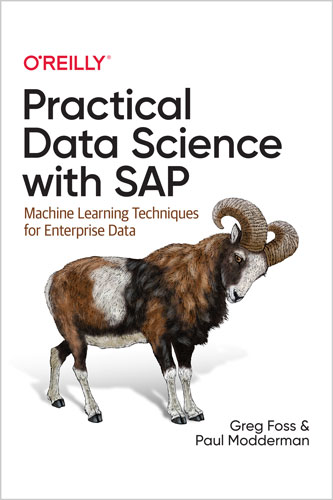
Machine Learning Techniques for Enterprise Data
Greg Foss and Paul Modderman
#Data_Science
#SAP
#ERP
#Python
#NLP
#Machine_Learning
🧠 یاد بگیر چطور ابزارها و تکنیکهای امروزی Data Science رو با سیستم برنامهریزی منابع سازمانی یا ERP در SAP ترکیب کنی. در این راهنمای عملی، متخصصهای باتجربه SAP یعنی گرگ فاس و پل مادِرمن نشون میدن چطور با استفاده از چند ابزار تحلیل داده، مسئلههای جالبی رو روی دادههای SAP حل کنی.
🔄 مهندسها و دانشمندهای داده روشهایی رو بررسی میکنن که باهاشون میشه دادههای SAP رو وارد فرایندهای تحلیلی کرد. از طرف دیگه، تحلیلگرهای کسبوکار SAP هم روشهای عملیای یاد میگیرن برای جواب دادن به سؤالهای مهم کسبوکار. کتاب با تمرکز روی توضیحهای ملموس از فرایندهای SAP و ابزارهای Data Science، روشهای قدرتمندی در اختیار دانشمندهای داده و تحلیلگرهای کسبوکار میذاره تا واقعیتهای عمیقتری رو از دادهها کشف کنن.
🔍 موضوعهایی که بررسی میکنی
🛠️ مثالهایی از اینکه تحلیل داده چطور میتونه به حل چندین چالش SAP کمک کنه
📝 استفاده از پردازش زبان طبیعی برای کشف اطلاعات پنهان داخل متن
🧩 تکنیکهای Data Science برای خوشهبندی و Segmentation دادهها
⚠️ روشهایی برای تشخیص ناهنجاریها در دادههای SAP
📊 تکنیکهای ویژوالسازی برای اینکه دادهها رو زنده و قابلفهم کنی
📖 فهرست مطالب
فصل ۱. مقدمه
فصل ۲. Data Science برای متخصصهای SAP
فصل ۳. SAP برای دانشمندهای داده
فصل ۴. تحلیل اکتشافی داده با R
فصل ۵. تشخیص ناهنجاری با R و Python
فصل ۶. تحلیل پیشبینیگر با R و Python
فصل ۷. خوشهبندی و Segmentation با R
فصل ۸. استخراج قوانین وابستگی
فصل ۹. پردازش زبان طبیعی با Google Cloud Natural Language API
فصل ۱۰. نتیجهگیری
📘 از پیشگفتار
📖 چطور این کتاب رو بخونی
🧠 باید با یک نگاه مفهومی سراغ این کتاب بری. ما تکنیکهای جایگزینی برای تحلیل دادههای کسبوکار ارائه میدیم. از خواننده میخوایم، یا بهتره بگیم واقعاً التماس میکنیم، که درباره دادههای کسبوکار، مخصوصاً دادههای SAP، به روشهای تازه و جذاب فکر کنه. این کتاب طراحی شده تا ایدههایی درباره پر کردن فاصله بین دادههای خاص کسبوکار تو و پیشرفتهای Data Science ایجاد کنه. لازم نیست در الگوریتمهای پیچیدهای که Gradient Descent رو در یک شبکه عصبی محاسبه میکنن متخصص باشی، و لازم نیست روی همه دادههای کسبوکارت هم تسلط کامل داشته باشی. اما باید علاقه داشته باشی بین این دو دنیا حرکت کنی و در این مسیر لذت ببری.
👨🔬 از دید یک دانشمند داده، اصلهای Data Science مطرحشده در این کتاب بیشتر نقش مقدمه رو دارن. اگر از فاصله پنجاه قدمی هم میتونی تابع فعالسازی sigmoid، tanh یا ReLU رو تشخیص بدی، میتونی از اون بخشها عبور کنی. اما حدس ما اینه که اگر در Data Science به چنین سطح بالایی رسیده باشی، احتمالاً در بخشهای SAP تازهکاری.
🗄️ در این حالت بهتره روی داستانها و سناریوهای SAP تمرکز کنی؛ بخشهایی که نشون میدن چطور دادهها رو از سیستم بیرون بکشی و با دادههای واقعی کسبوکار داخل سیستم کار کنی.
📈 از دید یک متخصص SAP، این کتاب کمکت میکنه از مدلهای سنتی گزارشگیری و Analytics فاصله بگیری. یاد میگیری درباره اپلیکیشنهای کسبوکار و گزارشها با نگاه Machine Learning و Deep Learning فکر کنی.
✨ شاید این موضوع در ابتدا کمی عجیب یا رازآلود به نظر برسه، اما تا پایان کتاب ابزارهای لازم رو برای برداشتن این قدم در اختیار داری. در طول مسیر، ناهنجاریهای دادههای فروش رو بهصورت اتوماتیک پیدا میکنی، آینده رو از روی دادههای گذشته پیشبینی میکنی، متن رو بهعنوان زبان طبیعی پردازش میکنی، مشتریها رو در گروههای هوشمند Segment میکنی، همه این موارد رو بهشکل حرفهای ویژوالسازی میکنی و به Botها یاد میدی از دادههای کسبوکار استفاده کنن.
🤖 در دنیای AI و Data Science، پرسیدن همان سؤالهای قدیمی از دادهها، دیگه تکراری، سادهلوحانه و صادقانه بگیم، خستهکننده است. ما میخوایم سؤالهایی از دادههات بپرسی که حتی نمیدونستی امکان پرسیدنشون وجود داره. شاید واقعاً قیمت چای در چین اثر خیلی بزرگی روی فروش تو داشته باشه.
👨💻 از دید یک دولوپر، این کتاب الهامت میده تا زبانهای برنامهنویسی جذابی مثل Python و R رو یاد بگیری. ما این زبانها رو آموزش نمیدیم، اما تشویقت میکنیم حداقل وارد این دنیای گرم و پرجنبوجوش بشی و امتحانشون کنی. اگر از قبل دولوپر باتجربه R یا Python هستی، برای بخشهای کدنویسی آمادهای. اگر تازهکاری، منابعی معرفی میکنیم که کمکت میکنن شروع کنی. اگر ترجیح میدی از زبان دیگهای مثل Java استفاده کنی، احساس نکن از کتاب کنار گذاشته شدی. هدف اصلی کتاب اینه که روش فکرت درباره دادههای کسبوکار رو تغییر بده؛ بنابراین اگر میخوای این کار رو با Java انجام بدی، کاملاً آزاد هستی.
⚙️ عملیاتی کردن Data Science خودش بهاندازه یک کتاب کامل موضوع داره. در بخشهای مختلف به روشهای عملیاتی کردن ایدههایی که معرفی میکنیم اشاره میشه، اما ساخت پایپلاینهای قوی و آماده پروداکشن خارج از Scope این کتابه.
👤 درباره نویسندگان
👨💼 گرگ فاس دانش عمیق و امتحانشده خودش در SAP رو با علاقه جدی به همه جنبههای Data Science ترکیب میکنه. سابقه کاری او در SAP تقریباً تمام لایههای Technology Stack رو پوشش میده؛ از سرور، دیتابیس و امنیت گرفته تا توسعه Backend و Frontend و تخصصهای Functional. او بهعنوان Enterprise Architect، سالها نقش راهنمای ثابت و قابلاعتمادی در مدیریت، پشتیبانی و توسعه سیستمهای SAP داشته.
📊 گرگ بهعنوان بنیانگذار Blue Diesel Data Science، سالها تجربه خودش در R، Python، الگوریتمهای Machine Learning و Analytics رو برای پیدا کردن داستانها و اینسایتهای منحصربهفرد از دادههای Enterprise SAP به کار میگیره. او از طریق Blue Diesel بهطور مرتب دانش و اینسایتهای خاص خودش رو با کامیونیتی وبلاگنویسی Data Science به اشتراک میذاره و دولوپر اصلی و معمار VisionaryRX هم هست؛ یک محصول نوآورانه برای ساخت داشبوردهای داده در صنعت داروسازی.
👨💻 پل مادِرمن عاشق ساختن چیزهای جدید و به اشتراک گذاشتن اونهاست. مسیر حرفهای او طیف گستردهای از تکنولوژیها رو پوشش میده؛ از اپلیکیشنهای وب با .NET، Java، Python و React گرفته تا راهکارهای SAP با ABAP، OData و SAPUI5، و تکنولوژیهای کلاد مثل Google Cloud Platform، Amazon Web Services و Microsoft Azure.
☁️ او Principal Technical Architect راهکارهای دارای گواهی CloudSimple و Analytics for BW در شرکت Mindset بوده. پل در سال ۲۰۱۷ عنوان SAP Developer Hero رو دریافت کرده و نویسنده دو کتابه: Mindset Perspectives: SAP Development Tips, Tricks, and Projects و کتاب SAPUI5 and SAP Fiori: The Psychology of UX Design که توسط SAP Press منتشر شده.
Learn how to fuse today's data science tools and techniques with your SAP enterprise resource planning (ERP) system. With this practical guide, SAP veterans Greg Foss and Paul Modderman demonstrate how to use several data analysis tools to solve interesting problems with your SAP data.
Data engineers and scientists will explore ways to add SAP data to their analysis processes, while SAP business analysts will learn practical methods for answering questions about the business. By focusing on grounded explanations of both SAP processes and data science tools, this book gives data scientists and business analysts powerful methods for discovering deep data truths.
You'll explore:
Table of Contents
Chapter 1. Introduction
Chapter 2. Data Science for SAP Professionals
Chapter 3. SAP for Data Scientists
Chapter 4. Exploratory Data Analysis with R
Chapter 5. Anomaly Detection with R and Python
Chapter 6. Predictive Analytics in R and Python
Chapter 7. Clustering and Segmentation in R
Chapter 8. Association Rule Mining
Chapter 9. Natural Language Processing with the Google Cloud Natural Language API
Chapter 10. Conclusion
You’ll need to approach this book from a conceptual point of view. We present alternative techniques for analyzing business data.We ask—nay, we beg—the reader to think about business data (in particular SAP data) in new and interesting ways. This book is designed to awaken ideas around how to bridge the gap between your particular business data and the advances in data science. You need not be an expert in the complex algorithms that calculate gradient descent in a neural network, nor do you need to be an expert in your business data. But you do need to have a desire to straddle these two camps and have fun in the process.
From the data scientist’s perspective, the data science principles in this book are an introduction. If you can spot a sigmoid, tanh, or relu activation function at fifty paces, you can skip those parts. But we’re betting that if your guru level is that high in data science, you’re a novice at the SAP stuff.
Focus in on the SAP stories, showing you how to pull things out and demonstrating working with the real business data in the system.
From the SAP professional’s perspective, you’ll break out of traditional reporting and analytics models. You’ll learn to think of business applications and reporting in machine and deep learning terms.
This may sound mystical, but by the end of the book you will have the tools necessary to take this step. Along the way you’ll automatically detect anomalies in sales data, predict the future from past data, process text as natural language, segment customers into smart groups, visualize all these things brilliantly, and teach bots to use business data.
In our world of AI and data science, asking the same old questions of your data is stale, naive, and (quite frankly) boring. We want you to ask questions of your data that you didn’t even know you could ask. Maybe the price of tea in China really does have an outsize effect on your sales.
From the developer’s perspective, you’ll be inspired to learn wonderful programming languages like Python and R. We don’t teach you these languages, but we challenge you to dip your toe into these warm and effervescent waters. If you are already an experienced R or Python developer, you’re in good shape for the code sections. For the novice, we will point you to resources to get you started. Don’t feel left out if you are inclined to use another language such as Java. The “meta” goal of this book is to get you to think of how to think of business data differently and if that means you want to use Java, by all means do so.
Operationalizing data science is a whole book in itself. We’ll frequently touch on how to operationalize ideas we present, but it is beyond the scope of this book to dive deep on creating robust pipelines.
Greg Foss fuses battle-tested deep SAP knowledge with a passion for all things data science. His SAP career spans all areas of the technology stack - server, database, security, back and front end development, and functional expertise. As an enterprise architect, he’s been the steady guiding hand for years of managing, supporting, and enhancing SAP. As the founder of Blue Diesel Data Science, he focuses years of R, Python, machine learning algorithms, and analytics expertise on finding unique stories to tell from enterprise SAP data. Through Blue Diesel, Greg regularly contributes unique knowledge and insight into the data science blogging community, and is the principal developer and architect of VisionaryRX, an innovative pharmaceutical data dashboarding product.
Paul Modderman loves creating things and sharing them. His tech career has spanned web applications with technologies like .NET, Java, Python, and React to SAP solutions in ABAP, OData and SAPUI5, to cloud technologies in Google Cloud Platform, Amazon Web Services, and Microsoft Azure. He was principal technical architect on Mindset's certified solutions CloudSimple and Analytics for BW. He's an SAP Developer Hero, honored in 2017. Paul is the author of two books: Mindset Perspectives: SAP Development Tips, Tricks, and Projects, and the SAP Press published SAPUI5 and SAP Fiori: The Psychology of UX Design.