ثبت نام / ورود
0
ثبت نام / ورود
0
Elie Kedourie
#Politics
#Middle_East
#Modern_World
#Islam
#Saddam_Hussein
🌍 شکست اخیر عراق که تا حد زیادی با کمک تسلیحات پیشرفته و شبیه به فناوریهای «جنگ ستارگان» غرب رقم خورد، بهروشنی رابطهای را نشان میدهد که طی قرنها میان جهان اسلام و دولتهای غربی برقرار بوده است.
⚔️ رهبران خاورمیانه در قرن نوزدهم تصور میکردند میتوانند با اقتباس از سلاحها و فناوریهای قدرتهای بزرگ اروپایی، شیوههای مدیریت نظامی آنها و بعدها الگوهای حکومت نمایندگی، بر چالشی که این قدرتها ایجاد کرده بودند غلبه کنند. تلاشهای مداوم صدام حسین برای ساخت موشکهای هستهای نیز نمونهای از تداوم همین نگرش بود.
❓ پس چرا سیاست ایدئولوژیک در این منطقه پرآشوب پیروز شده است، درحالیکه تلاشها برای ایجاد جوامع مبتنی بر قانون اساسی، در بیشتر موارد با شکست روبهرو شدهاند؟
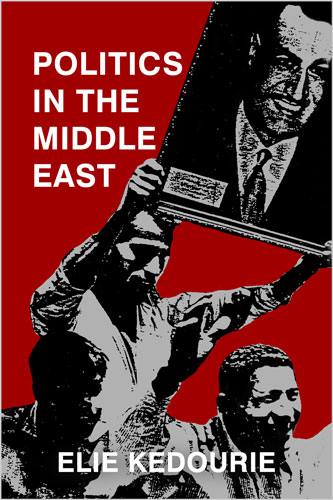
📘 این بررسی تازه و معتبر که توسط یکی از متخصصان برجسته خاورمیانه نوشته شده است، تحلیل لازم برای پاسخ دادن به این پرسشها و مسائل مرتبط را ارائه میدهد.
🏛️ الی کدوری در این کتاب دلایل ماندگاری حکومتهای نظامی در منطقه را بررسی میکند و توضیح میدهد که حضور فراگیر سیاستهای ایدئولوژیک، چه در قالب ملیگرایی و چه در شکل بنیادگرایی، چه پیامدهایی برای آینده خاورمیانه خواهد داشت.
🔍 کتاب سیاست در خاورمیانه تصویری روشن از تحولات سیاسی جاری و همچنین رویدادهایی ارائه میدهد که احتمالا در آینده این بخش مهم از جهان رخ خواهند داد.
📖 فهرست مطالب
فصل ۱. میراث
فصل ۲. جهان مدرن؛ تهدید و تنگنا
فصل ۳. قانوناساسیگرایی و شکست آن؛ I
فصل ۴. ترکیه پس از سال ۱۹۱۹؛ شکست قانوناساسیگرایی؟
فصل ۵. قانوناساسیگرایی و شکست آن؛ II
فصل ۶. پیروزی سیاست ایدئولوژیک
👤 درباره نویسنده
🎓 الی کدوری استاد بازنشسته علوم سیاسی در دانشگاه لندن و بنیانگذار فصلنامه Middle Eastern Studies بود.
📚 او کتابهای متعددی درباره خاورمیانه و اسلام نوشته است که از میان آنها میتوان به Islam in the Modern World و Towards a Modern Iran اشاره کرد.
The recent vanquishing of Iraq--achieved in great part with the aid of the West's "Star Wars"-type weaponry--illustrates compellingly the relationship between Islam and Western states that has prevailed over the ages. In the nineteenth century Middle Eastern leaders believed they could surmount the challenge posed by the European great powers by adopting their weapons and technology (note Saddam Hussein's ongoing attempts to manufacture nuclear missles), their forms of military administration, and, later, their representative forms of government. Why, then, have ideological politics triumphed in this turbulent region, while attempts to create constitutional societies have, for the most part, failed?
This new and authoritative account by a leading expert on the Middle East offers the analysis necessary to answer these and other questions. Elie Kedourie here examines the reasons military regimes have persisted in the region, and what the pervasive presence of ideological politics--whether nationalistic or fundamentalist--means for the future. Politics in the Middle East offers a clear picture of what is happening politically--and what is likely to happen--in this vital part of the world.
Table of Contents
1. The Legacy
2. The Modern World: Threat and Predicament
3. Constitutionalism and its Failure: I
4. Turkey after 1919: The Failure of Constitutionalism?
5. Constitutionalism and its Failure: II
6. The Triumph of Ideological Politics
About the Author
Elie Kedourie is Professor of Politics Emeritus at the University of London and founder of the quarterly Middle Eastern Studies. He has written numerous books on the Middle East and Islam, including Islam in the Modern World and Towards a Modern Iran.