ثبت نام / ورود
0
ثبت نام / ورود
0
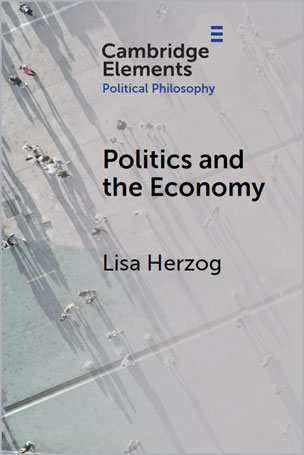
Lisa Herzog
#Politics
#Economy
📘 در جوامع امروز، مسائل سیاسی و اقتصادی بهطور فزایندهای درهمتنیده شدهاند و فلسفهٔ سیاسی نیز بیش از پیش به مسائل اقتصادی توجه نشان داده است. این «Element» مجموعهای از پرسشهای کلیدی فلسفهٔ اقتصاد را معرفی میکند: چگونه باید نسبت میان قدرت سیاسی و قدرت اقتصادی را فهم کرد؟ آیا میتوان بازارها را «مهار» کرد؟ چه ارزشهایی در دل اقتصاد نهفتهاند و این ارزشها چگونه با ارزشهای سیاسی مرتبط میشوند؟ این اثر با بررسی استدلالهای سه رویکرد نظری—رویکردهای لیبرال برابریخواه، نئورپوبلیکانیسم، و نظریهٔ انتقادی یا اندیشهٔ سوسیالیستی—به این پرسشها پاسخ میدهد و ضمن تبیین پیشفرضهای متفاوت آنها، نقاط اشتراکشان را نیز روشن میسازد. برای روشنسازی این مباحث، تمرکز ویژهای بر آیندهٔ کار صورت میگیرد: چگونه میتوان کار را عادلانهتر، دموکراتیکتر و پایدارتر ساخت؟ در نتیجهگیری، پیامدهایی برای راهبردهای پژوهشی در فلسفهٔ اقتصاد مورد بررسی قرار میگیرد.
📑 فهرست مطالب
1. مقدمه
2. قدرت اقتصادی و سیاسی
3. کار میان سیاست و اقتصاد
4. نتیجهگیری
👤 درباره نویسنده
📚 لیزا هرتسوگ استاد فلسفهٔ سیاسی در دانشکدهٔ فلسفهٔ دانشگاه خرونینگن از سال ۲۰۱۹ است. از سال ۲۰۲۱ مدیر مرکز فلسفه، سیاست و اقتصاد بوده و از ژانویهٔ ۲۰۲۳ نیز بهعنوان رئیس دانشکدهٔ فلسفه فعالیت میکند. او دارای مدرک کارشناسی ارشد اقتصاد از دانشگاه لودویگ ماکسیمیلیان مونیخ (LMU Munich) و همچنین درجهٔ M.St. (Master of Studies) است.
In today's societies, political and economic issues are closely intertwined, and political philosophy has turned more and more to economic issues. This Element introduces some key questions of economic philosophy: How to think about the relation between political and economic power? Can markets be 'tamed'? Which values are embedded in the economy and how do those relate to political values? It answers these questions by considering arguments from three theoretical perspectives – liberal egalitarian approaches, neorepublicanism, and critical theory or socialist thought – explaining their different background assumptions but also shared grounds. To illustrate these topics, it zooms in on the future of work: How could work be made more just, democratic, and sustainable? In the conclusion, some implications for research strategies in economic philosophy are explored.
Table of Contents
1 Introduction
2 Economic and Political Power
3 Work between Politics and Economics
4 Conclusion
About the Author
Lisa Herzog is professor of political philosophy the Faculty of Philosophy of the University of Groningen since 2019; since 2021 she is the Director of the Center for Philosophy, Politics and Economics, and since January 2023, Dean of the Faculty of Philosophy. She holds a master's in economics from LMU Munich, an M.St.