ثبت نام / ورود
0
ثبت نام / ورود
0
Knowledge Engineering for Enterprise & Agentic Systems
Rémy Fannader
#Ontological
#Prisms
#Engineering
#Agentic_Systems
#KEOPS
🔷 منشورهای هستیشناختی
🤖 گسترش Generative AI محدودیتهای رویکردهای کاملاً عصبی و مزیتهای ترکیب آنها با همتایان نمادین، که هستیشناسیها نمونه شاخصشون هستن، رو پررنگتر کرده. در حالی که Knowledge Graphها بین ایجنتهایی که با زبان، دانش و Orchestration سروکار دارن، به ابزار همهکاره تبدیل شدهاند، هنوز توافق چندانی درباره منشأها و نقشهای هستیشناسیها، یا بهعبارت دیگه دانش، وجود نداره.
📘 این کتاب مفهوم منشورهای هستیشناختی رو معرفی میکنه؛ یک پارادایم تحولآفرین که هندسه دانش رو در قالب یک سهگانه باز میکنه: جهانهای مشاهدهشده یا واقعیتها، معناها یا مفهومها، و بازنماییهای مشترک یا دستهها.
🚀 این رویکرد سه پیشرفت مهم ایجاد میکنه
🔗 تعاملپذیری: منشورهای هستیشناختی با ایجاد یک تمایز اصولی و قابلاجرا بین ارتباط، یعنی زبان، و بازنمایی، یعنی دانش، یک Blueprint برای ساخت لایههای معنایی و مفهومی در بازنماییهای ناهمگون ارائه میدن.
🧩 سطحهای انتزاع: منشورهای هستیشناختی با استفاده از پارادایم سهبخشی خودشون، سردرگمی مربوط به انتزاع بین هستیشناسیهای سطح بالا یا بنیادی و هستیشناسیهای سطح پایین یا دامنهمحور رو باز میکنن. این رویکرد اجازه میده انتزاعهای هستیشناختی بهشکل روان و Declarative یکپارچه بشن، بدون اینکه سلسلهمراتبهای وراثتی سنگین و بدقواره تحمیل بشن.
⏳ زمانمندی: تمایز معرفتشناختی بین جهانها یا واقعیتها، نیتها یا مفهومها، و بازنماییها یا دستهها، در ترکیب با معناشناسی انتزاعی تفکیکشده، مدیریت دانش در طول زمان رو همزمان با فرایندهای مهندسی Concurrent ممکن میکنه؛ بدون توجه به همپوشانی دامنهها یا ناهماهنگی چرخههای عمر.
🔄 این پیشرفتها یکپارچهسازی روان مهندسی دانش بین سیستمهای ایجنتی و Enterprise رو ممکن میکنن: واقعیتها، دستهها و مفهومها در سیستمهای ایجنتی، که بهترتیب به داده، اطلاعات و دانش در سیستمهای Enterprise نگاشت میشن. این یکپارچهسازی دانشمحورِ قابلیتهای شناختی و سیستمی، مسیر رو برای یک رویکرد جامع به یادگیری جمعی باز میکنه؛ رویکردی که افراد، سازمانها و سیستمها رو به هم پیوند میده.
📚 کتاب در سه بخش سازماندهی شده: اصول، مبانی و معماری؛ عملکردهای شناختی شامل زبان، استدلال و قضاوت؛ و مهندسی سیستمها و دانش. بخش سوم متدولوژی KEOPS یا Knowledge Engineering with Ontological Prisms رو معرفی میکنه و همراه با اون، یک Kernel توسعهدادهشده با OWL/Prot... ارائه میشه.
🎓 این ساختار امکان مطالعههای متفاوت برای دانشجوهای تحصیلات تکمیلی، مهندسها و مشاورها رو فراهم میکنه و کمک میکنه درک جامعی از شناخت ایجنتی، مهندسی دانش و توسعه هستیشناسی، همینطور Business Intelligence و سیستمهای تصمیمگیری به دست بیاد.
📖 فهرست مطالب
بخش ۱
فصل ۱. رویکردهای فعلی و تغییر پارادایم
فصل ۲. قلمروهای هستیشناختی
فصل ۳. منشورهای هستیشناختی و تعاملپذیری
فصل ۴. منشورهای هستیشناختی و حکمرانی
بخش ۲
فصل ۵. هستیشناسیها و زبان
فصل ۶. استدلال با منشورهای هستیشناختی
فصل ۷. تصمیمگیری با منشورهای هستیشناختی
بخش ۳
فصل ۸. مهندسی سیستمهای دانشمحور
فصل ۹. مهندسی دانش
فصل ۱۰. هسته OWL در KEOPS
نتیجهگیری
ضمیمهها
ضمیمه ۱. خلاصه نمادگذاریها
ضمیمه ۲. سرواژهها و واژهنامه
ضمیمه ۳. کتابشناسی
👤 درباره نویسنده
👨💼 رمی فانادر یک متخصص IT با پیشزمینهای در هوش مصنوعی و اقتصاد است که بیش از ۳۵ سال تجربه مشاوره در حوزههای بانکداری، بیمه و مهندسی نرمافزار داره. او در پروژههای پژوهشی اتحادیه اروپا مشارکت داشته و چهار کتاب و بیش از دویست مقاله عمیق درباره مدلسازی سیستمها، معماری Enterprise، AI و مدیریت دانش منتشر کرده.
Ontological Prisms
The expansion of generative AI has highlighted the limitations of purely neural approaches and the benefits of coupling them with symbolic counterparts epitomized by ontologies. While knowledge graphs emerge as the jack of all trades among agents dealing with language, knowledge, and orchestration, there is little consensus on the sources and roles of ontologies, in other words, knowledge.
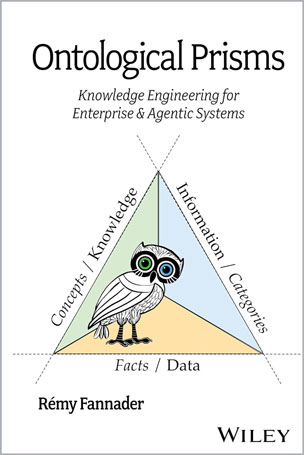
The book introduces ontological prisms, a game-changing paradigm that unfolds the geometry of knowledge into a triptych of observed worlds (facts), meanings (concepts), and shared representations (categories).
This approach entails three major breakthroughs with regard to:
These advances allow for a seamless integration of knowledge engineering between agentic and enterprise systems: facts, categories, and concepts for the former, mapped to data, information, and knowledge for the latter, respectively. That knowledge-driven integration of cognitive and systems capabilities paves the way to a holistic approach to collective learning weaving together individuals, organizations, and systems.
The book is organized into three parts: principles, foundations, and architecture; cognitive functions: language, reasoning, and judgment; and systems and knowledge engineering. The third part introduces the KEOPS (Knowledge Engineering with Ontological Prisms) methodology, accompanied by a kernel developed with OWL/Prot...
This organization allows for differentiated readings for graduates, engineers, and consultants, ensuring a comprehensive understanding of agentic cognition, knowledge engineering and ontology development, as well as business intelligence and decision-making systems.
Table of Contents
Part I
Chapter 1: Current Approaches and Paradigm Shift
Chapter 2: Ontological Realms
Chapter 3: Ontological Prisms and Interoperability
Chapter 4: Ontological Prisms and Governance
Part II
Chapter 5: Ontologies and Language
Chapter 6: Reasoning with Ontological Prisms
Chapter 7: Decision-making with Ontological Prisms
Part Ill
Chapter 8: Knowledge-based System Engineering
Chapter 9: The Engineering of Knowledge
Chapter 10: KEO PS OWL Kernel
Conclusion
Annexes
Annex 1: Summary of Notations
Annex 2: Acronyms and Glossary
Annex 3: Bibliography
Rémy Fannader is an IT professional with a background in artificial intelligence and economics, bringing over 35 years of consulting experience across banking, insurance, and software engineering. He has contributed to European Union research projects and published four books and more than two hundred in-depth articles on systems modeling, enterprise architecture, AI, and knowledge management.