ثبت نام / ورود
0
ثبت نام / ورود
0
Anticipating the Future
Judy Illes

#Neuroethics
#Neuroscience
#Neuroprognostication
#Neuroimaging
#Human_Rights
#Placebo_Therapy
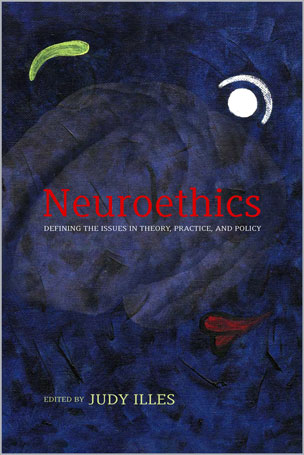
Pressing ethical issues are at the foreground of newfound knowledge of how the brain works, how the brain fails, and how information about its functions and failures are addressed, recorded and shared. In Neuroethics: Anticipating the Future, a distinguished group of contributors tackle current critical questions and anticipate the issues on the horizon.What new balances should be struck between diagnosis and prediction, or invasive and non-invasive interventions, given the rapid advances in neuroscience? Are new criteria needed for the clinical definition of death for those eligible for organ donation? What educational, social and medical opportunities will new neuroscience discoveries bring to the children of tomorrow? As data from emerging technologies are made available on public databases, what frameworks will maximize benefits while ensuring privacy of health information? How is the environment shaping humans, and humans shaping the environment? These challenging questions and other future-looking neuroethical concerns are discussed in depth.Written by eminent scholars from diverse disciplines - neurology and neuroscience, ethics, law, public health, and philosophy - this new volume on neuroethics sets out the conditions for active consideration. It is essential reading for the fields of neuroethics, neurosciences and psychology, and an invaluable resource for physicians in neurology and neurosurgery, psychiatry, paediatrics, and rehabilitation medicine, academics in humanities and law, and health policy makers.
Table of Contents
Part I Neurotechnology: Today and tomorrow
1 When emerging biomedical technologies converge or collide
2 Emerging neuroimaging technologies: Toward future personalized
3 Incidental findings: Current ethical debates and future challenges inadvanced neuroimaging
4 Vulnerability, youth, and homelessness: Ethical considerations on theroles of technology in the lives of adolescents and young adults
5 The neuroethical future of wearable and mobile health technology
6 Technologies of the extended mind: Defining the issues
7 Neuromodulation ethics: Preparing for brain- computer interface
8 Integrating ethics into neurotechnology research and development: TheUS National Institutes of Health BRAIN Initiative®
Part II Neuroethics at the frontline of healthcare
9 What do new neuroscience discoveries in children mean for their openfuture?
10 Neuroprognostication after severe brain injury in children: Sciencefiction or plausible reality?
11 No pain no gain: A neuroethical place for hypnosis in invasiveintervention
12 Placebo beyond controls: The neuroscience and ethics of navigating anew understanding of placebo therapy
13 Ethical challenges of modern psychiatric neurosurgery
14 At the crossroads of civic engagement and evidence- basedmedicine: Lessons learned from the chronic cerebrospinal venousinsufficiency experience
15 Ethical dilemmas in neurodegenerative disease: Respecting patients atthe twilight of agency
16 Anticipating a therapeutically elusive neurodegenerativecondition: Ethical considerations for the preclinical detection ofAlzheimer's disease
17 When bright linesconsciousness
18 Brain death and the definition of death
Part Ill Social, legal, and regulatory frameworks: Lessonsof the past guide policy for the future
19 Minors and incompetent adults: A tale of two populations
20 Behavioral and brain- based research on free moral agency: Threateningor empowering?
21 Cognitive enhancement of today may be the normal of tomorrow
22 Environmental neuroethics: Setting the foundations
23 First Nations and environmental neuroethics: Perspectives on brainhealth from a world of change
24 The neurobiology of addiction as a window on voluntary control ofbehavior and moral responsibility
25 Looking to the future: Clinical and policy implications of the braindisease model of addiction
26 Concussion, neuroethics, and sport: Policies of the past do not suffice forthe future
27 Security threat versus aggregated truths: Ethical issues in the use ofneuroscience and neurotechnology for national security
28 Communicating about the brain in the digital era
29 The impact of neuroscience in the law: How perceptions of control andresponsibility affect the definition of disability
30 Neuroethics and global mental health: Establishing a dialogue
Part IV Epilogue
31. Neuroethics and neurotechnology: lnstrumentalityand human rights
This book...helps to define the field, as well as demonstrating the importance and relevance of this area to neuroscience. ... overall this book is excellent and should be regarded as essential reading for neuroscientists who should educate themselves in this important and newly emerging field. — Psychological Medicine,Vol 37,
Illes's book is a very firm foundation for the specialty of neuroethics, and I recommend it very highly. — The Lancet Neurology, Vol 5
Dr. Judy Illes is a pioneer and a global leader in the field of neuroethics. As a neuroscientist turned neuroscientist-neuroethicist, she has made groundbreaking contributions to ethical, social, and policy challenges at the intersection of biomedical ethics and neuroscience. Her seminal contributions to tackling challenges in neuroimaging, neurodevelopment and aging, addiction and mental health, regenerative medicine, cross-cultural studies, and the commercialization of health care, have had a transformative impact in the way that research is designed and executed, and results and new knowledge shared with the public and decision-makers. She is President of the International Neuroethics Society, a member of the Standing Committee on Ethics for the Canadian Institutes of Health Research, and internationally recognized author, collaborator, and mentor.