ثبت نام / ورود
0
ثبت نام / ورود
0
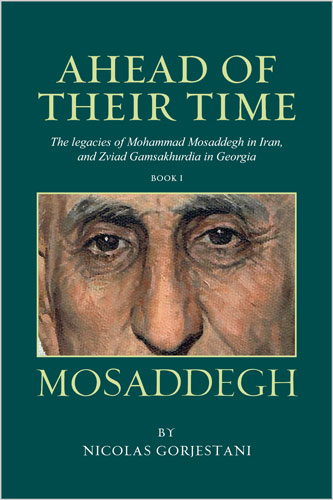
The Legacies of Mohammad Mosaddegh in Iran, and Zviad Gamaskhurdia in Georgia
(Ahead of Their Time Book 1)
Nicolas Gorjestani
#Mosaddegh
#Iran
#Oil
#British
#America
#CIA
#MI6
#Georgia
#governance
#economic
📖 مروری بر دو کتاب نیکلاس گورجستانی درباره محمد مصدق و زویاد گامساخوردیا
نیکلاس گورجستانی، مقام ارشد پیشین بانک جهانی با چهار دهه تجربه در توسعه اقتصادی کشورهای در حال گذار، در دو جلد جداگانه زندگی، راهبرد مقاومت، شیوه حکمرانی، اصلاحات و سرنگونی دو رهبر برجسته قرن بیستم — محمد مصدق در ایران و زویاد گامساخوردیا در گرجستان — را بررسی میکند. این آثار ترکیبی از خاطرات، تحلیل راهبردی، ارزیابی اقتصادی و مرور تاریخیاند که خواننده را به قلب رویدادهای تحولآفرین ایران دهه ۱۹۵۰ و گرجستان دهه ۱۹۹۰ میبرند.
شباهتهای این دو میهندوست چشمگیر است: پیشینه شخصی، چشمانداز، فلسفه حکمرانی، سرنوشت سیاسی و میراث آنها. هر دو با شجاعت و پایداری علیه نخبگان مستقر داخلی و در برابر حکومت خودکامه یا خودسر ایستادند، و برای ساخت یک دولت مدرن و دموکراتیک، اصلاحات سیاسی و اقتصادی پیشگامانهای را آغاز کردند. همچنین در برابر قدرتهای جهانی ایستادند تا به سلطه استعماری پایان دهند و حاکمیت ملی ایران و گرجستان را بازگردانند.
مصدق (کتاب ۱) در سالهای ۱۹۵۳-۱۹۵۱ بر سر ملیکردن صنعت نفت ایران با وینستون چرچیل، هری ترومن و دوایت آیزنهاور درگیر شد. گامساخوردیا (کتاب ۲) نیز در سالهای ۱۹۹۱-۱۹۹۰ برای استقلال از شوروی در برابر میخائیل گورباچف و جرج بوش پدر ایستاد. هر دو رهبر در کودتاهای شبهنظامی مشابه سرنگون شدند: مصدق با نخستین تغییر رژیم پس از جنگ جهانی دوم که توسط MI6 بریتانیا و CIA آمریکا سازماندهی شد، و گامساخوردیا با نخستین تغییر رژیم در فضای پساشوروی که ارتش شوروی از آن پشتیبانی کرد.
این کتابها حاصل دههها مطالعه و پژوهش با بهرهگیری از منابع اولیه متعدد است و علاوه بر تجربه حرفهای نویسنده، بر شناخت عمیق او از ایران و گرجستان تکیه دارد. گورجستانی که در ایران و با تبار گرجی به دنیا آمده، پیوندهای فرهنگی خود با هر دو کشور را حفظ کرده و بیش از نیم قرن تحولات سیاسی-اقتصادی آنها را دنبال کرده است. او اکنون در واشینگتن دیسی زندگی میکند.
فهرست:
بخش اول: خاستگاهها
فصل 1: شکلگیری یک میهنپرست ایرانی
فصل 2: الهامات
فصل 3: چشمانداز و قطبنما برای حکمرانی خوب
فصل 4: «سلاحها»
بخش دوم: حکمرانی
فصل 5: زمینه سیاسی برای حکمرانی
فصل 6: اصلاحات و سیاستهای مصدق
فصل 7: ملیکردن صنعت نفت ایران
بخش سوم: سرنوشت
فصل 8: کودتا در دو پرده و پیامدهای آن
فصل 9: آسیبشناسیها و کاستیهای ادعایی
بخش چهارم: میراث
فصل 10: «راه مصدق»
فصل 11: فرصتهای از دسترفته
فصل 12: درسها
درباره نویسنده:
نیکولاس گرجستانی اقتصاددان ایرانی-آمریکایی و مقام ارشد پیشین بانک جهانی است که در زمینه مدیریت دانش و دانش بومی فعالیتهای مهمی داشته است.
او بهعنوان مدیر ارشد دانش و یادگیری منطقه آفریقا خدمت کرده و اکنون مشاور جهانی و استاد مدعو است.
گرجستانی نویسنده مجموعه دو جلدی پیش از زمان خود درباره میراث محمد مصدق در ایران و ژوید گامساخوردیا در گرجستان است.
آثار او ترکیبی از تحلیل استراتژیک، مرور تاریخی و دیدگاههای شخصی درباره تحولات سیاسی است.
Iran's Mohammad Mosaddegh and Georgia's Zviad Gamsakhurdia were two of the most consequential national leaders of the twentieth century. Nicolas Gorjestani examines, in two separate volumes, each leader's life story, resistance strategy, governance, reform record, and overthrow. The two books combine insightful memoir, strategic analysis, economic assessment, and historical review to weave a compelling narrative that gives the reader a front-row seat to the transformational events that unfolded in Iran in the 1950s and Georgia in the 1990s.
The similarities between these two patriots are remarkable: their personal background, vision, governing philosophy, political destiny, and legacy. With courage, passion, and tenacity, they took on domestic establishment elites to fight against authoritarian or arbitrary rule. Both leaders shared a vision of a modern, democratic state, and, to that end, undertook pathbreaking political and socio-economic reforms. They also challenged the world powers to end colonial domination of Iran and Georgia and to reestablish national sovereignty.
Mosaddegh (Book 1) locked horns with Winston Churchill, Harry Truman, and Dwight Eisenhower in 1951-1953 over the nationalization of Iran's oil industry, while Gamsakhurdia (Book 2) stood up to Mikhail Gorbachev and George H. W. Bush in 1990-1991 over independence from the Soviet Union. Their governance was cut short as both leaders were overthrown in similar paramilitary coups. Mosaddegh was toppled in the first post-WWII regime change organized and supported by the British MI6 and American CIA; Gamsakhurdia was deposed in the first regime change in the former Soviet space supported by the Soviet military.
Nicolas Gorjestani is a former senior official of the World Bank with economic development experience spanning more than four decades in countries undergoing transformational change. The result of decades-long study and research utilizing multiple primary sources, these two books provide a unique perspective based not only on the author's professional experience but also on his intimate knowledge of both Iran and Georgia. Born in Iran of Georgian heritage, Gorjestani has maintained cultural links with both countries, and followed their political economy for more than half a century. He lives in Washington, D.C.
“Mosaddegh is thorough, well-documented, thoughtful, and fresh.… It deserves to be read by all who are interested in Iranian history, Middle Eastern oil, and democratic and anti-colonialist movements in the Third World.” --―Homa Katouzian, University of Oxford
Table of Contents
PART I: ORIGINS
Chapter 1: The Making of an Iranian Patriot
I. The Young Mostofi
II. The First Iranian Doctor of Law
III. Servant of His Country
IV. Profile in Sensitivity, Frailty, Courage, Idealism, and Compassion
Chapter 2: Inspirations
I. Governance Lessons From Antiquity to the Middle Ages
II. Morality and Ethics Through the Ages
III. Cosmopolitan Culture
IV. National Re-Awakening
A. Legacy of 19th Century Reformers
B. Social Pathologies
V. Traditional Values Meet Modernity
Chapter 3: Vision and Compass for Good Governance
I. National Sovereignty
II. Liberty
III. Constitutionalism and the Rule of Law
IV. Economy, Modernization, and Development
V. Religion and State
VI. Role of Women
VII. Doctrine of Movazeneh-e Manfi (Passive Balance)
VIII. Attitude Towards Foreigners
IX. Integrity, Propriety, and Accountability in Governance
X. Reason, Asceticism, and ‘Walking the Talk’
Chapter 4: ‘Weapons’
I. Strategies and ‘Weapons’ of Political Struggle
II. Parties and Political Formations of the National/Popular Front
III. Parties and Political Formations Opposed to the National/Popular Front
PART II: GOVERNANCE
Chapter 5: Political Context for Governance
I. Mosaddegh’s First Government
II. Mosaddegh’s Second Government—Act One
III. Mosaddegh’s Second Government—Act Two
IV. Mosaddegh’s Second Government—Final Act
V. British Role in Destabilizing Mosaddegh’s Government
VI. America’s Involvement in Iranian Politics
VII. Soviet Interference in Iran’s Internal Affairs
Chapter 6: Mosaddegh’s Reforms and Policies
I. Mosaddegh’s Iranian ‘Social Democracy’
II. Political Reforms
III. Economic Reforms
A. ‘Economy Without Oil’
B. Other Development Initiatives
IV. Social Welfare Reforms
V. Assessment
Chapter 7: Nationalization of Iran’s Oil Industry
I. Background
II. Mosaddegh at the UN Security Council and the International Court of Justice
III. Negotiations With the World Bank
IV. Churchill-Truman/Eisenhower Proposals
V. Other Missed Openings
VI. Assessment of Mosaddegh’s Performance
PART III: DESTINY
Chapter 8: The Coup in Two Acts and Its Aftermath
I. What Really Happened?
II. How to Oust Mosaddegh: Let Me Count the Ways
A. Britain’s Role in the Coup
B. America’s Role in the Coup
C. The British-American Political Chess/Poker Game in Iran
D. Role of Indigenous Elements
E. Role of the Foreign Media
III. ‘The Shah Has Fled, Long Live the Republic’
IV. “Luck Be a Lady, Tonight . . .”
V. “Alo, Alo, . . . Inja Tehran . . .”
A. “We’re in . . . , We’re in . . . , What do we do now?”
B. “I owe my throne to . . . and to you!”
C. Soviets, Tudeh, and the Coup
VI. A Popular Uprising—Really?!
VII. Life Over a Quarter-Century After the Coup
A. Putschists Are Rewarded, Handsomely
B. Shah and Zahedi in Search of Legitimacy
C. The Consortium Takes Over Iran’s Oil
D. A ‘White Revolution’
E. Return of Pseudo-Modernism and Arbitrary Rule
Chapter 9: Pathologies and Alleged Shortcomings
I. Pathology of the National/Popular Movement
II. Alleged ‘Shortcomings’
A. Alleged ‘Authoritarianism’
B. ‘Mismanaged’ the Economy
C. Allowed ‘public insecurity and chaos’
D. Was Too Much of an Idealist
E. ‘Allowed’ Family and Friends to Enrich Themselves
PART IV: LEGACY
Chapter 10: ‘Mosaddegh’s Way’
Chapter 11: Missed Opportunities
I. Opportunities Mosaddegh May Have Missed
II. Opportunities Western Governments May Have Missed
Chapter 12: Lessons
I. Lessons for Developing Country Leaders
II. Lessons for Western Powers
About the Author
Nicolas Gorjestani is an Iranian-American economist and former senior official at the World Bank, where he led initiatives on knowledge management and indigenous knowledge.
He has served as Chief Knowledge & Learning Officer for Africa and now works as a global consultant and visiting professor.
Gorjestani is the author of the two-volume series Ahead of Their Time, exploring the legacies of Mohammad Mosaddegh in Iran and Zviad Gamsakhurdia in Georgia.
His work blends strategic analysis, historical review, and personal insights on political transformation.