ثبت نام / ورود
0
ثبت نام / ورود
0
Richard A. Johnson
#Probability
#Statistics
#physic
#mathematics
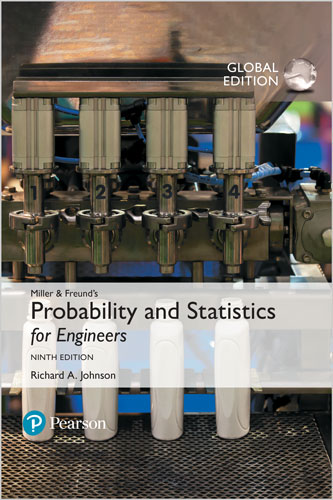
احتمال و آمار برای مهندسان (Miller & Freund’s Probability and Statistics for Engineers)
کتابی مقدماتی و کاربردمحور برای دورههای یک یا دو ترمی (در سطح کارشناسی دوم یا سوم) در زمینهی احتمال و آمار یا آمار کاربردی ویژهی دانشجویان مهندسی، علوم پایه و ریاضیات است.
این اثر با تمرکز بر کاربردهای مهندسی و علمی، سرشار از مثالها و تمرینهای متنوع بوده و به بررسی هم احتمال مقدماتی و هم مبانی آمار میپردازد. بخش قابلتوجهی از دادههای مورد استفاده در کتاب از تجربیات مشاورهای نویسنده و گفتوگو با دانشمندان و مهندسان در زمینهی کاربرد آمار در صنایع مختلف گردآوری شده است.
در فصلهای پایانی، کتاب بر طراحی آزمایشها، بهویژه طرحهای فاکتوری دو سطحی تأکید دارد.
ویراست نهم شامل مجموعهدادهها و مثالهای جدید است که کاربرد آمار در پژوهشهای علمی را نشان میدهد و دانشجویان را برای تبدیل شدن به مهندسان و دانشمندان واقعی آماده میکند.
ریچارد اِی. جانسون (Richard A. Johnson) — آمارشناس آمریکایی که به دلیل تبدیل نظریههای آماری به ابزارهای عملی برای مهندسان شناخته میشود. او استاد باسابقهی دانشگاه ویسکانسین-مدیسون بود و در رشتههای آمار و مهندسی صنایع تدریس میکرد. جانسون همزمان با فعالیت دانشگاهی، در صنایع تولیدی، الکترونیک و سیستمهای حساس به قابلیت اطمینان نیز مشاور آماری بود.
او نویسندهی چندین ویراست از کتاب احتمال و آمار برای مهندسان میلر و فروند و نیز همنویسندهی اثر مشهور تحلیل آماری چندمتغیرهی کاربردی (با دین دبلیو. ویکرن) است. تمرکز اصلی آثار او بر مدلسازی عدمقطعیت، تصمیمگیری دادهمحور و طراحی مطالعهها است.
جانسون در زمینههای رگرسیون و تحلیل واریانس (ANOVA)، بهبود کیفیت، قابلیت فرایند، قابلیت اطمینان و آزمایشهای فاکتوری تخصص دارد. کتابهای او بهدلیل دقت ریاضی بر پایهی حسابان، استفاده از دادههای واقعی و تمرکز بر کار با نرمافزارهای آماری، نسلهای متعددی از مهندسان را در یادگیری و بهکارگیری آمار شکل دادهاند.
For an introductory, one or two semester, or sophomore-junior level course in Probability and Statistics or Applied Statistics for engineering, physical science, and mathematics students.An Applications-Focused Introduction to Probability and Statistics Miller & Freund's Probability and Statistics for Engineers is rich in exercises and examples, and explores both elementary probability and basic statistics, with an emphasis on engineering and science applications. Much of the data has been collected from the author's own consulting experience and from discussions with scientists and engineers about the use of statistics in their fields. In later chapters, the text emphasizes designed experiments, especially two-level factorial design. The Ninth Edition includes several new datasets and examples showing application of statistics in scientific investigations, familiarizing students with the latest methods, and readying them to become real-world engineers and scientists.
Table of Contents
1. Chapter 1 Introduction
2. Chapter 2 Organization and Description of Data
3. Chapter 3 Probability
4. Chapter 4 Probability Distributions
5. Chapter 5 Probability Densities
6. Chapter 6 Sampling Distributions
7. Chapter 7 Inferences Concerning a Mean
8. Chapter 8 Comparing Two Treatments
9. Chapter 9 Inferences Concerning Variances
10. Chapter 10 Inferences Concerning Proportions
11. Chapter 11 Regression Analysis
12. Chapter 12 Analysis of Variance
13. Chapter 13 Factorial Experimentation
14. Chapter 14 Nonparametric Tests
15. Chapter 15 The Statistical Content of Quality-Improvement Programs
16. Chapter 16 Application to Reliability and Life Testing
17. Appendix A Bibliography
18. Appendix B Statistical Tables
19. Appendix C Using the R Software Program
About the Author
Richard A. Johnson is an American statistician best known for translating statistical theory into practical tools for engineers. A longtime faculty member at the University of Wisconsin–Madison, he taught in statistics and industrial engineering while consulting across manufacturing, electronics, and reliability-intensive industries. Johnson is the author of multiple editions of Miller & Freund’s Probability & Statistics for Engineers and the coauthor (with Dean W. Wichern) of the widely used text Applied Multivariate Statistical Analysis. His work emphasizes clear modeling of uncertainty, data-driven decision making, and design of studies, with particular strengths in regression and ANOVA, quality improvement, process capability, reliability, and factorial experimentation. Johnson’s texts are known for their calculus-based rigor, real data sets, and software-oriented practice, which have shaped how generations of engineers learn and apply probability and statistics.