ثبت نام / ورود
0
ثبت نام / ورود
0
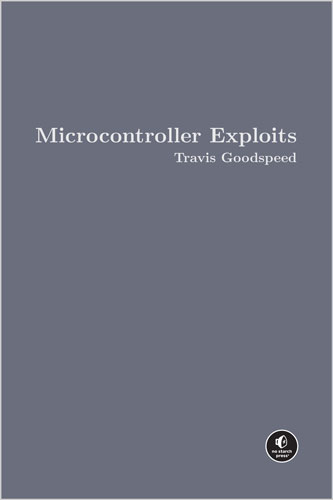
Travis Goodspeed
#Microcontroller
#STM32F1
#STM32F0
#DFU
#ICSP
#JTAG
#SWD
#CMOS
#Hardware
#Microchip
🧠 کتاب Microcontroller Exploits یک Dive عمیق در هک سختافزار پیشرفته است؛ با مثالهای دقیق از تکنیکهای واقعی و یک بررسی جامع از آسیبپذیریها.
🛠️ در این راهنمای پیشرفته برای Hardware Hacking، یاد میگیری چطور نرمافزار رو از کامپیوترهای تکچیپی بخونی؛ مخصوصاً وقتی طوری پیکربندی شدهاند که اجازه استخراج Firmware رو ندن.
📌 این کتاب طیف خیلی گستردهای از تکنیکهای هک Microchipها رو مستند میکنه؛ و قرار نیست اولین معرفی یک تازهکار به این حوزه باشه.
🔍 کار رو با بررسی تکنیکهای دقیق برای هک چیپهای واقعی شروع میکنی؛ مثلاً اینکه STM32F0 چطور اجازه میده بعد از هر Reset یک Word Dump بشه. میبینی STM32F1 چطور از طریق Exception Handling میتونه طی حدود یک ساعت، Firmware رو آرامآرام Leak کنه، و چطور Firmware در Texas Instruments MSP430 میتونه با یک Flash دوربین استخراج بشه.
🧪 برای هر Exploit، یاد میگیری چطور نتیجهها رو بازتولید کنی و یک چیپ رو در لَب خودت Dump کنی.
📚 در نیمه دوم کتاب، یک بررسی دایرهالمعارفی از آسیبپذیریها پیدا میکنی؛ دستهبندیشده، Index شده و Cross-Reference شده برای استفاده در تمرین امنیت سختافزار.
📖 فهرست مطالب
فصل ۱. مبانی استخراج حافظه
فصل ۲. خروج DFU در STM32F217
فصل ۳. Null Pointer در MD380، DFU
فصل ۴. Call Stack در LPC1343
فصل ۵. Ledger Nano S، مقدار 0xF00DBABE
فصل ۶. NipPEr Is a buTt liCkeR
فصل ۷. Backdoorهای RF430
فصل ۸. مبانی JTAG و ICSP
فصل ۹. Gadgetهای nRF51 در ROM
فصل ۱۰. Word Leak در SWD مربوط به STM32F0
فصل ۱۱. پازل Interrupt در STM32F1
فصل ۱۲. ICSP و HID در PIC18F452
فصل ۱۳. مبانی Glitching
فصل ۱۴. MC13224، سادهترین Fault Injection
فصل ۱۵. Glitch بوتلودر LPC1114
فصل ۱۶. Glitch روی APPROTECT در nRF52
فصل ۱۷. Glitch روی FPB در STM32
فصل ۱۸. Decapsulation چیپ
فصل ۱۹. Unlock فرابنفش PIC
فصل ۲۰. حمله Paparazzi روی MSP430
فصل ۲۱. میانپرده CMOS VLSI
فصل ۲۲. عکاسی از Mask ROM
فصل ۲۳. Game Boy از طریق ROM
فصل ۲۴. Diffusion ROM در Clipper Chip
فصل ۲۵. Nintendo CIC و Cloneها
فصل A. آسیبپذیریهای بیشتر Bootloader
فصل B. حملههای بیشتر Debugger
فصل C. Privilege Escalationهای بیشتر
فصل D. حملههای Invasive بیشتر
فصل E. Fault Injectionهای بیشتر
فصل F. Test Modeهای بیشتر
فصل G. عکاسیهای بیشتر از ROM
فصل H. حملههای دستهبندینشده
فصل I. چیپهای دیگر
💬 نظرها
💭 «این کتاب هم جذابه و هم عمیقاً نگرانکننده. از سمت جذابیت، یک مجموعه پر و پیمان از اطلاعات عالیه... از سمت نگرانکننده، همه اون اطلاعات عالی و بسیار کاربردی حالا در یک جا جمع شده و توسط یک استاد ارائه شده.»
—ریچارد آستین، IEEE-Cipher
💭 «فهم دامهای امنیت Microcontrollerها سخته، چون تعداد زیادی قطعه دانش ظریف و مبهم وجود داره که همه باید با هم کار کنن. قبل از این کتاب، فقط یک راه مؤثر برای یادگیری وجود داشت: صحبت کردن با یک متخصص کاربلد مثل تراویس. این کتاب یک بررسی گسترده و عمیق از این مهارت ارائه میده، اما مهمتر از همه، تعداد زیادی از نکتههای حیاتی رو در یک جا و زیر یک جلد جمع میکنه. مطمئنم این کتاب پایه خیلی از کلاسهایی میشه که مسیر شغلی آدمها رو عوض میکنن. امیدوارم یک روز آنقدر خوب بشم که بتونم یکی از اون کلاسها رو تدریس کنم!»
—سرگئی براتوس، استاد برجسته Cyber Security، Technology و Society در Dartmouth College
💭 «ما کتابهای زیادی نداریم که روی چنین موضوعی تمرکز کرده باشن، اما هر روز با مسئلههای امنیتی مرتبط با سختافزار و مخصوصاً Microcontrollerها روبهرو میشیم. کتاب تراویس برای فهم مسئلههای امنیتی و اینکه مهاجمها چطور اونها رو Exploit میکنن، یک منبع بنیادیه. این کتاب برای هر تیم امنیت محصولی که درگیر امنیت Deviceهاست، باید خوانده بشه.»
—الکس ماتروسوف، مدیرعامل و بنیانگذار Binarly
💭 «این کتاب یک مجموعه الهامبخش و مدتها موردانتظار از آسیبپذیریها و Exploitهای امنیت Microcontrollerها ارائه میده؛ آن هم توسط خود تراویس. همه مثالها یک مرجع عالی از Attack Vectorهایی هستن که اغلب تا قبل از اثبات خلافشون، با برچسبهایی مثل “خارج از Scope” یا “هیچکس چنین کاری نمیکنه” کنار گذاشته میشدن. این کتاب خیلی دستبهکاره و برای هر کسی که به امنیت سختافزار علاقه داره، یک مطالعه عالیه. واقعاً امیدوارم این کتاب بین سازندههای چیپ و مخصوصاً تیمهایی که معماریهای امنیتی نسل بعدی رو طراحی میکنن هم مخاطب خودش رو پیدا کنه.»
—دکتر یوهانس اوبرمایر، مهندس و پژوهشگر امنیت
👤 درباره نویسنده
👨💻 تراویس گوداسپید یک Reverse Engineer سیستمهای Embedded اهل تنسی است؛ جایی که با یک Studebaker رانندگی میکنه و Exploitهای استخراج حافظه برای Microcontrollerها رو جمعآوری میکنه. پروژههای اخیر او شامل یک Function Recognizer برای Firmwareهای Thumb2، یک Exploit تازه از نوع Memory Corruption برای یک Smart Card متعلق به دهه ۹۰، و یک ابزار CAD برای استخراج Bitها از عکسهای Mask ROM بوده.
Microcontroller Exploits is a deep dive into advanced hardware hacking with detailed examples of real-world techniques and a comprehensive survey of vulnerabilities.
In this advanced guide to hardware hacking, you'll learn how to read the software out of single chip computers, especially when they are configured not to allow the firmware to be extracted.
This book documents a very wide variety of microchip hacking techniques; it's not a beginner's first introduction.
You'll start off by exploring detailed techniques for hacking real-world chips, such as how the STM32F0 allows for one word to be dumped after every reset. You'll see how the STM32F1’s exception handling can slowly leak the firmware out over an hour, and how the Texas Instruments MSP430 firmware can be extracted by a camera flash.
For each exploit, you'll learn how to reproduce the results, dumping a chip in your own lab.
Table of Contents
Chapter 1. Basics of Memory Extraction
Chapter 2. STM32F217 DFU Exit
Chapter 3. MD380 Null Pointer, DFU
Chapter 4. LPC1343 Call Stack
Chapter 5. Ledger Nano S, 0xF00DBABE
Chapter 6. NipPEr Is a buTt liCkeR
Chapter 7. RF430 Backdoors
Chapter 8. Basics of JTAG and ICSP
Chapter 9. nRF51 Gadgets in ROM
Chapter 10. STM32F0 SWD Word Leak
Chapter 11. STM32F1 Interrupt Jigsaw
Chapter 12. PIC18F452 ICSP and HID
Chapter 13. Basics of Glitching
Chapter 14. MC13224, the Simplest Fault Injection
Chapter 15. LPC1114 Bootloader Glitch
Chapter 16. nRF52 APPROTECT Glitch
Chapter 17. STM32 FPB Glitch
Chapter 18. Chip Decapsulation
Chapter 19. PIC Ultraviolet Unlock
Chapter 20. MSP430 Paparazzi Attack
Chapter 21. CMOS VLSI Interlude
Chapter 22. Mask ROM Photography
Chapter 23. Game Boy Via ROM
Chapter 24. Clipper Chip Diffusion ROM
Chapter 25. Nintendo CIC and Clones
Chapter A. More Bootloader Vulns
Chapter B. More Debugger Attacks
Chapter C. More Privilege Escalation
Chapter D. More Invasive Attacks
Chapter E. More Fault Injections
Chapter F. More Test Modes
Chapter G. More ROM Photography
Chapter H. Unsorted Attacks
Chapter I. Other Chips
Review
"This is both a fascinating and profoundly disturbing book. On the fascinating side, it is a cornucopia of great information . . . On the disturbing side, all that great and profoundly useful information is now gathered in one place and presented by a master."
—Richard Austin, IEEE-Cipher (Read More)
"Understanding the pitfalls of microcontroller security is hard, because there are many exquisite and obscure bits of knowledge that must all work together. Before this book, there was only one effective way to learn: talk to a master practitioner like Travis. This book gives a broad and deep survey of the craft, but most importantly it gets the many critical bits in one place, under one cover. I am sure it will become a foundation of many career-changing classes. One day I hope to get good enough to teach one!"
—Sergey Bratus, Distinguished Professor in Cyber Security, Technology, and Society, Dartmouth College
"We don't have many books focused on such a topic, but face security problems tied to hardware and specifically to microcontrollers every day. Travis's book is foundational to understanding the security problems and how the attackers are going to exploit them. This book is a must-read for every product security team involved in device security."
— Alex Matrosov, CEO and Founder of Binarly
"The book presents an inspiring and much-anticipated collection of microcontroller security vulnerabilities and exploits - presented by Travis himself. All the examples serve as an excellent reference of attack vectors that had often been excluded as being "out-of-scope" and "nobody would do that" until proven otherwise. This book is very hands-on and a great read for everyone interested in hardware security. I dearly hope that this book will also find its audience amongst chip vendors and especially their teams designing the next generation security architectures."
—Dr. Johannes Obermaier, security engineer and researcher
About the Author
Travis Goodspeed is an embedded systems reverse engineer from Tennessee, where he drives a Studebaker and collects memory extraction exploits for microcontrollers. His recent projects include a function recognizer for Thumb2 firmware, a fresh memory corruption exploit for a 90's smart card, and a CAD tool for extracting bits from mask ROM photographs.