ثبت نام / ورود
0
ثبت نام / ورود
0
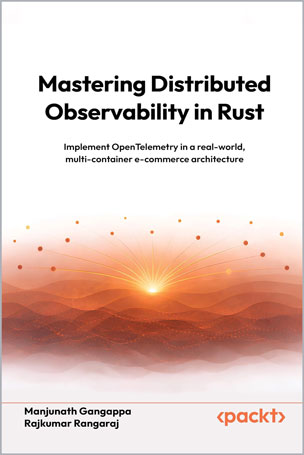
Implement OpenTelemetry in a real-world, multi-container e-commerce architecture
Manjunath Gangappa, Rajkumar Rangaraj
#Rust
#OpenTelemetry
#E-commerce_architecture
#RED
#USE
#KPIs
🔍 یاد بگیر چطور Observability توزیعشده رو در Rust با OpenTelemetry طراحی، پیادهسازی و مقیاسپذیر کنی؛ با مثالهای عملی برای Tracing، Logging و Metrics.
✨ ویژگیهای کلیدی
🧩 Observability انتهابهانتها رو در Rust با استفاده از APIهای OpenTelemetry و OpenTelemetry Collector پیادهسازی میکنی
🔗 Logها، Traceها و Metricها رو در اپلیکیشنهای Async و Multithreaded در Rust به هم مرتبط میکنی
🚀 یک Microservice قابلمانیتور با Rust، Actix، Redis و Prometheus میسازی و دیپلوی میکنی
📊 Dashboardها، Alertها و نمای Traceها رو در Grafana با استفاده از دادههای واقعی Telemetry پیکربندی میکنی
📘 توضیح کتاب
🦀 با این راهنمای عملی درباره Observability با OpenTelemetry، مهارتهای لازم برای ساخت، مانیتور و دیباگ سیستمهای توزیعشده در Rust رو به دست میاری. با افزایش استفاده از Rust در سرویسهای Backend، دولوپرها با مستندات پراکنده و ابزارهای محدود برای Telemetry روبهرو هستن. این کتاب این خلأ رو پر میکنه و یک راهکار یکپارچه و انتهابهانتها برای پیادهسازی Observability توزیعشده در سیستمهای مدرن Rust ارائه میده.
🧠 ابتدا مبانی Observability و مدل Ownership در Rust رو بررسی میکنی و بعد یاد میگیری چطور Logها، Metricها و Traceها رو جمعآوری، Export و Correlate کنی. با استفاده از Crateهای OpenTelemetry اپلیکیشنها رو Instrument میکنی و اونها رو به اکوسیستم tracing متصل میکنی. همینطور یاد میگیری OpenTelemetry Collector رو دیپلوی کنی، اون رو با Prometheus، Grafana و Jaeger یکپارچه کنی و با چالشهایی مثل Sampling، Context Propagation و Async Tracing کنار بیای.
👨💻 این کتاب توسط دو مهندس باتجربه نوشته شده که در مجموع بیش از ۳۵ سال تجربه در سیستمهای بزرگمقیاس و رهبری پروژههای Open Source حوزه Observability دارن. کتاب بین تئوری و پیادهسازیهای واقعی تعادل ایجاد میکنه. از دیباگ Bottleneckهای Async گرفته تا پیکربندی پایپلاینهای Telemetry با هزینه بهینه، در پایان اعتمادبهنفس لازم برای اجرای سیستمهای Rust قابلاعتماد و Observable در مقیاس بالا رو پیدا میکنی.
🎯 چیزهایی که یاد میگیری
🧠 سه ستون اصلی Observability در Rust رو درک میکنی
📝 Tracing و Logging رو با استفاده از Tokio و Crateهای OpenTelemetry پیادهسازی میکنی
📤 Telemetry رو به Backendهایی مثل Prometheus، Jaeger و Grafana Export میکنی
⚙️ با OpenTelemetry Collector پایپلاینهای Telemetry رو مدیریت میکنی
🔗 Metricها، Logها و Traceها رو برای دیباگ سریعتر به هم مرتبط میکنی
🔐 Structured Logging، Redaction و Context Propagation رو پیادهسازی میکنی
💰 هزینه Telemetry رو با استراتژیهای Sampling بهینه میکنی
🚀 یک Microservice با Rust میسازی و دیپلوی میکنی که از ابتدا با رویکرد Observability-First طراحی شده
👤 این کتاب برای چه کسانیه؟
🦀 این کتاب برای دولوپرهای Rust که سیستمهای Backend میسازن، DevOps Engineerها و SREهایی نوشته شده که Rust رو در محیط پروداکشن استفاده میکنن.
📌 این کتاب بهطور خاص برای افرادی مناسبه که تجربه توسعه با Rust دارن و میخوان Observability انتهابهانتها رو با استفاده از OpenTelemetry و ابزارهایی مثل Grafana، Prometheus و Jaeger پیادهسازی کنن.
📖 فهرست مطالب
پارت ۱. مبانی
فصل ۱. مقدمهای بر Observability
فصل ۲. خواندن حافظه Rust از روی Traceها
فصل ۳. سیستم E-Commerce با OpenTel
پارت ۲. Instrumentation
فصل ۴. Instrument کردن مسیر Request
فصل ۵. Instrumentation لایه داده
فصل ۶. Metricهایی که اهمیت دارن. RED + USE + KPIها
فصل ۷. استراتژی Logging بدون گرفتار شدن در Log Hell
پارت ۳. Observability پیشرفته
فصل ۸. ساخت نماهای Business Intelligence از Telemetry
فصل ۹. پیدا کردن Bottleneckها با Flamegraph
فصل ۱۰. Bottleneckهای Async و اشباع Runtime
پارت ۴. مسئلههای دنیای واقعی
فصل ۱۱. Bottleneckهای دیتابیس
فصل ۱۲. دیباگ Incidentهای پروداکشن
فصل ۱۳. شناسایی حملهها در Traceها
پارت ۵. Observability تقویتشده با AI
فصل ۱۴. Observability برای سرویسهای تقویتشده با AI
فصل ۱۵. دسترسی به مزایای اختصاصی
👤 درباره نویسندگان
👨💻 مانجوناث گانگاپا مدیر مهندسی نرمافزار در بخش R&D شرکت Mastercard است و بیش از ۱۹ سال تجربه در نرمافزارهای Enterprise داره. او بیش از شش سال تجربه عملی توسعه با Rust داره و در کنار اون سابقه گستردهای در اکوسیستم Java، توسعه UI با JavaScript، طراحی دیتابیس و معماری سیستمهای بزرگمقیاس داره.
💳 در Mastercard، او توسعه پلتفرمهای پرداخت برونمرزی مبتنی بر Blockchain رو هدایت میکنه و تجربه فنی عمیق خودش رو با رهبری عملی ترکیب کرده. مانجوناث که Observability رو در سیستمهای مالی Mission-Critical پیادهسازی کرده، دید مستقیمی نسبت به اهمیت Telemetry در Tracing، Metrics و Logging برای تضمین Reliability، Security و Trust در سیستمهای مدرن FinTech داره.
👨💻 راجکومار رانگاراج Principal Software Engineer در Microsoft است و ۱۹ سال تجربه در طراحی و ساخت سیستمهای توزیعشده بزرگمقیاس و پلتفرمهای توسعه داره.
🌐 او یکی از Maintainerها و Contributorهای باسابقه پروژه OpenTelemetry است و نقش فعالی در شکل دادن آینده Observability در صنعت داره. فعالیتهای او شامل تعریف استراتژیهای Instrumentation بینزبانی، معماری پایپلاینهای Telemetry و گسترش استانداردهای Open در مقیاس بزرگ میشه.
📚 راجکومار استراتژیهای Migration و مشخصات فنی مختلفی نوشته که به سازمانها کمک میکنن از روشهای قدیمی Monitoring به راهکارهای مدرن و مبتنی بر استاندارد مهاجرت کنن. ترکیب تجربه او در رهبری Open Source و سیستمهای Enterprise بزرگمقیاس باعث شده هم بهعنوان متخصص عملی و هم بهعنوان معمار نسل بعدی Observability شناخته بشه.
Learn to design, implement, and scale distributed observability in Rust using OpenTelemetry, with practical examples for tracing, logging, and metrics.
Gain the skills to build, monitor, and debug distributed systems in Rust with this hands-on guide to observability using OpenTelemetry. As Rust adoption grows in backend services, developers face fragmented documentation and limited tooling for telemetry. This book fills that gap by presenting a unified, end-to-end solution to implement distributed observability in modern Rust systems.
You’ll explore the foundations of observability and Rust’s ownership model before learning how to collect, export, and correlate logs, metrics, and traces. Discover how to instrument applications using OpenTelemetry crates and bridge them with the tracing ecosystem. Learn to deploy the OpenTelemetry Collector, integrate with Prometheus, Grafana, and Jaeger, and tackle challenges like sampling, context propagation, and async tracing.
Written by two seasoned engineers with over 35 years of combined experience in large-scale systems and open-source observability leadership, this book balances theory with real-world implementations. From debugging async bottlenecks to configuring cost-effective telemetry pipelines, you’ll finish with the confidence to operate reliable, observable Rust systems at scale.
Rust developers building backend systems, DevOps engineers, and SREs deploying Rust in production will benefit from this book. Ideal for readers experienced in Rust development who want to implement end-to-end observability using OpenTelemetry and tools like Grafana, Prometheus, and Jaeger.
Part 1: Foundation
Chapter 1: Introduction to Observability
Chapter 2: Reading Rust Memory From Traces
Chapter 3: The OpenTel E-Commerce System
Part 2: Instrumentation
Chapter 4: Instrumenting the Request Journey
Chapter 5: Data Layer Instrumentation
Chapter 6: Metrics That Matter (RED + USE + KPIs)
Chapter 7: Log Strategy Without Log Hell
Part 3: Advanced Observability
Chapter 8: Business Intelligence Views From Telemetry
Chapter 9: Finding Bottlenecks with Flamegraphs
Chapter 10: Async Bottlenecks and Runtime Saturation
Part 4: Real-World Problems
Chapter 11: Database Bottlenecks
Chapter 12: Debugging Production Incidents
Chapter 13: Detecting Attacks in Traces
Part 5: AI-Augmented Observability
Chapter 14: Observability for AI-Augmented Services
Chapter 15: Unlock Your Exclusive Benefits
Manjunath Gangappa is a Director of Software Engineering at Mastercard R&D, with over 19 years of experience in enterprise software. He brings more than six years of hands-on Rust development along with extensive experience in the Java ecosystem, UI development (JavaScript), database design, and large-scale system architecture. At Mastercard, he drives the development of cross-border payment platforms that incorporate blockchain technology, blending deep technical expertise with practical leadership. Having implemented observability in mission-critical financial systems, he offers firsthand insight into why telemetry spanning tracing, metrics, and logging is indispensable for ensuring reliability, security, and trust in modern FinTech.
Rajkumar Rangaraj is a Principal Software Engineer at Microsoft with 19 years of experience in designing and building large-scale distributed systems and developer platforms. As a long-standing maintainer and contributor in the OpenTelemetry project, he plays an active role in shaping the future of observability across the industry. His work spans defining cross-language instrumentation strategies, architecting telemetry pipelines, and driving the adoption of open standards at scale. Rajkumar has authored migration strategies and technical specifications that help organizations transition from legacy monitoring approaches to modern, standards-based solutions. His unique perspective—bridging open-source leadership with enterprise-scale experience—positions him as both a practitioner and an architect of the next generation of observability.