ثبت نام / ورود
0
ثبت نام / ورود
0
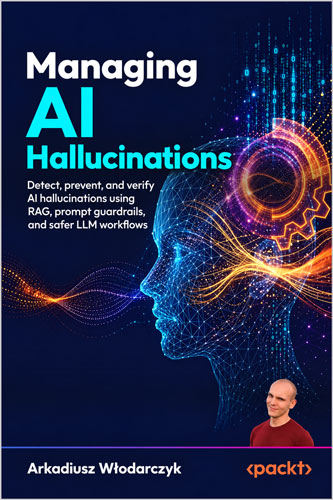
Detect, prevent, and verify AI hallucinations using RAG,prompt guardrails, and safer LLM workflows
Arkadiusz Włodarczyk
#AI
#AI_Hallucinations
#RAG
#LLM
🔍 وقتی AI با اطمینان اشتباه میکنه؛ تشخیص و مدیریت توهمهای هوش مصنوعی
🛡️ با یادگیری تشخیص توهمها، راستیآزمایی ادعاها، متکی کردن پاسخها به منابع با RAG، طراحی محدودیتهای حفاظتی پرامپت و پایش گردشکارهای LLM، ریسک خروجیهای غیرقابلاعتماد را پیش از رسیدن پاسخهای نادرست به کاربران یا تأثیرگذاری بر تصمیمها کاهش بده.
✨ ویژگیهای کلیدی
🔎 شناسایی اطلاعات ساختگی، استنادهای ضعیف، ادعاهای قدیمی و خروجیهای ناایمن AI.
🧩 استفاده از محدودیتهای حفاظتی پرامپت، RAG، روشهای اتکا به منابع مشابه NotebookLM و بررسیهای مبتنی بر مدل برای بهبود قابلیت اعتماد LLMها.
📊 بهکارگیری راستیآزمایی، ارجاع موارد مسئلهدار به سطح بالاتر بررسی، ثبت رویدادها و پایش برای استفاده ایمنتر از AI.
📘 توضیح کتاب
🤖 سیستمهای AI حتی وقتی با اطمینان صحبت میکنن، ممکنه اشتباه کنن. کتاب Managing AI Hallucinations رویکردی ساختاریافته و مبتنی بر کدنویسی برای شناسایی، پیشگیری و راستیآزمایی خروجیهای غیرقابلاعتماد LLM ارائه میده؛ پیش از اینکه خطاها به کاربران برسن یا بر تصمیمها اثر بذارن.
👨💻 این کتاب نوشته آرکادیوش وودارچیک، مدرس برنامهنویسی و سازنده دورههای آموزشی با بیش از ۲۰ سال تجربه است و مطالب را با نمونهکدهای واقعی و آموزشهای گامبهگام پیش میبره. یاد میگیری چرا مدلهای زبانی اطلاعات ساختگی، ارجاعهای نادرست و کدهایی تولید میکنن که با اطمینانی بیش از حد ارائه میشن.
⚙️ با استفاده از دستورهای سیستمی، محدودیتها و Few-Shot Prompting، میزان توهمها را کاهش میدی. همچنین با RAG، پایگاههای داده برداری و NotebookLM، پاسخها را به منابع قابلاعتماد متکی میکنی.
🔬 مقایسه خروجی مدلهای مختلف، بررسی منابع و Self-Consistency Prompting، روشهایی تکرارپذیر برای ارزیابی ادعاها در اختیارت میذارن. این روشها کمک میکنن اعتبار پاسخها را بهشکلی منظم بررسی کنی.
🛠️ فصلهای پایانی به Guardrailها، اعتبارسنجی خروجی، ثبت رویدادها و لایههای جایگزین هنگام شکست یا Fallback میپردازن. الزامات انطباق، خطرهای سوگیری و معیارهای ارجاع موارد به بررسی بیشتر هم برای استقرار مسئولانه مطرح میشن. کتاب با یک پروژه پایش مبتنی بر OpenTelemetry، Prometheus و Grafana به پایان میرسه.
🎯 در پایان، میتونی گردشکارهای AI را طوری طراحی و پایش کنی که خطاها را پیش از رسیدن به کاربران شناسایی کنن و برای مدیریت خروجیهای غیرقابلاعتماد، سازوکارهای مشخصی داشته باشن.
🎯 چیزهایی که یاد میگیری
🧠 توضیح اینکه چرا LLMها دچار توهم میشن و چه عواملی خروجیها را غیرقابلاعتماد میکنن.
🔎 شناسایی اطلاعات ساختگی و ارجاعهای نادرست پیش از انتشار و گسترش اونها.
🛡️ کاهش توهمها با استفاده از پرامپتها، محدودیتها و Guardrailها.
📚 متکی کردن پاسخها به منابع قابلاعتماد با RAG و پایگاههای داده برداری.
⚖️ راستیآزمایی ادعاها از طریق بررسی منابع و مقایسه مدلها برای ارزیابی دقت.
🏗️ ساخت سیستمهای AI قابلاعتماد با محدودیتهای حفاظتی، ثبت رویدادها و سازوکارهای Fallback.
📋 اجرای بررسیهای انطباق و آزمونهای سوگیری برای استقرار مسئولانه.
📡 پایش اپلیکیشنهای LLM در محیط Production با OpenTelemetry و Grafana.
👤 این کتاب برای چه کسانیه؟
👨💻 این کتاب برای دانشمندان داده، مهندسان AI، توسعهدهندگان، رهبران فنی، مدیران محصول، متخصصان انطباق و تیمهای کسبوکار نوشته شده که از LLMها در کدنویسی، تولید محتوا، پژوهش، تحلیل داده یا گردشکارهای پشتیبان تصمیمگیری استفاده میکنن.
🔍 اگر به روشهای عملی برای کاهش توهمهای AI، اعتبارسنجی خروجیها و توضیح روشن محدودیتهای هوش مصنوعی نیاز داری، مطالب این کتاب کاربردی خواهد بود.
🧩 تجربه پیشرفته برنامهنویسی لازم نیست؛ اما آشنایی با ابزارهای LLM، APIها، JSON یا کار با خط فرمان کمک میکنه استفاده بیشتری از مطالب ببری.
📖 فهرست مطالب
فصل ۱. درک توهمهای هوش مصنوعی
فصل ۲. پیشگیری از توهمها
فصل ۳. تشخیص و راستیآزمایی خروجیهای AI
فصل ۴. استقرار مسئولانه AI
👤 درباره نویسنده
👨💻 آرکادیوش وودارچیک، مدرس برنامهنویسی، توسعهدهنده و سازنده دورههای آموزشی آنلاین با بیش از ۲۰ سال تجربه در برنامهنویسی و توسعه وب است.
🎓 او ۲۷ دوره ویدئویی در زمینه برنامهنویسی، توسعه وب و ریاضیات ساخته که بیش از ۳۵۰ هزار دانشجو در Udemy در اونها ثبتنام کردن.
🧠 فعالیتهای اخیرش روی توسعه عملی با کمک AI، مهندسی پرامپت و گردشکارهای ایمنتر LLM متمرکزه.
💻 او با استفاده از ابزارهای کدنویسی مبتنی بر AI، نرمافزارهای واقعی ساخته؛ از جمله یک پلتفرم SaaS چندمستاجری برای مدیریت پیشدبستانی، سیستم صدور صورتحساب الکترونیکی، بازی کامپیوتری، ابزارهای تصویرسازی محصول و سیستمهای اتوماسیون کسبوکار.
🤖 او همچنین سازنده AI Agents for Codebase Auditing است؛ مجموعهای شامل بیش از ۵۰ Agent برای بررسی و ممیزی کدبیسها.
Reduce risk from unreliable AI outputs by learning how to detect hallucinations, verify claims, ground responses with RAG, design prompt guardrails, and monitor LLM workflows before flawed answers reach users or decisions.
AI systems that sound confident can still be wrong. Managing AI Hallucinations gives you a structured, code-driven approach to identifying, preventing, and verifying unreliable LLM output before errors reach users or decisions.
Written by Arkadiusz Włodarczyk, a programming instructor and course creator with 20+ years of experience, the book works through real code examples and walkthroughs. You will learn why language models produce fabricated facts, false references, and overconfident code. You will reduce hallucinations through system instructions, constraints, and few-shot prompting, and ground responses in trusted sources using RAG, vector databases, and NotebookLM. Cross-model comparison, source checks, and self-consistency prompting give you repeatable ways to evaluate claims.
Later chapters cover guardrails, output validation, logging, and fallback layers alongside compliance requirements, bias risks, and escalation criteria for responsible deployment. The book closes with a monitoring project built on OpenTelemetry, Prometheus, and Grafana. By the end, you will be able to design and monitor AI workflows that catch failures before they reach users.
This book is for Data scientists, AI engineers, developers, technical leads, product managers, compliance professionals, and business teams adopting LLMs in code, content, research, analytics, or decision-support workflows. This book is useful for those who need practical methods to reduce AI hallucinations, validate outputs, and communicate AI limitations clearly. No advanced programming experience is required, but familiarity with LLM tools, APIs, JSON, or command-line workflows will help.
About the Author
Arkadiusz Włodarczyk is a programming instructor, developer, and online course creator with 20+ years of experience in programming and web development. He has created 27 video courses on programming, web development, and mathematics, with more than 350,000 students enrolled on Udemy. His recent work focuses on practical AI-assisted development, prompt engineering, and safer LLM workflows. He has used AI coding tools to build real software, including a multi-tenant SaaS platform for preschool management, an e-invoicing system, a computer game, product visualization tools, and business automation systems. He is also the creator of AI Agents for Codebase Auditing, a collection of 50+ agents for reviewing codebases.