ثبت نام / ورود
0
ثبت نام / ورود
0
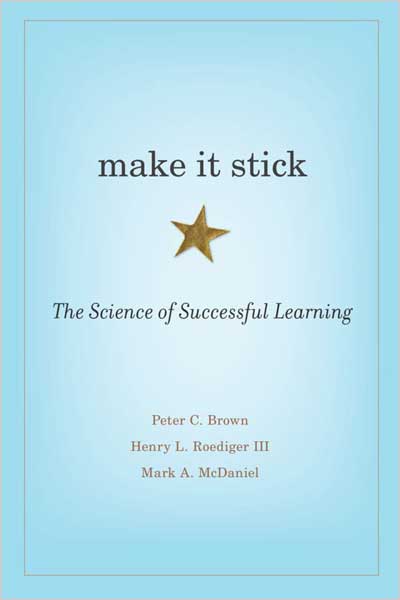
The Science of Successful Learning
Peter C. Brown, Henry L. Roediger III, Mark A. McDaniel
#student
#teacher
#trainer
📚 یادگیری ماندگار – Make It Stick
برای بیشتر ما، «یاد گرفتن از راه سخت» یعنی اتلاف زمان و انرژی. تصور عمومی این است که آموزش خوب باید متناسب با سبکهای یادگیری متفاوت طراحی شود و روشهایی بهکار ببرد که یادگیری را آسانتر کنند. Make It Stick این دیدگاههای رایج را زیر سؤال میبرد. نویسندگان با تکیه بر کشفیات اخیر در روانشناسی شناختی و علوم مرتبط، تکنیکهای عملی برای تبدیل شدن به یادگیرندهای کارآمد ارائه میکنند.
🧠 نقش حافظه در یادگیری
حافظه نقش مرکزی در انجام وظایف پیچیده شناختی دارد؛ از بهکارگیری دانش در موقعیتهای جدید گرفته تا استنتاج از اطلاعات موجود. تحقیقات جدید درباره رمزگذاری، تثبیت و بازیابی حافظه، درک ما از فرآیند یادگیری را ارتقا داده است. مواجهه با چالشها و موانع یادگیری، منجر به تسلط عمیقتر و ماندگاری بیشتر آموختهها میشود.
⚠️ عادتهای مطالعاتی ناکارآمد
روشهایی مانند هایلایت کردن، مرور مکرر، شبامتحانی خواندن و تکرار یکنواخت مهارتها، فقط توهم یادگیری ایجاد میکنند و اثرات آنها سریع از بین میرود. یادگیری عمیق و پایدار از روشهایی مانند آزمونگیری از خود، ایجاد چالش در تمرین، فاصلهگذاری بین مرور مطالب، و ترکیب مهارتها و موضوعات مختلف بهدست میآید.
🎯 مخاطبان و مزایا
کتاب بیش از همه برای دانشآموزان، معلمان، مربیان و ورزشکاران نوشته شده اما برای هر کسی که به یادگیری مادامالعمر و بهبود فردی علاقه دارد مفید است. این اثر با مثالهای واقعی از جراحان، خلبانان، باغبانها و دانشجویان، روشهای مؤثر یادگیری را بهتصویر میکشد.
📖 فهرست فصلها
📚 نقدها و دیدگاهها
هیزل کریستی – نشریه تایمز هایر اجوکیشن
اگر میخواهید کتابی زنده و جذاب درباره علم یادگیری بخوانید، این یک انتخاب ضروری است. Make It Stick با استفاده از داستانهای واقعی افرادی که در دانش و مهارتهای پیچیده به تسلط رسیدهاند، غنیتر شده است. نویسندگان در طول کتاب داستانهای جراحان، خلبانان، باغبانها و دانشجویان را در هم میآمیزند تا توضیح دهند یادگیری موفق چگونه رخ میدهد. این کتاب پرمحتوا و خواندنی، شما را وادار خواهد کرد به فرآیندهایی که خودتان و شاگردانتان از طریق آنها دانش و مهارتهای جدید کسب میکنید، بیندیشید.
جیمز ام. لنگ – کرانیکل آو هایر اجوکیشن
بسیاری از معلمان به استفاده از یافتههای اخیر درباره مغز انسان و چگونگی یادگیری علاقه دارند. Make It Stick بهترین اثر واحدی است که تاکنون در این زمینه دیدهام. هر کسی که به تدریس یا یادگیری علاقه دارد، از این کتاب سود خواهد برد؛ کتابی که علاوه بر ارائه پژوهشهای مستحکم، این کار را به شکلی روان و قابل فهم حتی برای دانشجویان انجام میدهد.
گلن سی. آلتشولر – سایکولوژی تودی
این کتاب که در درجه اول برای دانشآموزان، والدین و معلمان نوشته شده، همچنین توصیههای عملی برای یادگیرندگان در همه سنین و مراحل زندگی ارائه میدهد. با به چالش کشیدن باورهای رایج به شکلی معتبر، Make It Stick مسیر جدیدی را پیش روی شما میگذارد که میتواند منافع واقعی و پایدار به همراه داشته باشد.
استفانی کاستلانـو – مجله تیدی
کتاب توضیحی قانعکننده از اینکه چرا ما به روشهای نادرست یادگیری و تدریس جذب میشویم و چه میتوانیم بکنیم تا رویکردمان را اصلاح کنیم، ارائه میدهد. Make It Stick به زبان ساده علم یادگیری را توضیح میدهد، اما صرفاً پژوهش را بازگو نمیکند؛ بلکه نشان میدهد این دانش در سناریوهای واقعی یادگیری چگونه به کار میرود، با داستانهایی از افراد واقعی در محیطهای آموزشی، حرفهای و ورزشی. راهکارهای یادگیری پیشنهادی در این کتاب بلافاصله، بدون هزینه و با اثرگذاری بالا قابل اجرا هستند.
انی مورفی پال – وبلاگ د بریلیانت
اگر میتوانستم فقط یک کتاب به همه استادان مقطع کارشناسی معرفی کنم، همین بود: Make It Stick: The Science of Successful Learning. این کتاب آنچه را که از علم یادگیری میدانیم، با نثری روشن و قابل دسترس بیان میکند. هر معلم، والد، دانشجو و حرفهای باید آن را در فهرست شخصی خود داشته باشد.
رابرت بیورک – دانشگاه کالیفرنیا، لسآنجلس
این کتاب واقعاً شگفتانگیز است. یافتههای پژوهشی مهم را با پیامدهایی تکاندهنده برای بهبود یادگیری، آموزش و مربیگری بیان میکند. حتی فراتر، نشان میدهد چگونه نگرش مثبت نسبت به تواناییهای خود و تمایل به رویارویی با مسائل سخت، ما را به اهدافمان میرساند. داستانهای قانعکننده کتاب ایدهها را از آزمایشگاه به دنیای واقعی میآورند.
دانیل ال. شاکتر – نویسنده کتاب «هفت گناه حافظه»
یادگیری امری ضروری و مادامالعمر است. با این حال، همانطور که این نویسندگان با قدرت استدلال میکنند، مردم اغلب از روشهای اشتباه استفاده میکنند و به ارزش روشهای مؤثر پی نمیبرند. ما در دهه گذشته درباره بهکارگیری علوم شناختی در یادگیری واقعی بسیار آموختهایم و این کتاب مثالهای روزمره را با توضیحات شفاف از پژوهشها ترکیب میکند. خواندنش آسان است و یادگیری از آن نیز آسان خواهد بود.
دریک بائر – بیزینس اینسایدر
برای کاوش عمیقتر در علم یادگیری، حتماً Make It Stick را تهیه کنید. این کتاب یک مطالعه روشنگر است.
کاترین ای. فریزر – مجله کارنتس این تیچینگ اند لرنینگ
متنی بسیار جذاب و قابل فهم که هم بنیانهای نظری و تجربی یادگیری پایدار را بهخوبی بیان میکند و هم توصیههای مشخص و قابل اجرای فوری به خواننده ارائه میدهد.
👤 درباره نویسندگان
To most of us, learning something "the hard way" implies wasted time and effort. Good teaching, we believe, should be creatively tailored to the different learning styles of students and should use strategies that make learning easier. Make It Stick turns fashionable ideas like these on their head. Drawing on recent discoveries in cognitive psychology and other disciplines, the authors offer concrete techniques for becoming more productive learners.
Memory plays a central role in our ability to carry out complex cognitive tasks, such as applying knowledge to problems never before encountered and drawing inferences from facts already known. New insights into how memory is encoded, consolidated, and later retrieved have led to a better understanding of how we learn. Grappling with the impediments that make learning challenging leads both to more complex mastery and better retention of what was learned.
Many common study habits and practice routines turn out to be counterproductive. Underlining and highlighting, rereading, cramming, and single-minded repetition of new skills create the illusion of mastery, but gains fade quickly. More complex and durable learning come from self-testing, introducing certain difficulties in practice, waiting to re-study new material until a little forgetting has set in, and interleaving the practice of one skill or topic with another. Speaking most urgently to students, teachers, trainers, and athletes, Make It Stick will appeal to all those interested in the challenge of lifelong learning and self-improvement.
Table of Contents
1 Learning Is Misunderstood
2 To Learn, Retrieve
3 Mix Up Your Practice
4 Embrace Diffi culties
5 Avoid Illusions of Knowing
6 Get Beyond Learning Styles
7 Increase Your Abilities
8 Make It Stick
““If you want to read a lively and engaging book on the science of learning, this is a must… Make It Stick benefits greatly from its use of stories about people who have achieved mastery of complex knowledge and skills. Over the course of the book, the authors weave together stories from an array of learners―surgeons, pilots, gardeners, and school and university students―to illustrate their arguments about how successful learning takes place… This is a rich and resonant book and a pleasurable read that will leave you pondering the processes through which you, and your students, acquire new knowledge and skills.”―Hazel Christie, Times Higher Education”―
““Many educators are interested in making use of recent findings about the human brain and how we learn… Make It Stick [is] the single best work I have encountered on the subject. Anyone with an interest in teaching or learning will benefit from reading this book, which not only presents thoroughly grounded research but does so in an eminently readable way that is accessible even to students.”―James M. Lang, Chronicle of Higher Education”―
““Aimed primarily at students, parents, and teachers, Make It Stick also offers practical advice for learners of all ages, at all stages of life… With its credible challenge to conventional wisdom, Make It Stick does point the way forward, with a very real prospect of tangible and enduring benefits.”―Glenn C. Altschuler, Psychology Today”―
““Presents a compelling case for why we are attracted to the wrong strategies for learning and teaching―and what we can do to remedy our approaches… In clear language, Make It Stick explains the science underlying how people learn. But the authors don’t simply recite the research; they show readers how it is applied in real-life learning scenarios, with engaging stories of real people in academic, professional, and sports environments… The learning strategies proposed in this book can be implemented immediately, at no cost, and to great effect… Make It Stick will help you become a much more productive learner.”―Stephanie Castellano, TD Magazine”―
““If I could, I would assign all professors charged with teaching undergraduates one book: Make It Stick: The Science of Successful Learning… It lays out what we know about the science of learning in clear, accessible prose. Every educator―and parent, and student, and professional―ought to have it on their own personal syllabus.”―Annie Murphy Paul, The Brilliant blog”―
““This is a quite remarkable book. It describes important research findings with startling implications for how we can improve our own learning, teaching, and coaching. Even more, it shows us how more positive attitudes toward our own abilities―and the willingness to tackle the hard stuff―enables us to achieve our goals. The compelling stories bring the ideas out of the lab and into the real world.”―Robert Bjork, University of California, Los Angeles”―
““Learning is essential and life-long. Yet as these authors argue convincingly, people often use exactly the wrong strategies and don't appreciate the ones that work. We’ve learned a lot in the last decade about applying cognitive science to real-world learning, and this book combines everyday examples with clear explanations of the research. It’s easy to read―and should be easy to learn from, too!”―Daniel L. Schacter, author of The Seven Sins of Memory”―
““For a deeper dig into the science of learning, make sure to pick up Make It Stick. It’s an illuminating read.”―Drake Baer, Business Insider”―
““A highly engaging and accessible text that neatly provides the reader with both a thorough grounding in the empirical and theoretical work on durable learning, while also offering specific, actionable recommendations for immediate implementation.”―Kathryn E. Frazier, Currents in Teaching and Learning”―
About the Authors
Peter C. Brown is a writer and former management consultant.
Henry L. Roediger III is James S. McDonnell Distinguished University Professor of Psychology at Washington University in St. Louis.
Mark A. McDaniel is Professor of Psychology and Director of the Center for Integrative Research on Cognition, Learning, and Education (CIRCLE) at Washington University in St. Louis.